
PolyCera® will deliver 10 produced water treatment units to CNOOC offshore platforms, using its Titan ultrafiltration membranes and resin adsorption technology to meet discharge standards and support sustainable oil and gas production.

A two-year national initiative with the Recycled Materials Association will provide training, resources, and outreach to help recycling companies improve worker safety and reduce industry hazards.

The new voluntary program connects farms, food providers, and military bases with communities in need, aiming to cut food waste, save families money, and reduce landfill impacts.

The expansion of the Clean Air Act requires all U.S. companies to report air emissions to the EPA starting in 2026. With major changes, new deadlines, and stricter enforcement underway, businesses must prepare now—or risk violations, inquiries, and penalties.
- By Brad Franzen, George Sullivan

The Environmental Protection Agency has resolved 175 refinery exemption petitions dating back to 2016, granting full or partial relief to 140 facilities while reaffirming its policy to balance refinery hardship with renewable fuel mandates.

From LED lighting to reusable pallet racks, these practical strategies help warehouses cut costs, save energy, and lower their environmental impact.

As green marketing faces mounting scrutiny, supply-chain transparency is emerging as a powerful differentiator—exposing hollow claims and rewarding brands with traceable proof of performance.
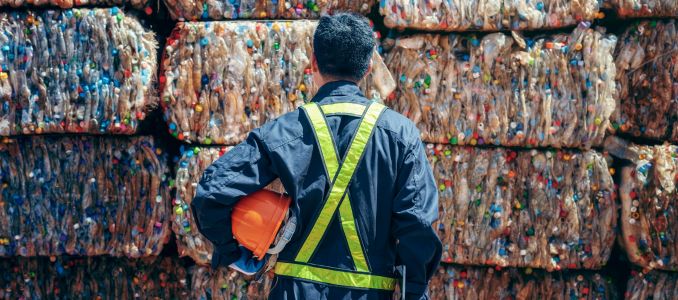
Businesses can reduce waste, save money, and support environmental goals by rethinking how they manage and offload excess inventory.

Carton recycling access in California expands, with new data showing widespread sortation and household availability, supporting the state’s circular economy goals.

Structural updates across EPA divisions aim to improve coordination, modernize operations, and enhance the agency’s ability to deliver clean air, land, and water to all communities.

Following a large lithium-ion battery fire, the EPA has ordered Gateway Energy Storage to manage environmental cleanup and monitoring efforts at its San Diego site.

Outdated equipment may seem harmless, but the power it takes to move, set up, and dispose of old tech can drain energy and budgets fast — unless you plan wisely.
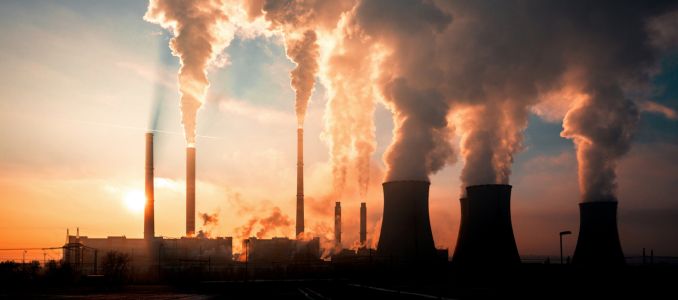
In a move to support domestic energy production and economic growth, the EPA plans to revise compliance timelines and explore new flexibilities under the Steam Electric ELG Rule.

State, federal, and local leaders celebrate the transformation of a former industrial waste site into a 25-acre eco-friendly campground on the Keweenaw Waterway.

From SmartWay-certified carriers to renewable fuels and route optimization, third-party logistics providers are leading the charge in reducing emissions, saving fuel, and shaping a greener, more cost-effective supply chain.

With smoke risks increasing nationwide, officials are equipping households, schools, and workplaces with actionable strategies to safeguard health during wildfire season.

With mounting pressure from clients, regulators, and supply chains, construction firms are turning to sustainable materials not just for compliance—but for competitive edge.

With summer underway, residents across the state are getting crucial updates to help protect their health and reduce harmful emissions during peak ozone months.

Infrastructure upgrades bring clean water and reliability to rural Oregon community.

Shared solar programs are expanding access to renewable energy for renters, businesses, and underserved communities.