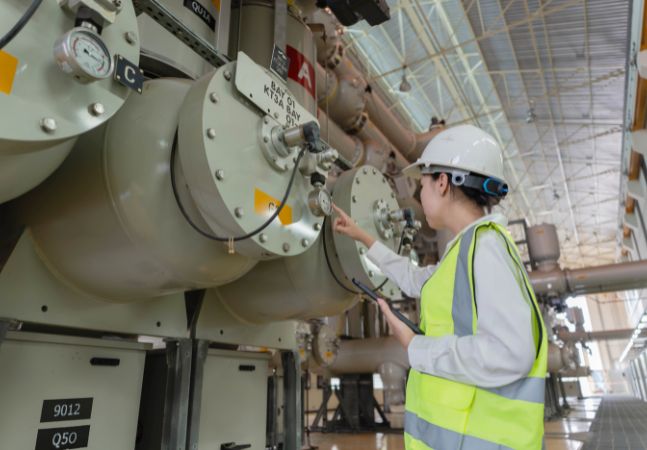
Discover how industrial energy audits uncover hidden inefficiencies, reduce carbon emissions, and save manufacturers up to 30% on utility costs.
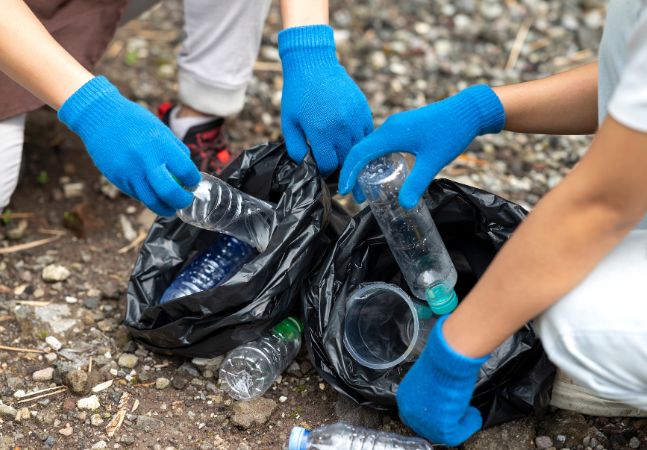
The EPA will now accept feedback through March 19 on a plan to remove contaminated sediment from the 1.5-mile Newark waterway.

The agency is seeking public input on gas, hydrogen, and biofuel options for school fleets while canceling the 2024 rebate funding round.

Temporary storage and warehousing offer convenience, but their hidden environmental costs include high energy use, land consumption, transportation emissions, and packaging waste.
Small shifts in usage can have a big impact.
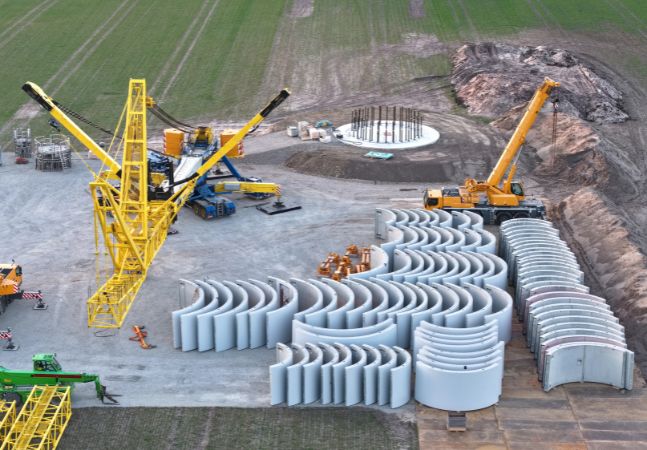
Many building and infrastructure codes still rely on historical climate data, even as storms, heat, and flooding intensify—creating growing risks for communities, economies, and resilience planning.

Differences in water sources, treatment methods, and infrastructure can affect household habits, conservation efforts, and long-term sustainability after a move.
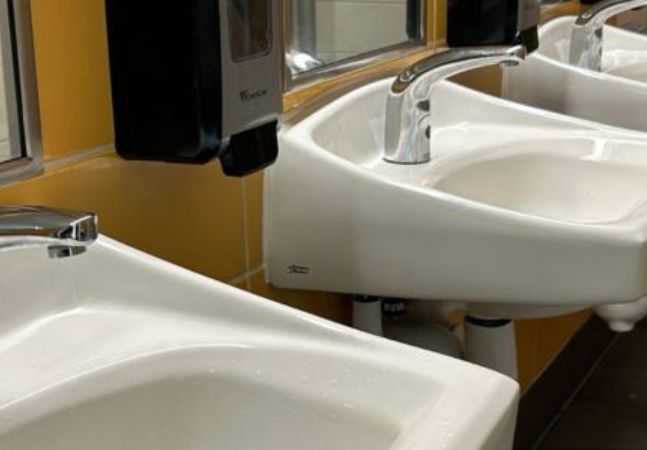
Facilities leaders cite consistency, safety, and sustainability as drivers behind campus-wide plumbing standardization.

A 2025 Siemens study finds energy efficiency has become the leading infrastructure priority for organizations, driven by decarbonization goals, smart building investment and the push toward net-zero buildings.
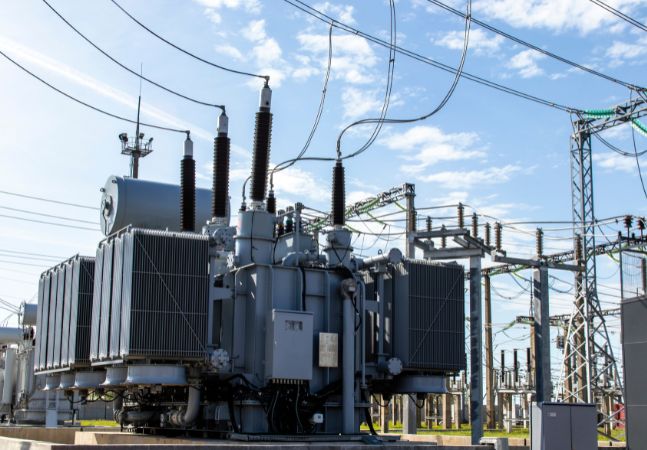
Advances in transformer design, monitoring and materials are helping utilities reduce oil leaks, minimize environmental impact and improve the sustainability of power distribution systems.
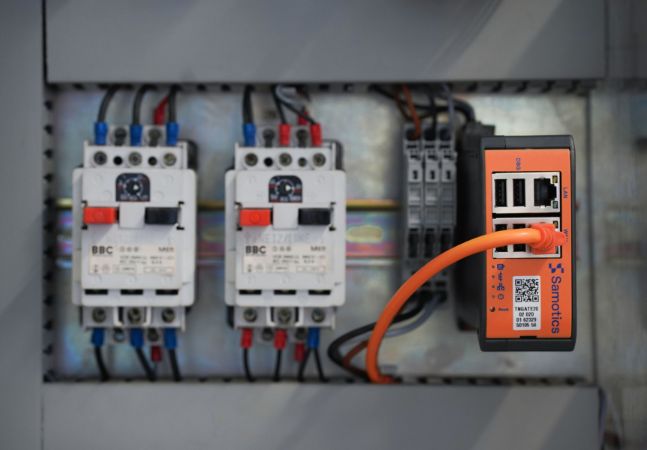
Southern Water has entered a six-year, £7 million partnership with Samotics to roll out AI-driven condition monitoring across critical assets. The SAM4 electrical signature analysis system has already prevented dozens of pump failures, reducing costs, improving reliability, and supporting environmental protection.

Rapidly expanding cities offer opportunity, but growth often brings hidden environmental challenges. Before relocating, evaluate water quality, waste management, air pollution, heat risks, and natural disasters to protect your long-term health and comfort.

Accu, Tandem Ventures and Project Seagrass have developed a towable underwater harvester designed to accelerate global seagrass restoration, using marine-grade fasteners capable of withstanding harsh ocean conditions.
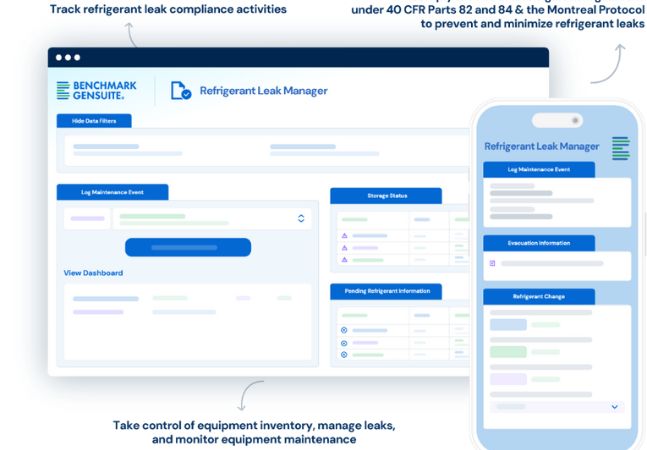
Benchmark Gensuite has expanded its Refrigerant Leak Manager with automated leak-rate thresholds, updated refrigerant libraries, and integrated compliance workflows, positioning facilities for the stricter EPA refrigerant-management requirements taking effect in 2026.
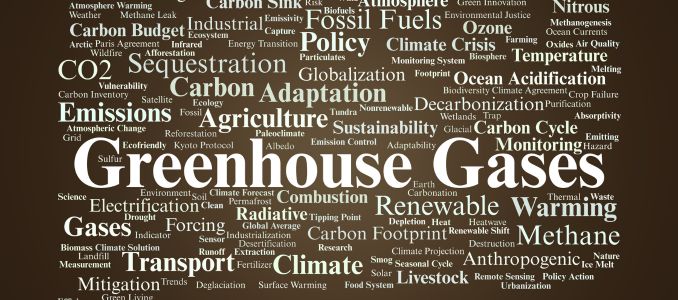
Senators Sheldon Whitehouse and Kevin Cramer are urging the Environmental Protection Agency to withdraw its proposal to end key portions of the Greenhouse Gas Reporting Program, citing risks to environmental transparency, compliance tracking, and workplace safety oversight.
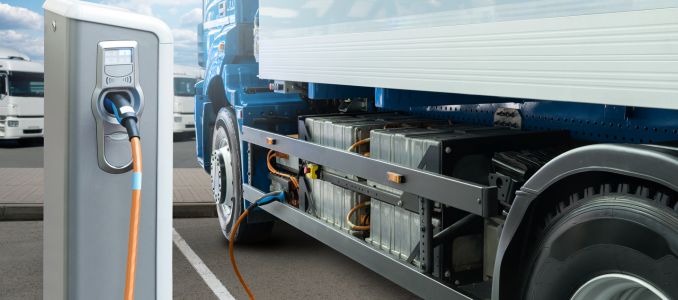
The logistics industry is rapidly transitioning toward electric fleets as sustainability becomes a business imperative. Lower emissions, reduced fuel costs, and data-driven efficiency are redefining how companies move goods and manage long-term growth.
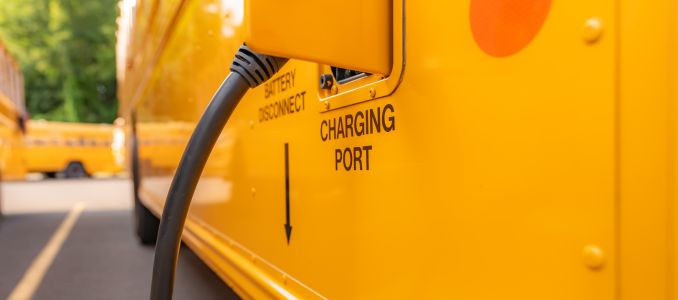
The Michigan Department of Education and EGLE announced new grants supporting 23 school districts with funding for 97 electric and propane buses, pushing the state’s clean-fueled fleet close to 900 vehicles.

EPA Region 3 and the Virginia Department of Agriculture and Consumer Services have signed a landmark agreement to strengthen collaboration on sustainable farming, environmental protection, regulatory programs, and water quality initiatives.

Investments in modern grid technologies are driving decarbonization, protecting natural resources, and strengthening energy resilience against extreme weather.

Major technology companies are reshaping global renewable energy markets by investing billions in clean power, driving innovation, and influencing suppliers to adopt more sustainable practices.