
By automating tedious regulatory data entry and form validation, machine learning allows EHS professionals to escape compliance burnout and return to proactive field conservation.
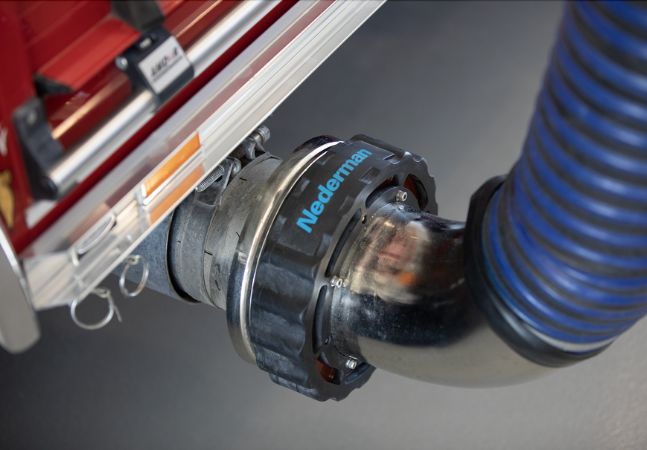
Magna Systems technology targets diesel exhaust at the source to improve fire station air quality and protect firefighters.
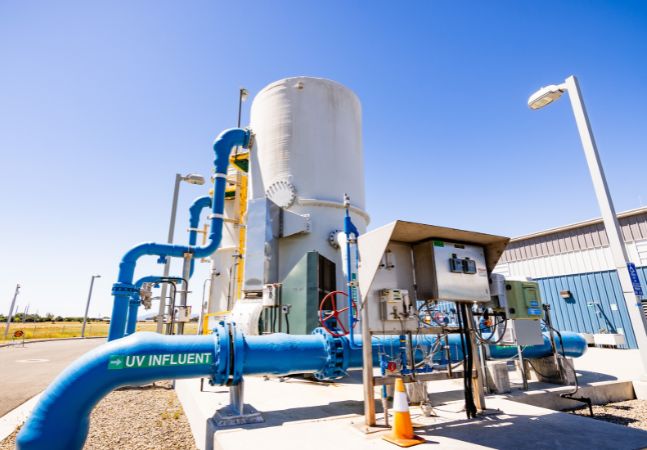
A new national initiative aims to secure water resources for data centers and energy production through expanded industrial reuse partnerships.
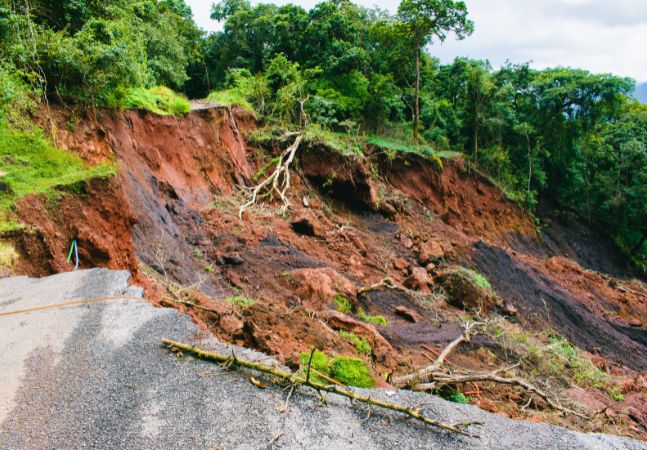
As extreme weather weakens terrain, new engineering and nature-based strategies are emerging to stabilize slopes and secure vital water networks.
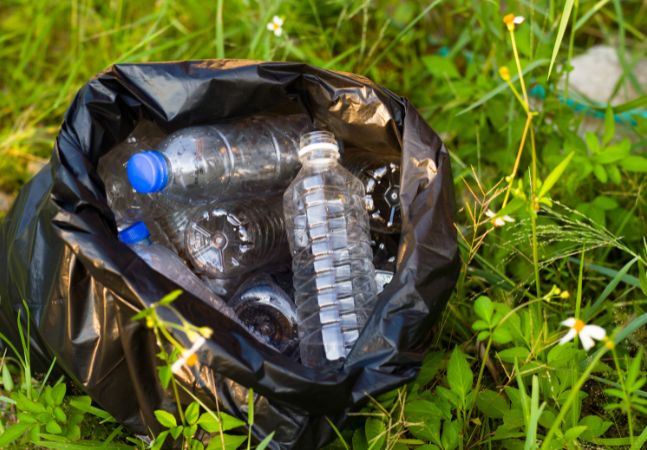
A regional prime contractor received the Making a Difference award for utilizing digital mapping to streamline environmental cleanup efforts.

Changing migration patterns within cities are influencing energy use, environmental impact, and the future of sustainable development.

Researchers are developing a miniaturized monitoring device to identify environmental hazards and ecosystem stress in real time.

New purpose-built hoppers streamline jobsite waste management with forklift-compatible designs and versatile dumping options for various materials.

The agency has revoked its 2009 greenhouse gas endangerment finding, a major shift that could impact Clean Air Act emissions standards and future environmental regulations.
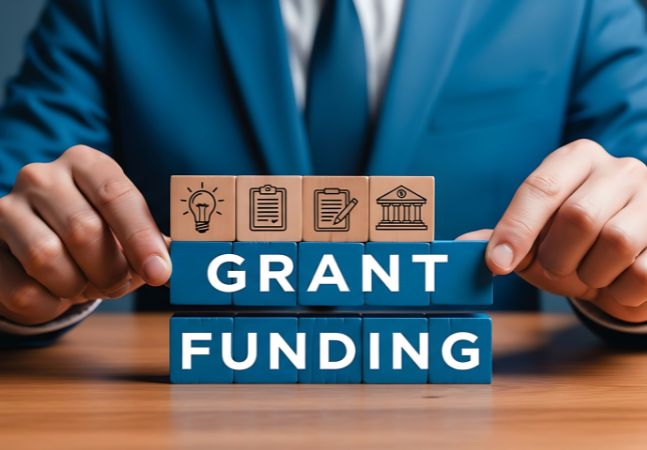
Agency announces up to $3.2 million to support community-based environmental education projects nationwide.
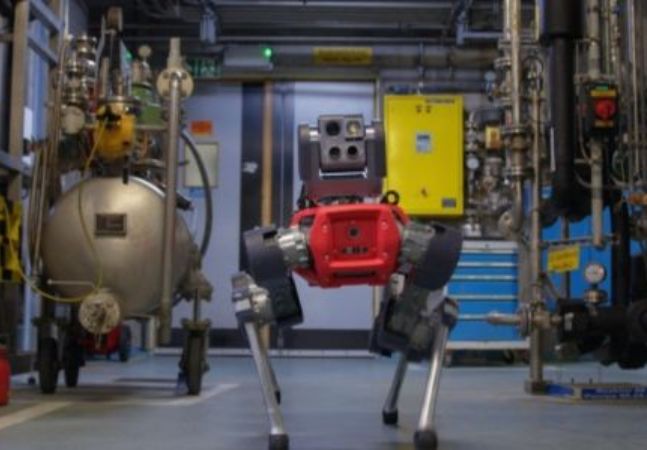
Equinor is using autonomous robotic inspection at its Northern Lights CCS facility to improve CO₂ monitoring and safety.
Award-winning technologies highlight advances in sustainability, compliance, and environmental performance across air, water, waste and safety.
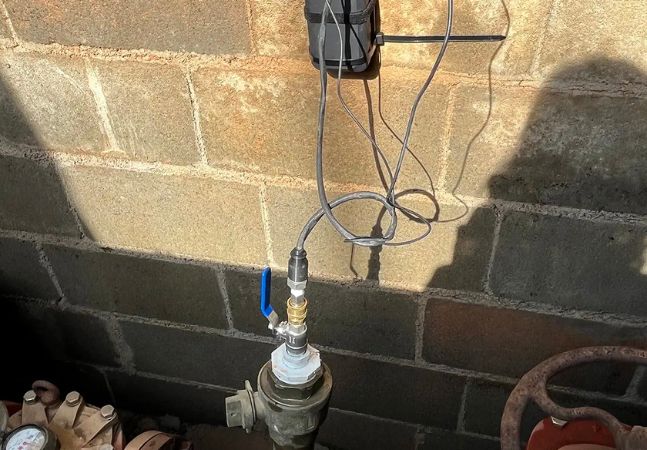
A new pressure-monitoring pilot with Orbis Intelligent Systems is giving Clayton County Water Authority real-time visibility into network performance, helping operators stabilize pressure, prevent service disruptions and prepare for extreme weather.
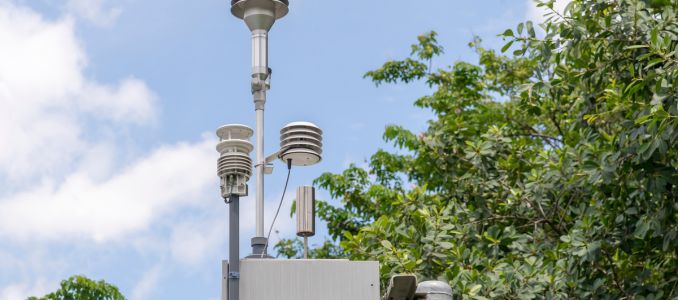
Companies must prepare to meet expanded EPA reporting obligations under the Inflation Reduction Act, with new mandatory documentation, facility-level data, and attestation audits set to begin in 2026.

EPA Administrator Lee Zeldin joined Long Islanders raising alarms about risks from large-scale BESS installations.

In a world racing toward automation, it turns out that good manners come at a price — a steep one.

The EPA will provide small businesses with $2.4 million to support the development of innovative technologies addressing environmental challenges.
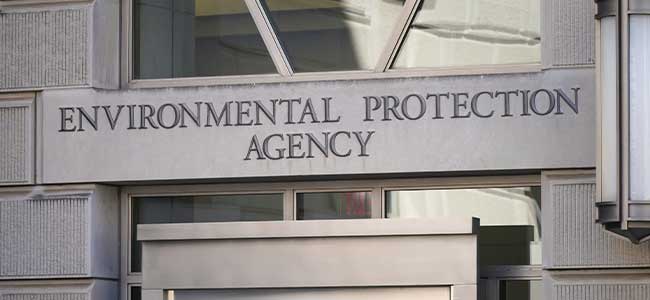
The funding aims to address critical challenges such as PFAS contamination and waste management.

A new adaptive database strategy is necessary to address the challenges of managing vast and varied climate and weather data.

The new platform focuses on streamlining project management for environment professionals.