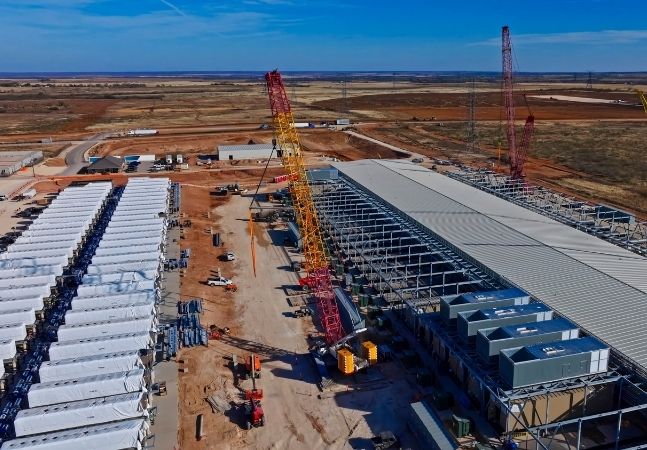
Environmental and health organizations argue a proposed rule allowing industrial polluters to build before securing permits violates the Clean Air Act.
The historic federal agreement requires the chemical manufacturer to install pollution controls and fund clean drinking water in three states.
Delayed public warnings, lack of real-time air monitoring and potential regulatory rollbacks on commercial sterilizers expose urban communities to hazardous ethylene oxide emissions.
Active perimeter tracking protects neighboring communities and shelters developers from severe EPA Clean Air Act fines by mapping dust, noise, and vibration spikes.
The agency’s revised PFAS strategy emphasizes drinking water protections, scientific research, cleanup efforts and enforcement tied to contamination from “forever chemicals.”
A draft plan weakens federal requirements for treating toxic leachate seeping from coal ash dumps into US waterways.
New research reveals that particulate matter from coal-fired plants acts as a "hidden drag" by blocking sunlight from reaching solar panels.
The federal guidance outlines current approaches to managing PFAS waste, highlighting disposal challenges, evolving treatment technologies and the need to minimize environmental releases.
Federal officials launch PFAS OUT to provide technical support and funding for water systems facing contamination challenges.
Move beyond quick fixes. Discover why modern environmental strategy requires decades of planning, sustainable funding and adaptive management.