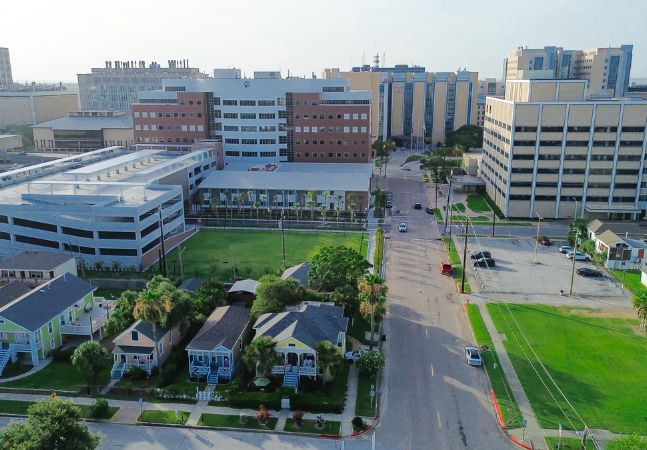
Changing migration patterns within cities are influencing energy use, environmental impact, and the future of sustainable development.
As hybrid work leaves desks empty, businesses must rethink the "environmental afterlife" of their office space to prevent a waste crisis.
Public garden recognized by the American Horticultural Society for leadership in green design and climate action programs.
Many building and infrastructure codes still rely on historical climate data, even as storms, heat, and flooding intensify—creating growing risks for communities, economies, and resilience planning.
A 2025 Siemens study finds energy efficiency has become the leading infrastructure priority for organizations, driven by decarbonization goals, smart building investment and the push toward net-zero buildings.
Rapidly expanding cities offer opportunity, but growth often brings hidden environmental challenges. Before relocating, evaluate water quality, waste management, air pollution, heat risks, and natural disasters to protect your long-term health and comfort.
Smart renovations help businesses cut costs, boost comfort, and build a greener future—one upgrade at a time.
Innovative technologies are playing a crucial role in transforming environmental protection and sustainability efforts.
There are many types of technology, like sustainable transportation technology and blockchain technology, that can be used to improve our planet.
By adopting technology in construction projects, we can help the industry become greener.