
Researchers from McGill University have found that the salt in the ocean’s surface has been steadily reducing since the 1950’s, which prevents the warmer waters underneath from mixing and cooling back down as it should.
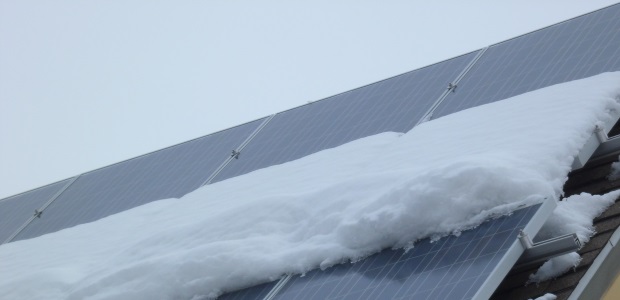
As long as the sun is shining, a solar electric system will continue to produce electricity. Unfortunately, winter conditions can also cause potential problems for solar power.
- By Ryan McNeill
- March 06, 2014
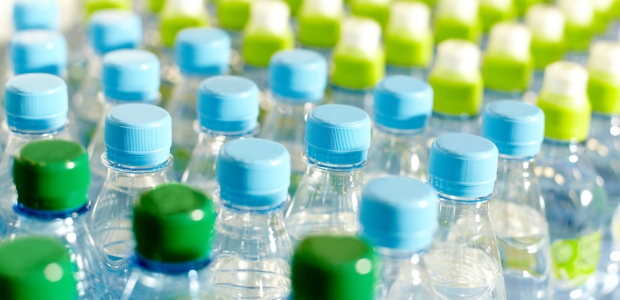
Six categories of plastic packaging have been found to reduce energy use and emissions in a new study.
The oil and gas industry's trade association claims the new rule will hike costs and increase CO2 emissions at U.S. refineries.

Marking World Wildlife Day, INTERPOL's Environmental Security Sub-directorate will present a summary of two law enforcement reports on wildlife crime.
Thirteen employees of DOE's Waste Isolation Pilot Plant near Carlsbad, N.M., were notified Feb. 26 that they have tested positive for radiological contamination after being exposed on Feb. 14.
The EPA announced it will be using Clean Water Act authority to assess permanently prohibiting or restricting mine waste disposal into Alaska’s Bristol Bay watershed. This decision puts on hold attempts to build the Pebble Mine, which would be North America’s largest open pit gold-copper mine.

The settlement of a lawsuit filed against EPA by community groups in Texas and Louisiana requires EPA to take action by the end of 2014 to review outdated formulas and require more accurate reporting of toxic emissions from U.S. refineries and chemical plants.
A leading asset management provider breathes new life into furniture and fixtures at University of Wisconsin-Stout while reducing cost, downtime and environmental impact.
New watershed improvement and protection projects in Tennessee will receive more than $600,000 in funding beginning in August.

Based in Quebec, the company is the first Canadian manufacturer to join the EPA program that encourages food retailers to reduce refrigerant emissions.
Now that "an electric revolution has begun in Bhutan," the company's CEO, Carlos Ghosn, said Feb. 21, "I feel good about supporting this."
The company announced the signing with the British government moves the Peterhead Carbon Capture and Storage project to the next phase of design.

After much debate on the safety of shipping oil by train, federal regulators have created a list of voluntary measures transporters can use to help reduce the risks of accidents occurring on rail shipments.
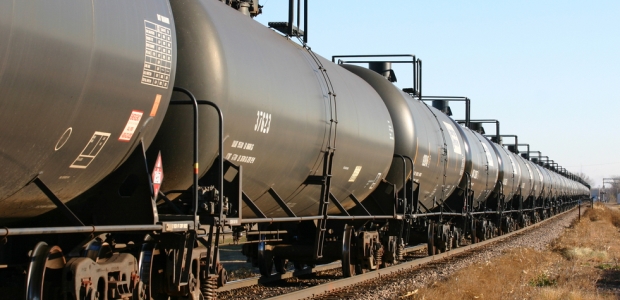
Although accidents are rare, transporting crude oil and natural gas poses major risks for human habitation areas and water bodies, regardless of how they are moved.
- By Douglas C. Toland
- February 24, 2014