
Michigan EGLE is accepting applications for 2026 MiCorps grants supporting volunteer stream cleanup and water quality monitoring across the state.

Proposed updates under the Clean Air Act would affect how state air quality plans addressing ozone pollution are reviewed and implemented.
The agency will significantly reduce mammalian animal testing in chemical safety evaluations and expand the use of alternative scientific methods.

The open-access resource outlines how utilities, regulators, and funders support innovation—offering lessons for U.S. water systems.
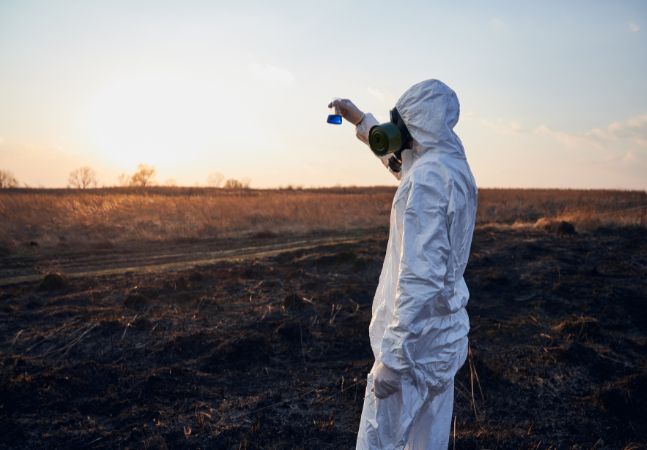
EPA will collect soil samples in Los Angeles fire-affected areas to confirm cleanup effectiveness, focusing on lead contamination, with results expected by spring 2026.

Equinor is using autonomous robotic inspection at its Northern Lights CCS facility to improve CO₂ monitoring and safety.
State officials urge residents to test homes during winter heating season, when indoor radon levels are typically highest.
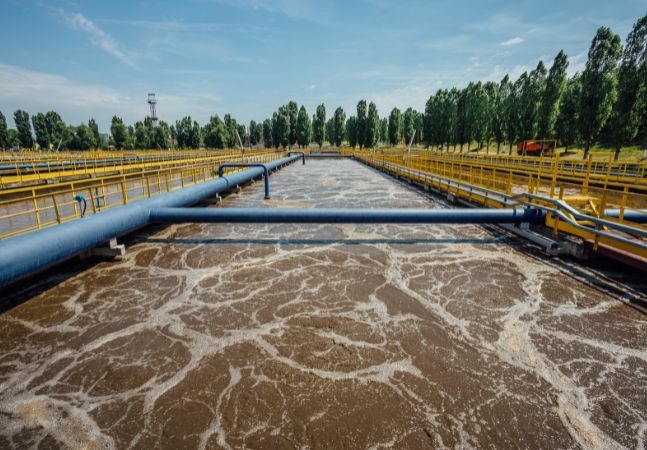
The agency’s five-year delay of stricter wastewater standards for coal-fired power plants will allow ongoing releases of arsenic, mercury and other pollutants into U.S. waterways that supply drinking water.
A new audit highlights weaknesses in monitoring and documentation practices tied to large federal environmental grants, underscoring the importance of accountability as funding programs expand.

New Responsible Care performance data from the American Chemistry Council shows measurable reductions in emissions and energy intensity, highlighting continued progress in safety, transparency, and environmental stewardship across the U.S. chemical industry.

New bilateral agreement outlines infrastructure, monitoring, and planning steps to reduce cross-border wastewater impacts.
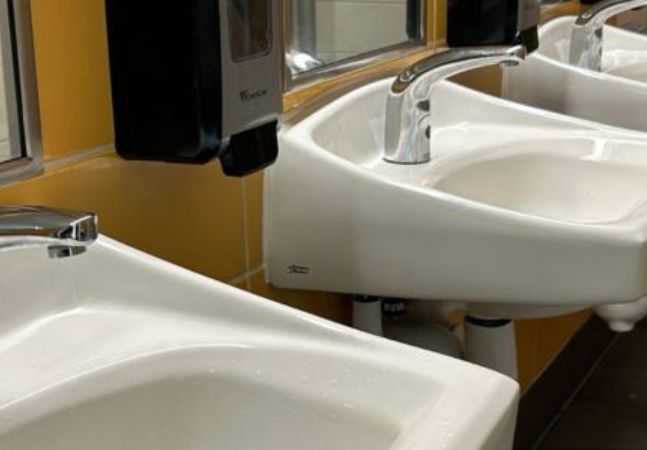
Facilities leaders cite consistency, safety, and sustainability as drivers behind campus-wide plumbing standardization.

A 2025 Siemens study finds energy efficiency has become the leading infrastructure priority for organizations, driven by decarbonization goals, smart building investment and the push toward net-zero buildings.
Regulators and law-enforcement partners are urging operators of water systems, treatment plants and other critical environmental services to strengthen cyber defenses and report suspicious activity following the indictment and extradition of a foreign national tied to a Russia-linked cyber scheme.

Southern Water has entered a six-year, £7 million partnership with Samotics to roll out AI-driven condition monitoring across critical assets. The SAM4 electrical signature analysis system has already prevented dozens of pump failures, reducing costs, improving reliability, and supporting environmental protection.

A custom-designed WCSEE HiPAF system is helping an Oxfordshire reptile zoo manage fluctuating wastewater loads from animal habitats and visitor facilities while meeting strict environmental discharge standards.

Federal inspectors say El Super and Smart & Final stores sold unregistered disinfectant products containing hazardous ingredients, leading to a $472,369 settlement and the removal of all affected products from store shelves.

Accu, Tandem Ventures and Project Seagrass have developed a towable underwater harvester designed to accelerate global seagrass restoration, using marine-grade fasteners capable of withstanding harsh ocean conditions.
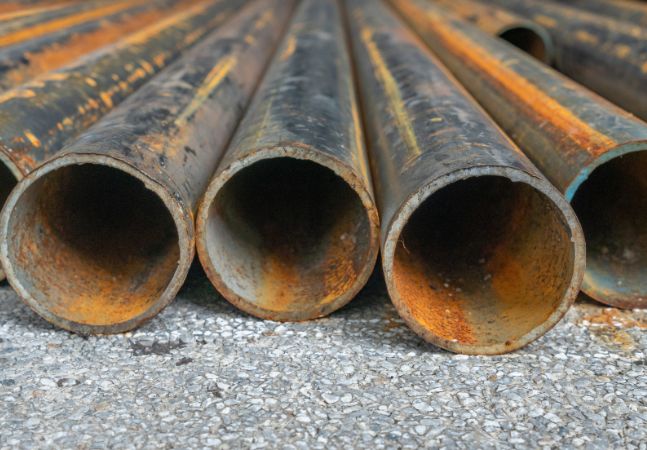
The EPA is directing new federal investments, updated lead service line data, and a national inventory dashboard to help states replace lead pipes faster, strengthen accountability, and protect children from lead contamination.
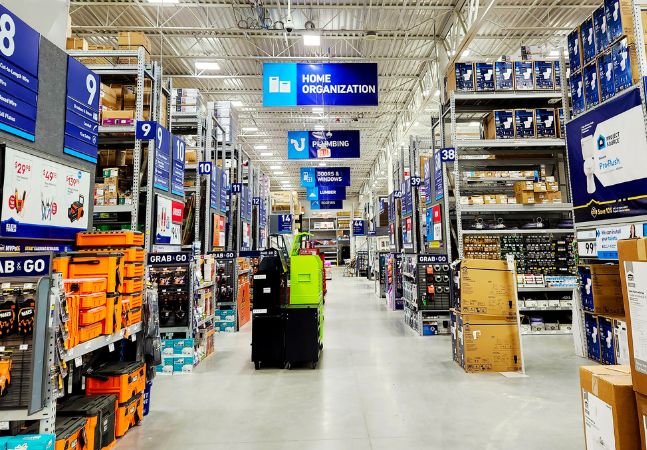
Federal regulators issue a penalty after uncovering widespread renovation violations, failures to follow lead-safe practices, and serious risks to families in older homes.