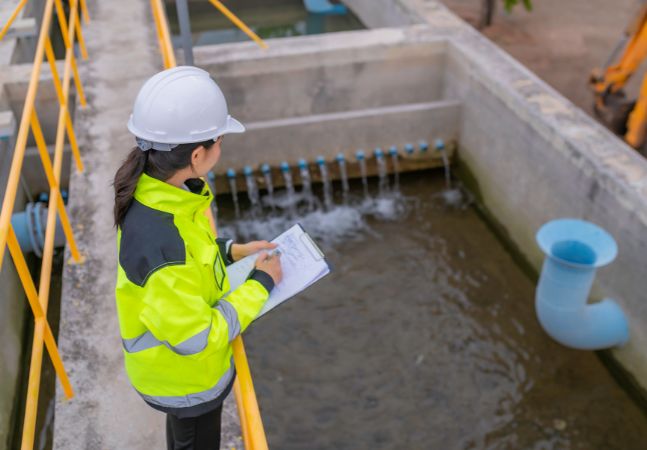
A long-term monitoring program reveals that source control and regulatory bans are more effective than expensive treatment upgrades.

The new CDPHE tool provides a transparent look at how three years of grant funding have addressed pollution and climate change statewide.
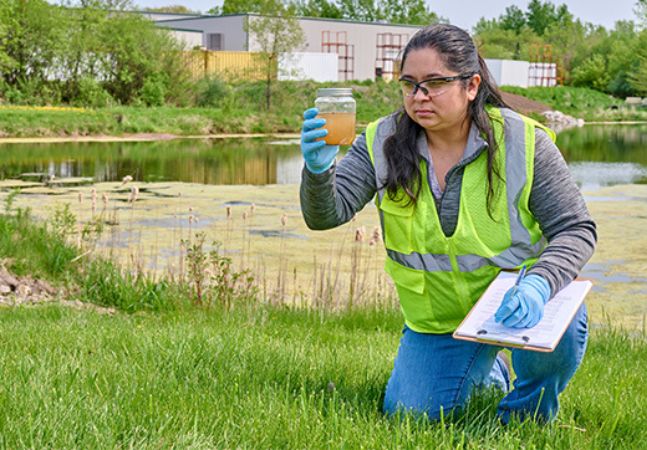
J. J. Keller has introduced new software tools designed to help EHS professionals track environmental regulations, manage reporting requirements and streamline compliance programs.
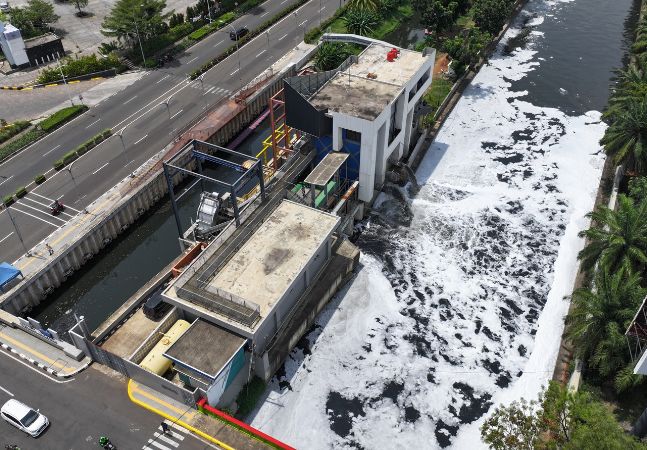
The EPA initiative will provide technical assistance and support to help drinking water and wastewater systems improve infrastructure and maintain safe, reliable water services.

Researchers and students gather to develop resilience strategies and community-driven solutions for frontline environmental challenges.

New state grants will fund student-led water stewardship projects and provide transportation for K-12 field trips to Michigan’s Great Lakes and inland waterways.
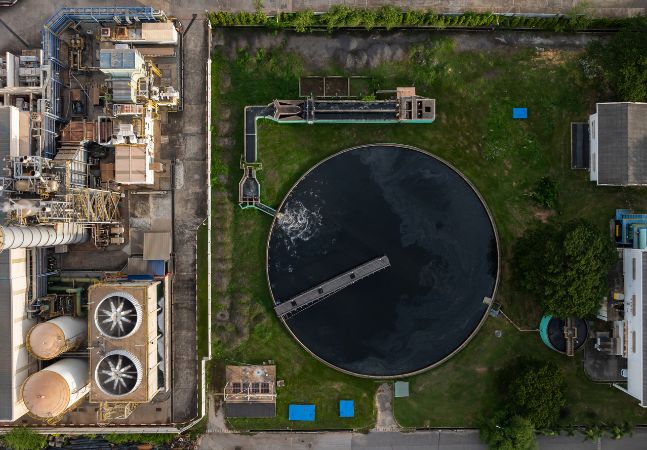
While the site hits record milestones in waste reduction, a new federal audit reveals a $75 billion cost surge across the broader DOE complex.
New adhesive technology enables high-speed production of recyclable paper structures for heat-sensitive snacks and confectionery.

Facilities must now track and disclose PFHxS-Na releases, bringing the total number of tracked PFAS substances to 206.
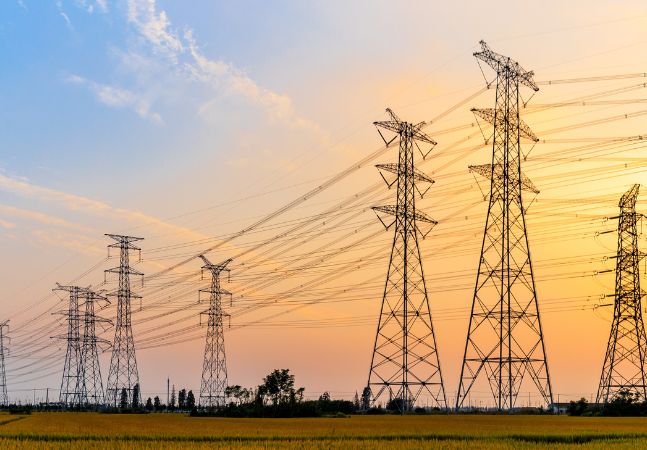
The agency clarifies that states should consider energy impacts and power grid stability when drafting air quality plans for coal plants.
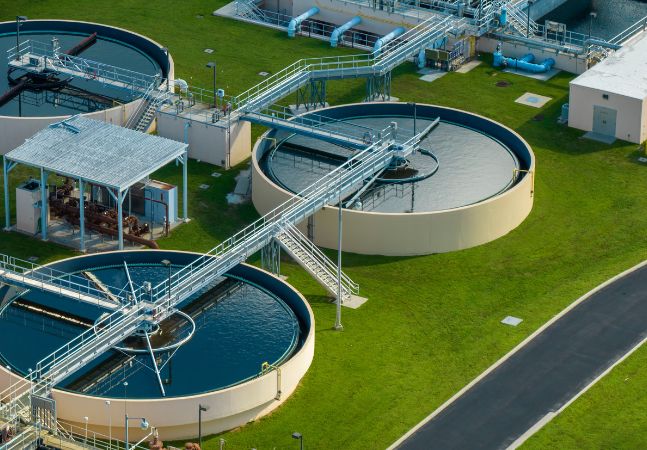
Amy Van Blarcom-Lackey toured Pennsylvania’s Wyoming Valley to review brownfield reclamation and water infrastructure.
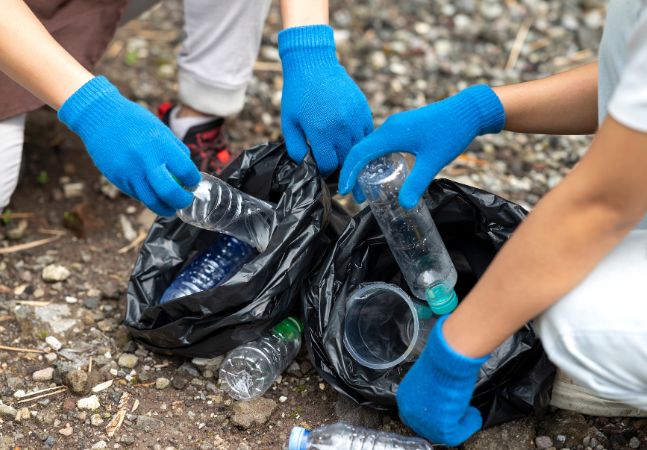
The EPA will now accept feedback through March 19 on a plan to remove contaminated sediment from the 1.5-mile Newark waterway.

The agency is seeking public input on gas, hydrogen, and biofuel options for school fleets while canceling the 2024 rebate funding round.
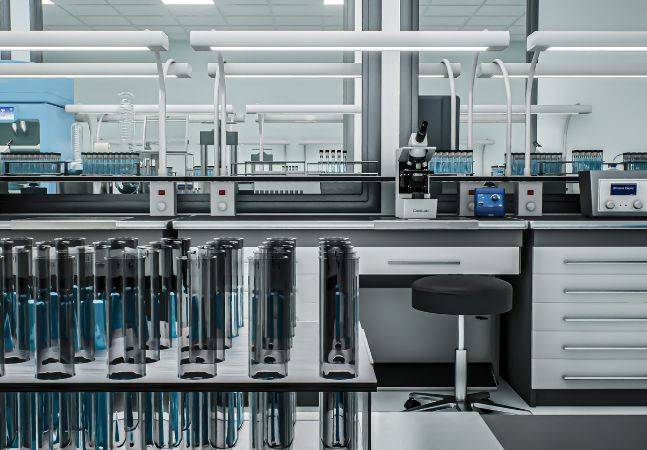
Thrive Buildings has launched ThriveIQ, a managed services platform using FDD and an independent data layer to sustain optimization in critical environments.
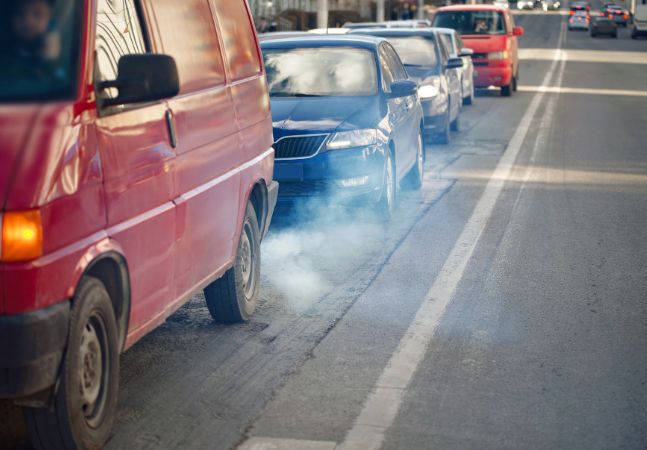
Colorado officials said the state will continue pursuing clean transportation and air quality initiatives as it reviews a federal rollback affecting greenhouse gas emissions standards for cars and trucks.
The agency has revoked its 2009 greenhouse gas endangerment finding, a major shift that could impact Clean Air Act emissions standards and future environmental regulations.
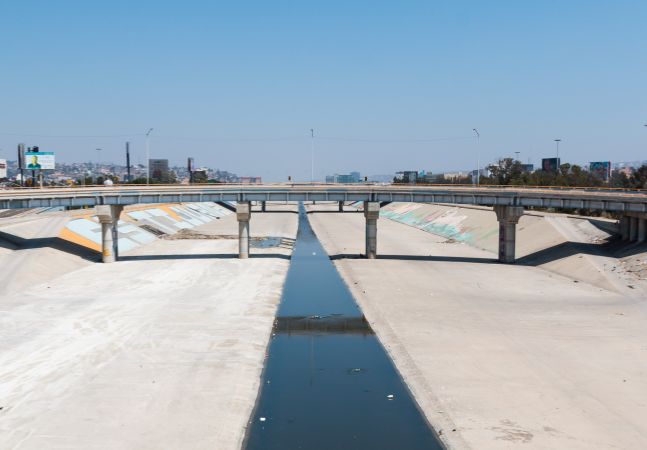
Administrator Lee Zeldin returned to San Diego to highlight progress on a long-term, cross-border plan aimed at stopping sewage flows and reducing environmental and public health impacts.
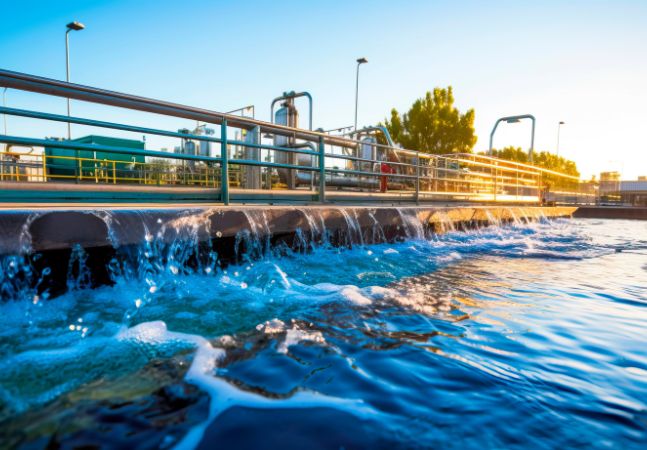
EPA Region 1 recognized seven wastewater treatment facilities and professionals across New England for excellence in operations, training, and industrial pretreatment programs.
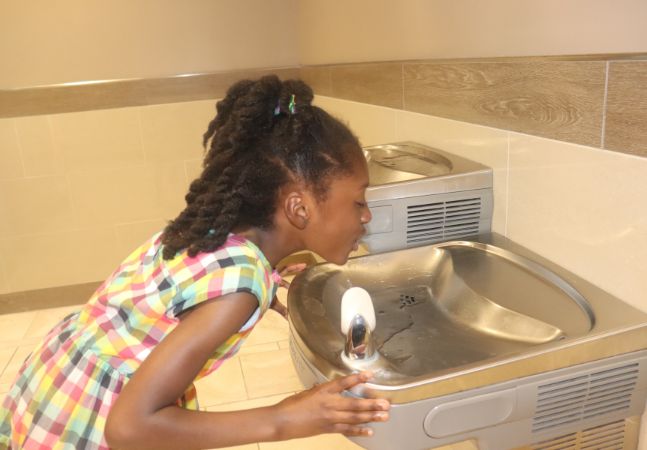
Colorado’s Test and Fix Water for Kids Program has tested more than 62,000 drinking water fixtures at schools and child care facilities to reduce lead exposure.
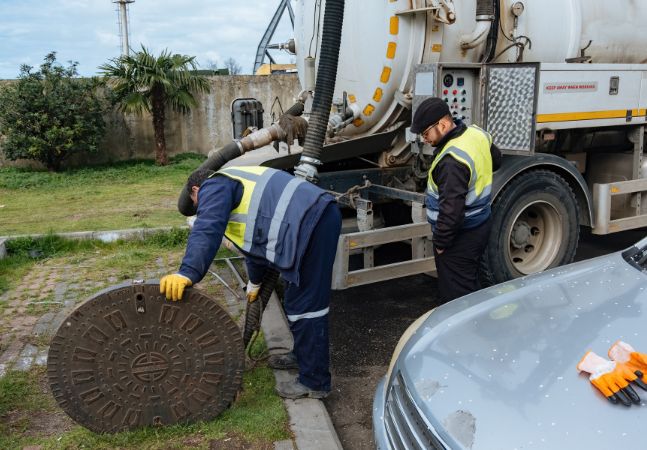
The transaction expands EnviroVac’s environmental and industrial services capabilities while strengthening the company’s national footprint.