
Researchers are developing a miniaturized monitoring device to identify environmental hazards and ecosystem stress in real time.
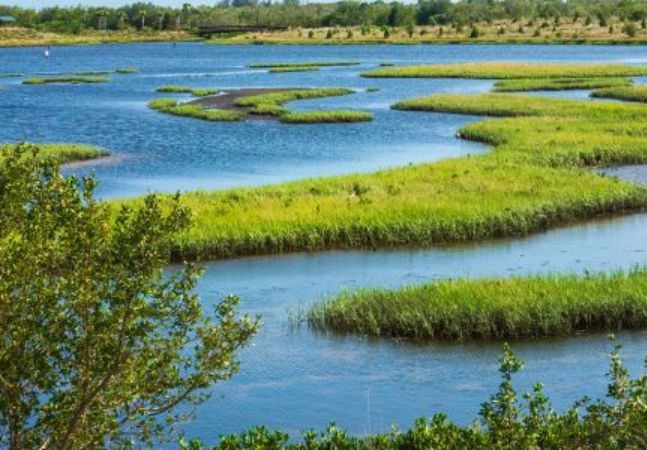
Federal funding will support upgrades to Florida’s drinking water, wastewater and stormwater systems, strengthening resilience and improving reliability amid growing climate risks.
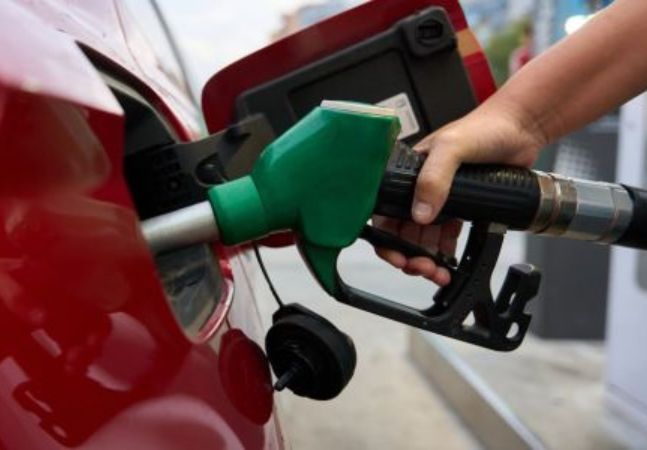
A EPA fuel waiver expands access to E15 gasoline ahead of summer, aiming to boost supply and provide relief at the pump.
Context Labs launches OpenEPA to transform a decade of greenhouse gas reporting into a searchable and verifiable intelligence layer.
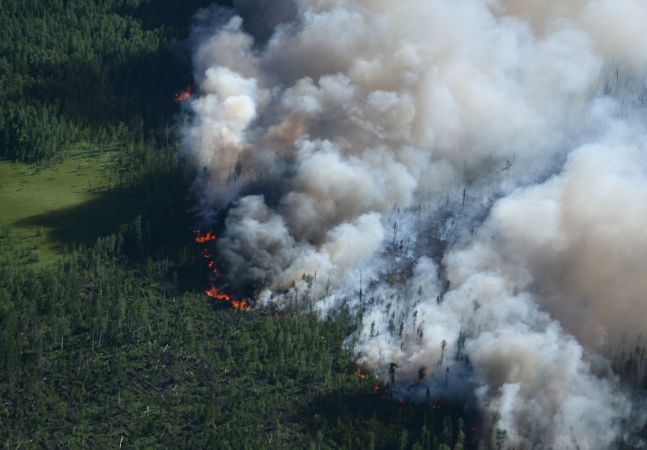
New IQAir report reveals only 14 percent of cities meet WHO standards while climate change and monitoring gaps threaten public health.
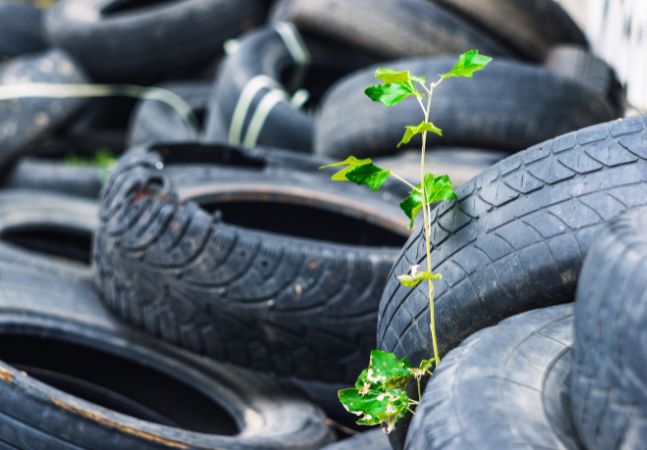
The EPA plans to reclassify scrap tires as fuel to accelerate the removal of waste piles from American communities.
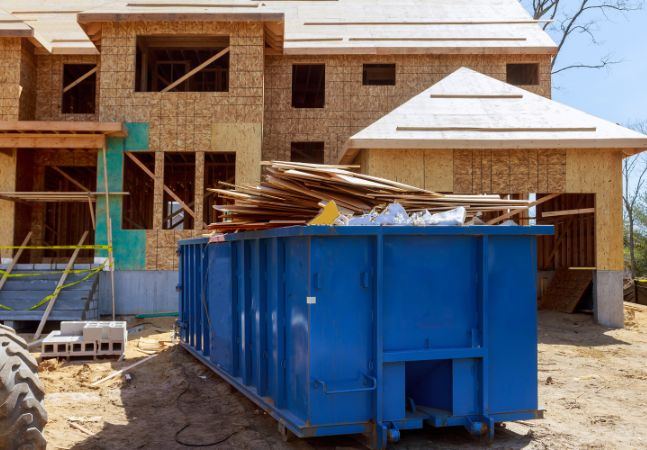
New purpose-built hoppers streamline jobsite waste management with forklift-compatible designs and versatile dumping options for various materials.
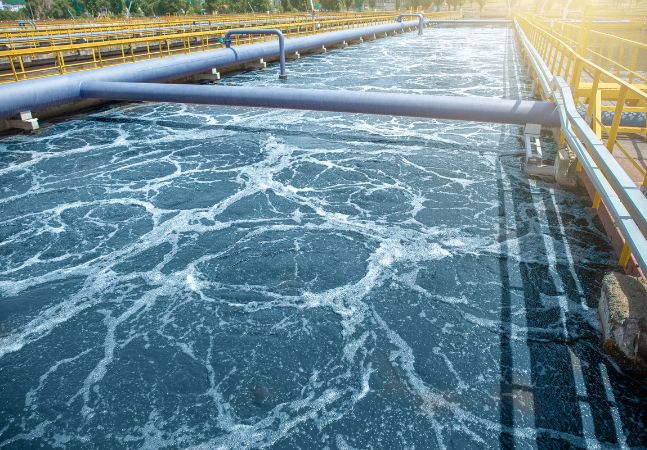
Proposed changes to Clean Water Act Section 401 aim to clarify requirements, reduce delays, and improve consistency in water quality certification for infrastructure and industrial projects.
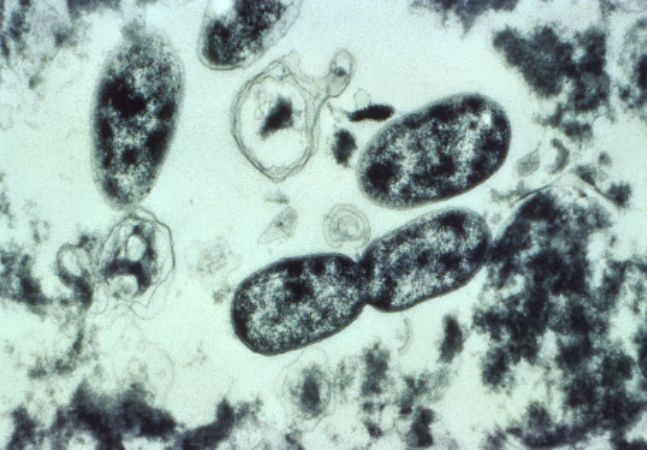
New regulations require cruise ships at U.S. ports to implement stricter water monitoring and pathogen control protocols.
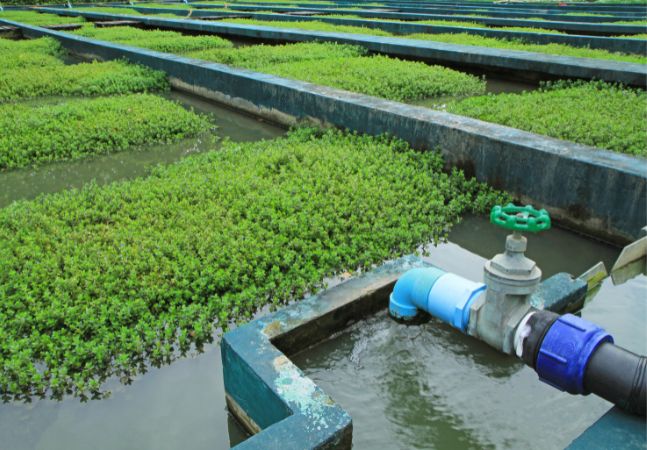
State board approves financing and grants to replace lead service lines, treat contaminants, and modernize aging sewer systems across New York.

Public garden recognized by the American Horticultural Society for leadership in green design and climate action programs.
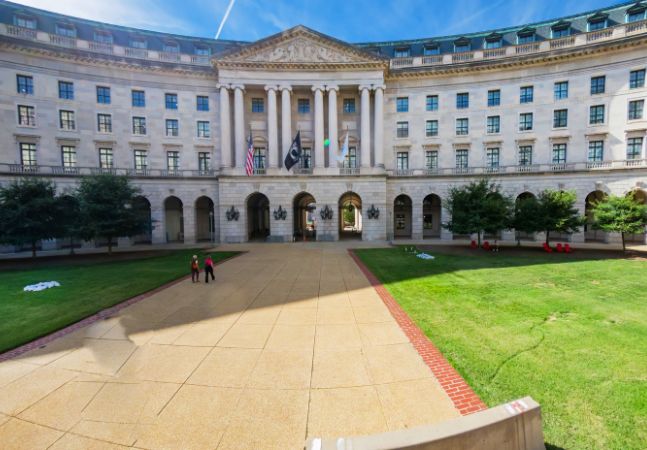
Seven technical experts will provide scientific guidance to the agency on national air quality standards through 2028.
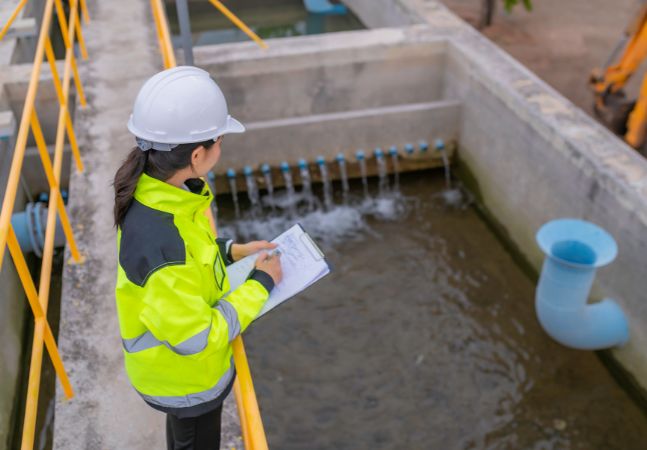
A long-term monitoring program reveals that source control and regulatory bans are more effective than expensive treatment upgrades.

The new CDPHE tool provides a transparent look at how three years of grant funding have addressed pollution and climate change statewide.
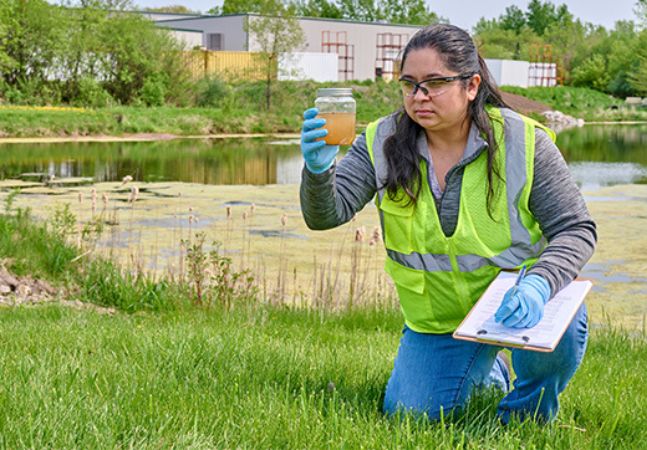
J. J. Keller has introduced new software tools designed to help EHS professionals track environmental regulations, manage reporting requirements and streamline compliance programs.
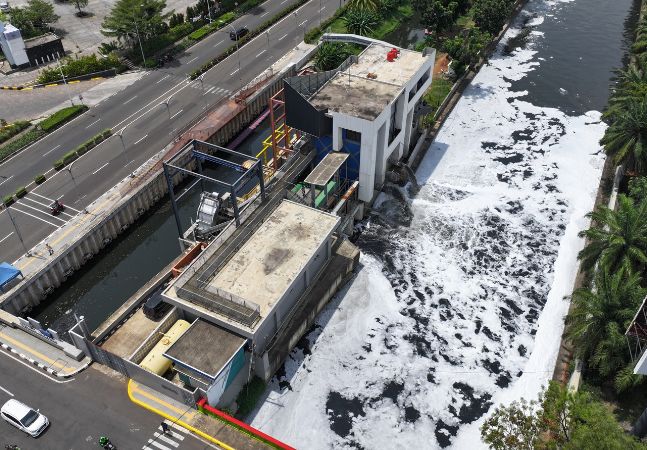
The EPA initiative will provide technical assistance and support to help drinking water and wastewater systems improve infrastructure and maintain safe, reliable water services.

Researchers and students gather to develop resilience strategies and community-driven solutions for frontline environmental challenges.

New state grants will fund student-led water stewardship projects and provide transportation for K-12 field trips to Michigan’s Great Lakes and inland waterways.
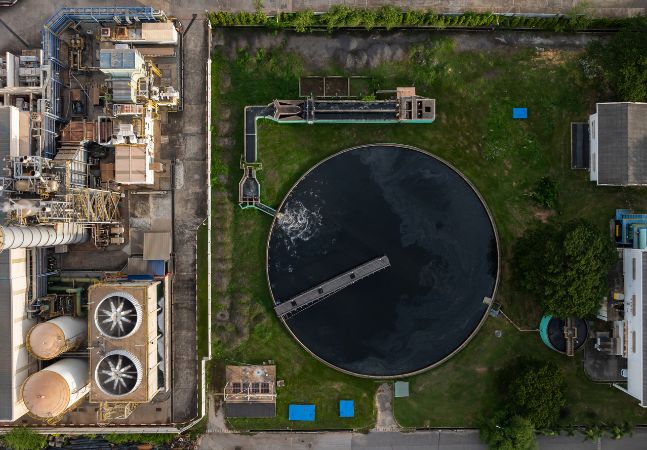
While the site hits record milestones in waste reduction, a new federal audit reveals a $75 billion cost surge across the broader DOE complex.
New adhesive technology enables high-speed production of recyclable paper structures for heat-sensitive snacks and confectionery.