
New initiative provides resources to schools and government leaders to highlight the environmental impact of U.S. population growth.
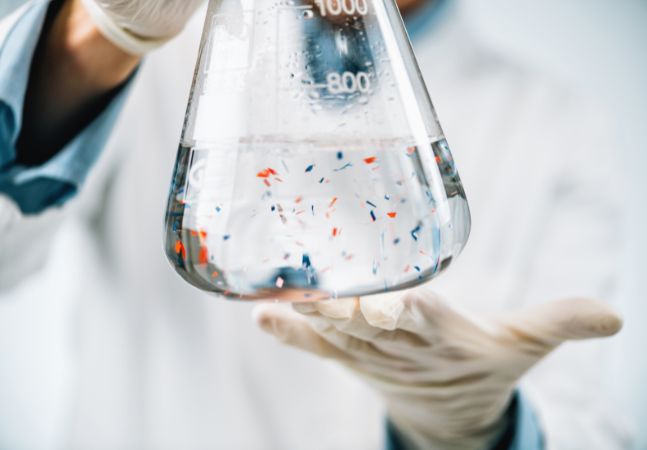
The draft Sixth Contaminant Candidate List marks a historic expansion of the agency’s priorities for monitoring unregulated drinking water threats.
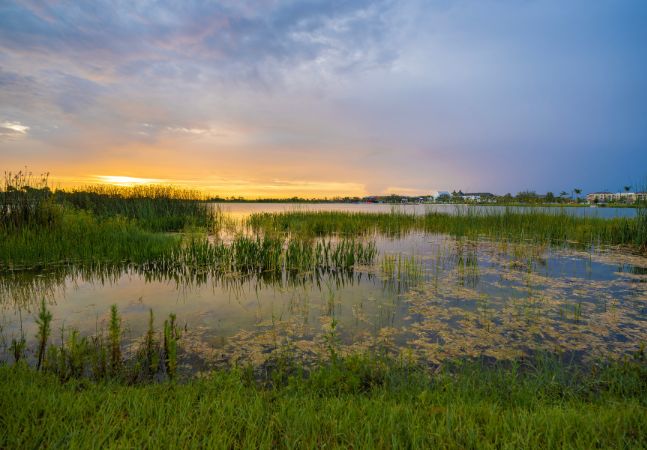
The annual awards recognize individuals and organizations making significant strides in North American habitat restoration and waterfowl protection.

High schoolers participated in the annual EcoThink program to brainstorm environmental mitigation strategies and explore STEM careers.
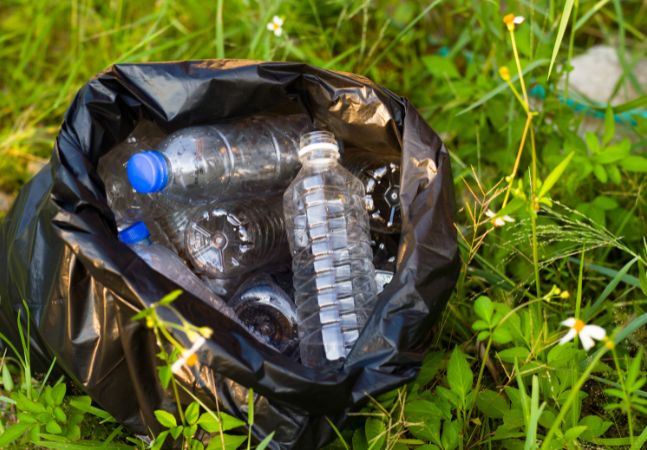
A regional prime contractor received the Making a Difference award for utilizing digital mapping to streamline environmental cleanup efforts.
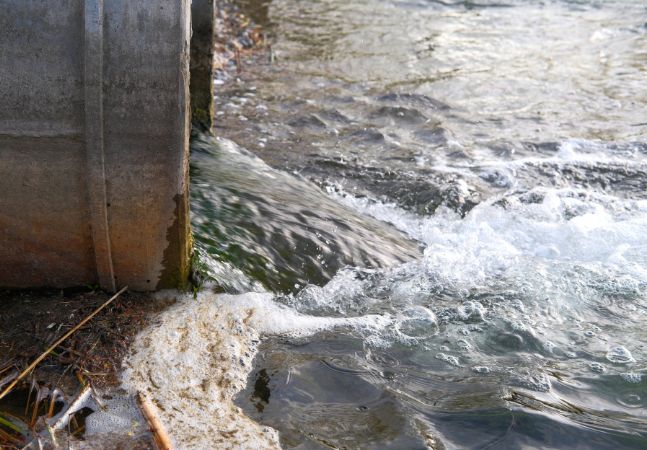
The trial in Pennsylvania demonstrates performic acid as a sustainable and efficient alternative to traditional chemical disinfection.

New acquisitions of Haz-Mat and Canco bolster industrial waste treatment and disposal capabilities across the Carolinas.
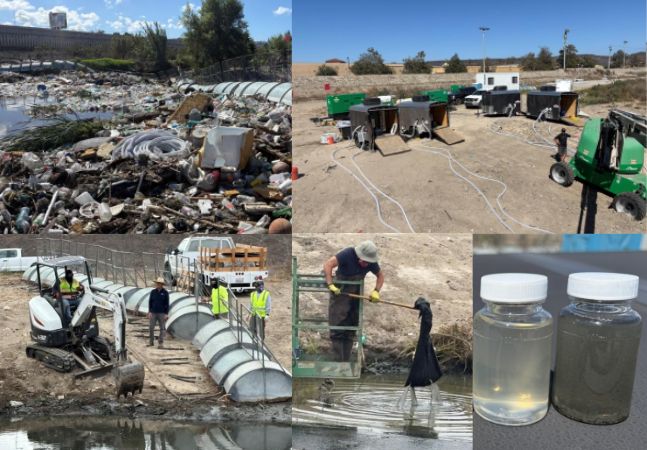
A pilot study using nano-bubble ozone infusion significantly outperformed expectations by reducing coliform bacteria by over 90%.

Researchers are developing a miniaturized monitoring device to identify environmental hazards and ecosystem stress in real time.
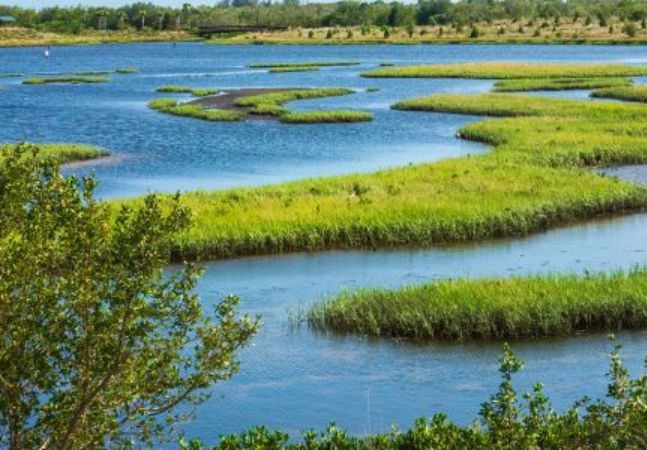
Federal funding will support upgrades to Florida’s drinking water, wastewater and stormwater systems, strengthening resilience and improving reliability amid growing climate risks.

A EPA fuel waiver expands access to E15 gasoline ahead of summer, aiming to boost supply and provide relief at the pump.
Context Labs launches OpenEPA to transform a decade of greenhouse gas reporting into a searchable and verifiable intelligence layer.
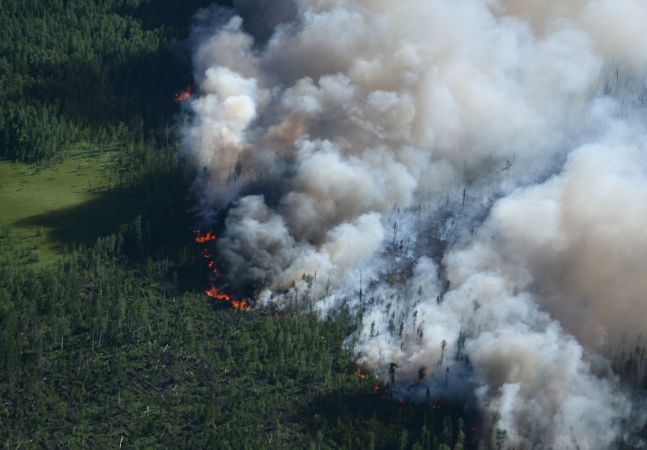
New IQAir report reveals only 14 percent of cities meet WHO standards while climate change and monitoring gaps threaten public health.
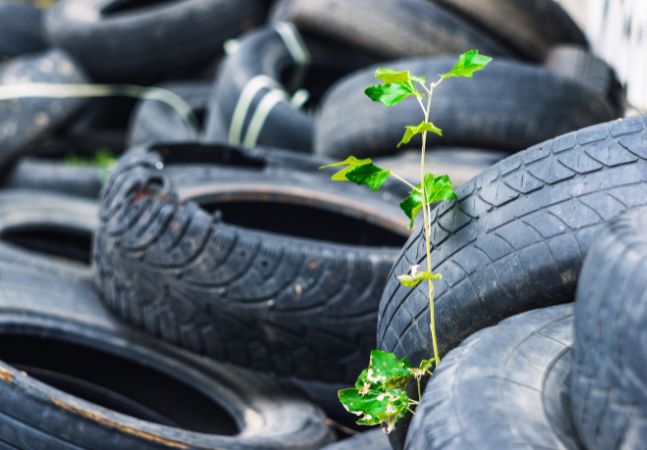
The EPA plans to reclassify scrap tires as fuel to accelerate the removal of waste piles from American communities.
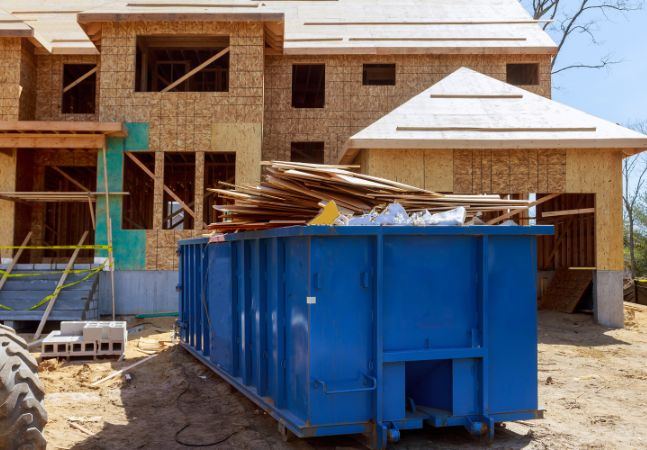
New purpose-built hoppers streamline jobsite waste management with forklift-compatible designs and versatile dumping options for various materials.
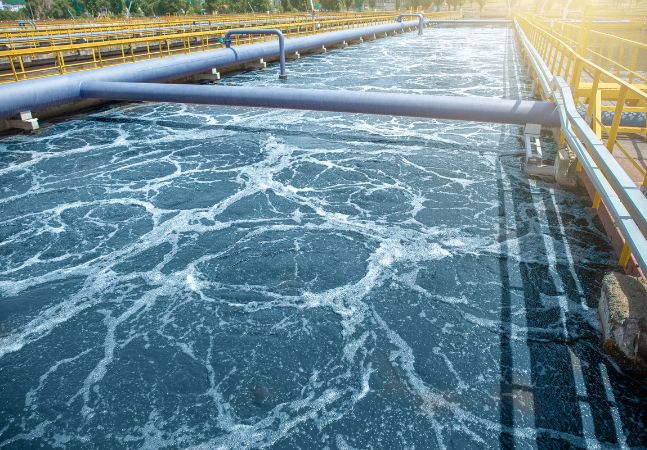
Proposed changes to Clean Water Act Section 401 aim to clarify requirements, reduce delays, and improve consistency in water quality certification for infrastructure and industrial projects.
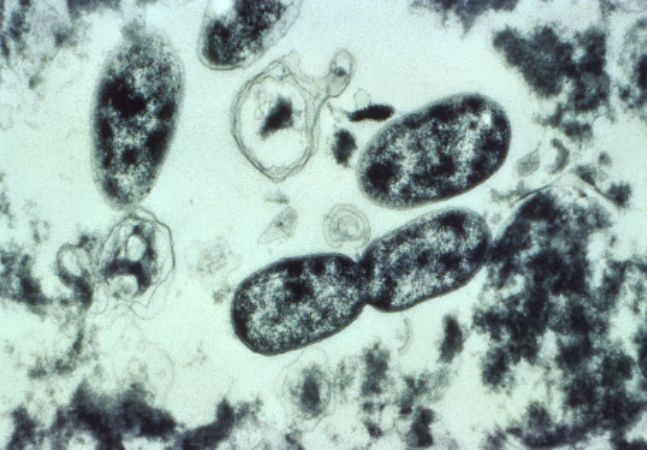
New regulations require cruise ships at U.S. ports to implement stricter water monitoring and pathogen control protocols.
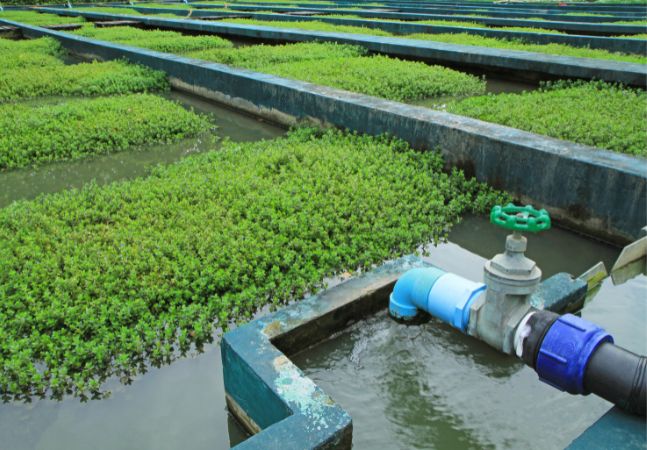
State board approves financing and grants to replace lead service lines, treat contaminants, and modernize aging sewer systems across New York.
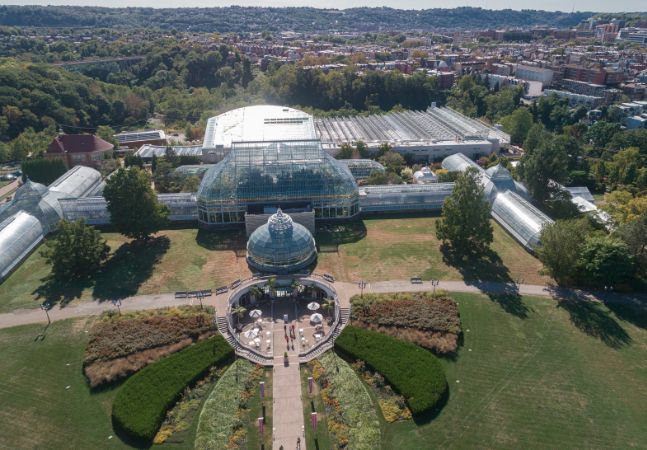
Public garden recognized by the American Horticultural Society for leadership in green design and climate action programs.
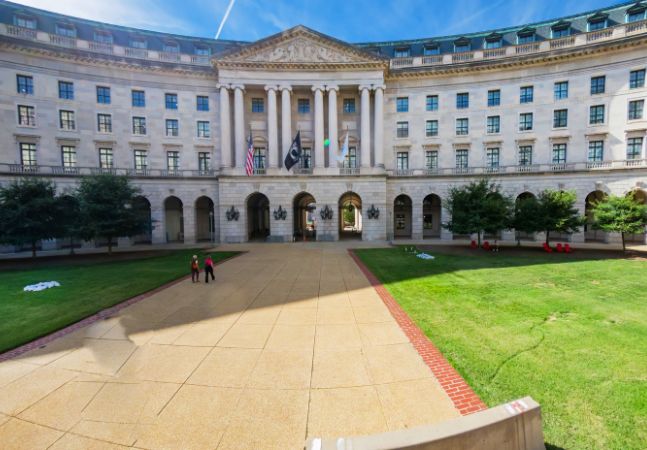
Seven technical experts will provide scientific guidance to the agency on national air quality standards through 2028.