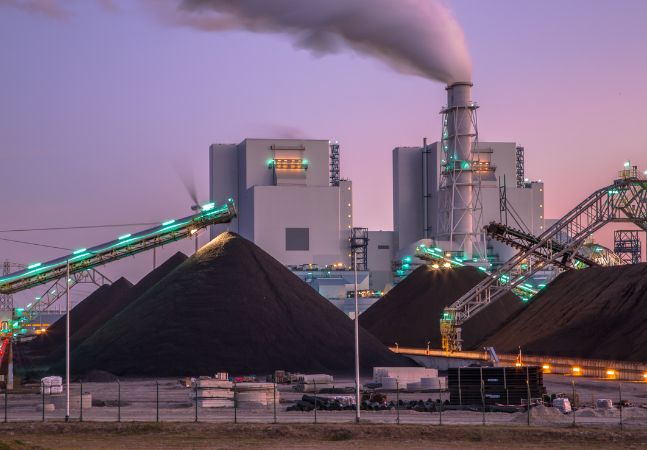
A draft plan weakens federal requirements for treating toxic leachate seeping from coal ash dumps into US waterways.
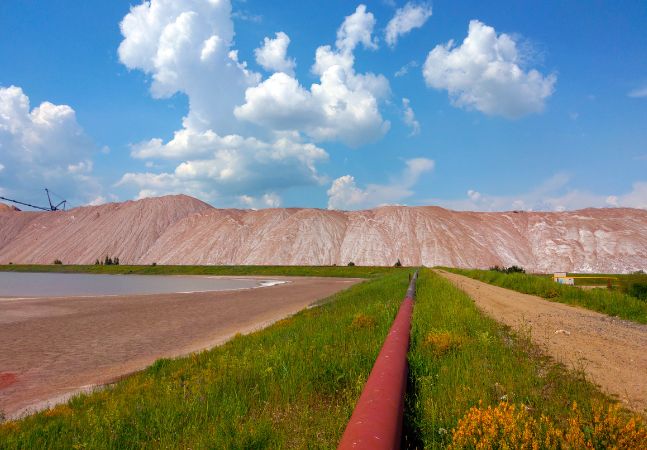
The acquisition is expected to strengthen technologies tied to lithium processing, zero liquid discharge systems and industrial brine management amid growing demand for sustainable water treatment solutions.
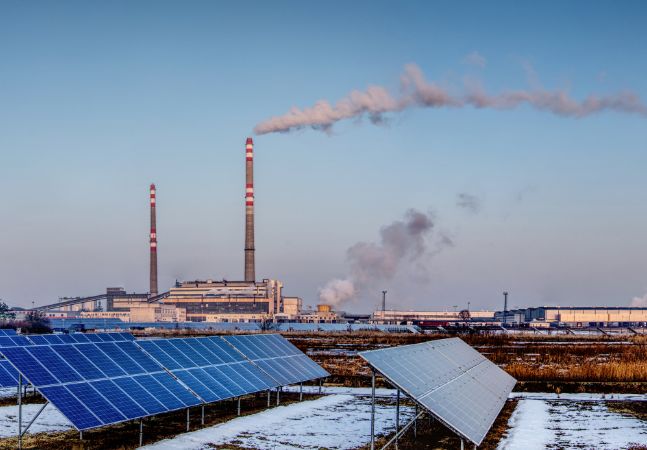
New research reveals that particulate matter from coal-fired plants acts as a "hidden drag" by blocking sunlight from reaching solar panels.

International collaboration enters third year with new technical agreements on polypropylene and film recycling.

The proposed rule aims to clarify when construction activities can begin under Clean Air Act permitting programs while reducing delays for infrastructure and energy projects.
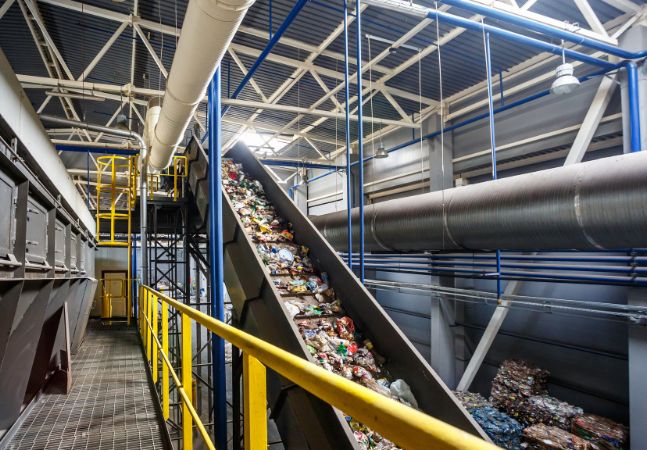
Domestic recycling capacity has dropped 25% as low-priced foreign plastic floods the market, industry leaders told federal trade officials.
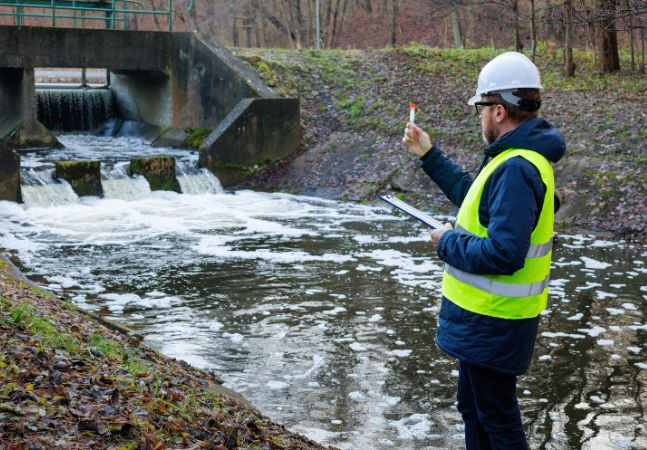
NRWA experts will continue providing technical and managerial support to small water systems across the United States.

The new tool allows users to track environmental permits, access project data and better understand regulatory timelines across the country.

State health officials released a contractor-led study comparing the Suncor refinery to national standards to find further pollution reductions.
New retrofit kits allow commercial vessel operators to transition to sustainable fuels without replacing existing pump systems.
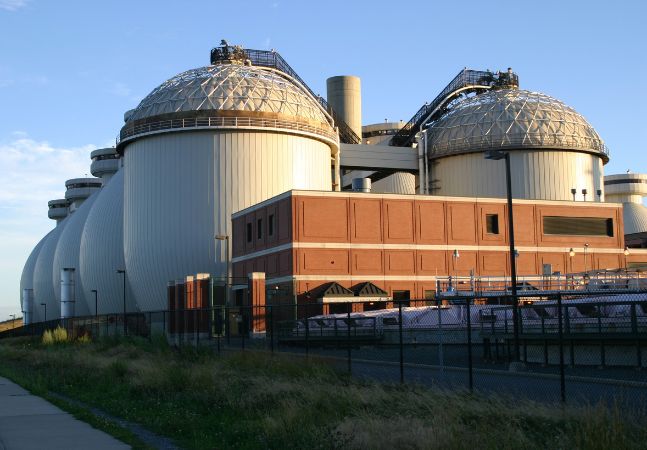
A new OIG report reveals that over 19% of large-scale hazardous waste generators missed mandatory inspections during a recent five-year period.

Mayors from across the globe say shifting away from fossil fuels is the most effective path to securing affordable and reliable power.
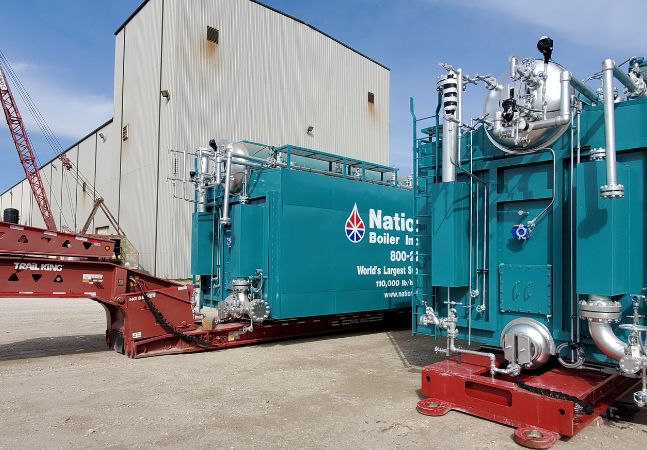
Trailer-mounted saturated and superheated steam boilers deliver high-output performance, fuel flexibility and low-NOx emissions for petrochemical and heavy industrial use.

Magna Systems technology targets diesel exhaust at the source to improve fire station air quality and protect firefighters.

The federal guidance outlines current approaches to managing PFAS waste, highlighting disposal challenges, evolving treatment technologies and the need to minimize environmental releases.
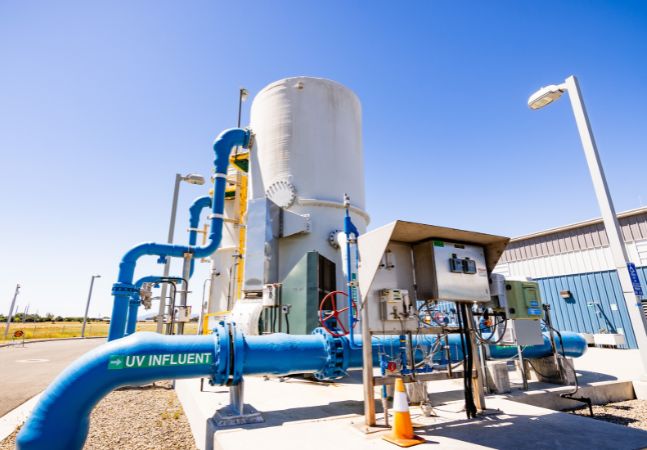
A new national initiative aims to secure water resources for data centers and energy production through expanded industrial reuse partnerships.

Deputy Administrator David Fotouhi emphasized the agency’s commitment to clean air, land and water while highlighting ongoing efforts to protect human health and the environment.
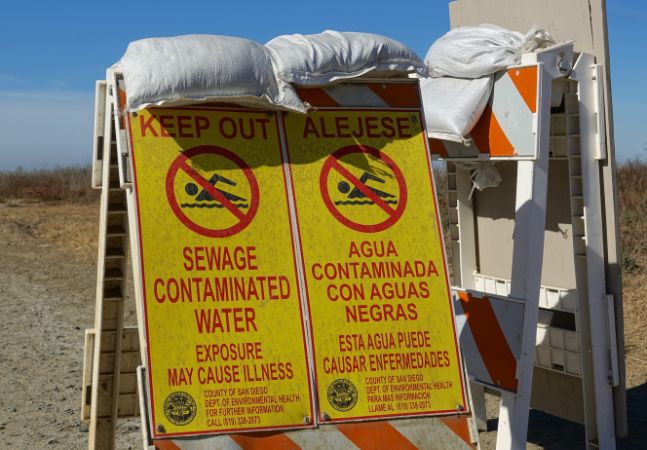
Experts and advocates call for state action as toxic runoff creates a public health and economic emergency in San Diego County.

New regulations require industrial facilities to slash emissions of five high-priority pollutants to protect public health.

Updated federal framework aims to bolster AI infrastructure and domestic manufacturing through collaborative water recycling initiatives.