The final rule eliminates a decades-old regulatory definition, with federal agencies saying the change better aligns implementation of the Endangered Species Act with the law's text.

State pauses new large-scale AI data center projects while officials develop environmental and energy standards.
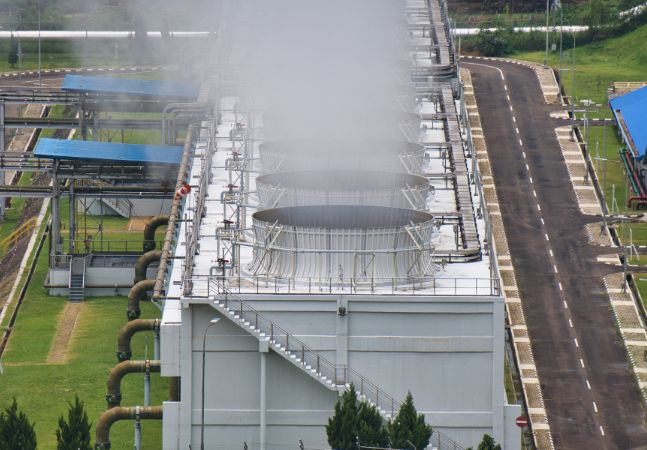
An expert warns cooling towers pose widespread risks as New York City faces its second major outbreak of the disease in less than a year.

Morten Eikenes takes the helm as chief executive officer to drive advanced material solutions for global water treatment.
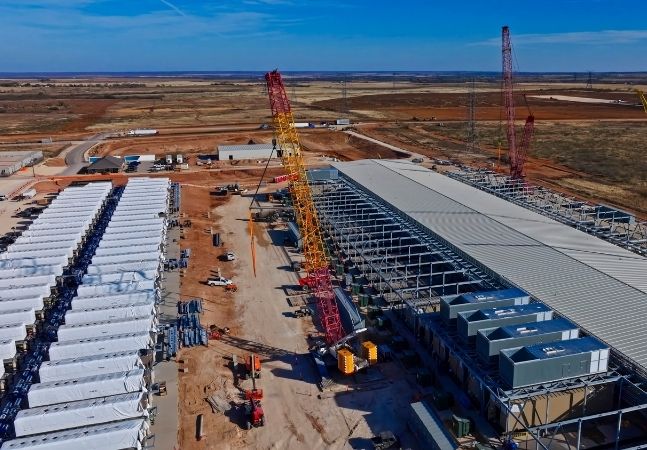
Environmental and health organizations argue a proposed rule allowing industrial polluters to build before securing permits violates the Clean Air Act.
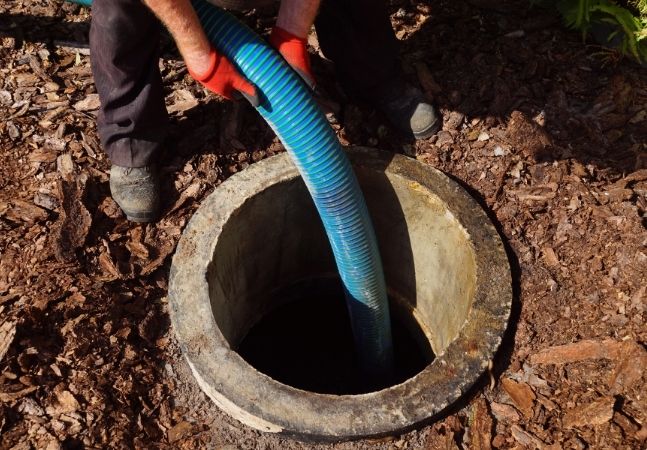
A major UK utility is scaling up its use of AI and electrical signature analysis to protect hard-to-reach pumps and prevent pollution.

The historic federal agreement requires the chemical manufacturer to install pollution controls and fund clean drinking water in three states.
The global awareness campaign highlights how artificial intelligence and advanced controls improve refrigeration and heat pump system efficiency.
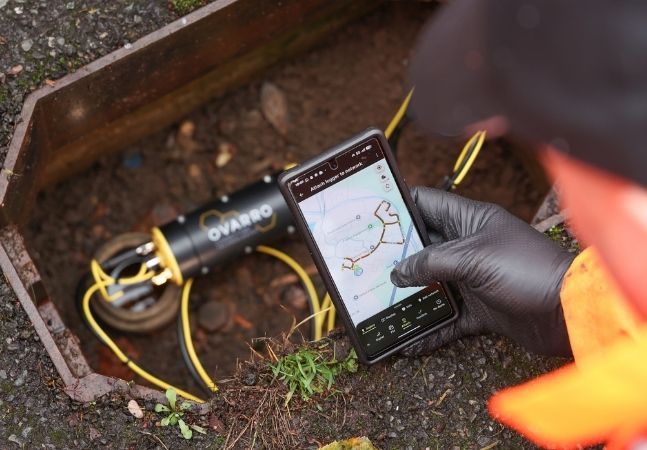
As extreme weather swings accelerate infrastructure damage, water utilities turn to advanced data analytics and automated acoustic tracking.

The new website provides tools, scientific resources and environmental guidance to support sustainability efforts, waste reduction, recycling and air quality management during FIFA World Cup 2026™.
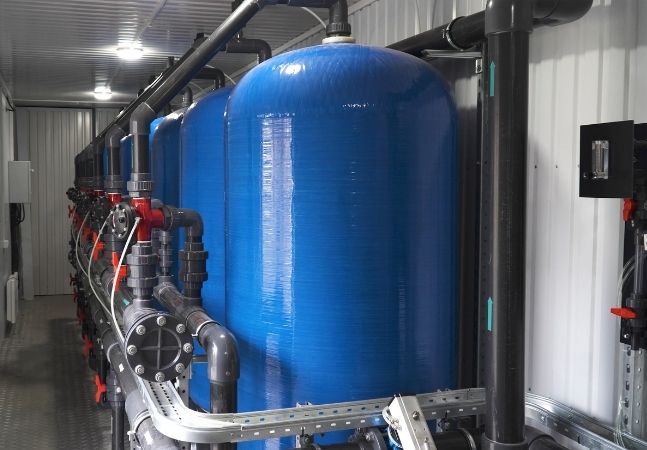
The engineering platform allows equipment suppliers to demonstrate system performance, operational costs and sustainability metrics early in facility planning.

Agency says advance planning can help protect lives, property, infrastructure and the environment as Atlantic storms approach.
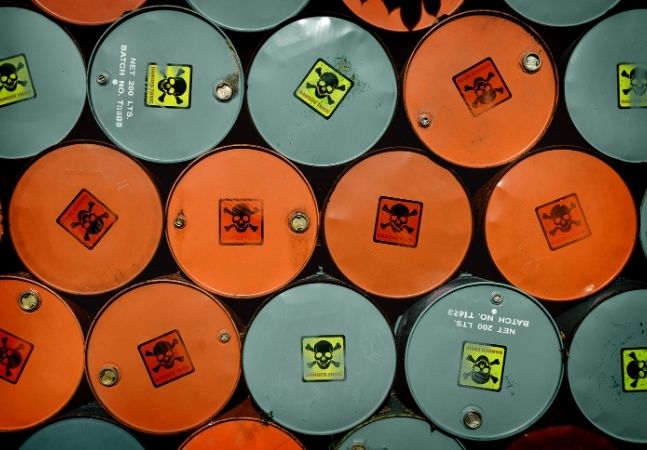
A New York-based chemical supplier is facing legal action for allegedly importing millions of pounds of toxic materials without proper oversight.
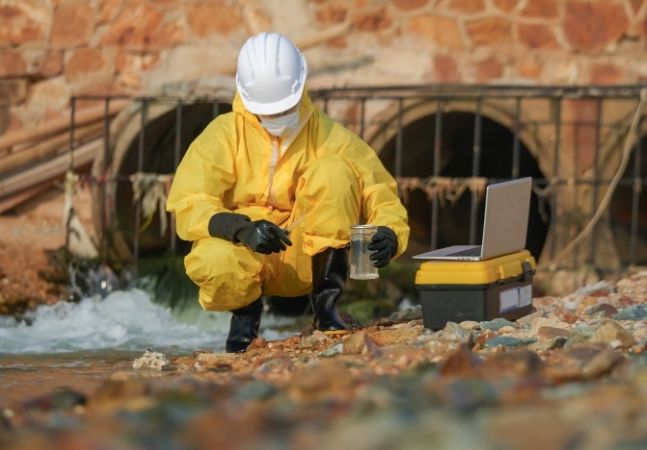
A pair of new regulatory updates aimed at sharpening groundwater monitoring and mitigating heat-related risks for agricultural workers will take effect this summer.
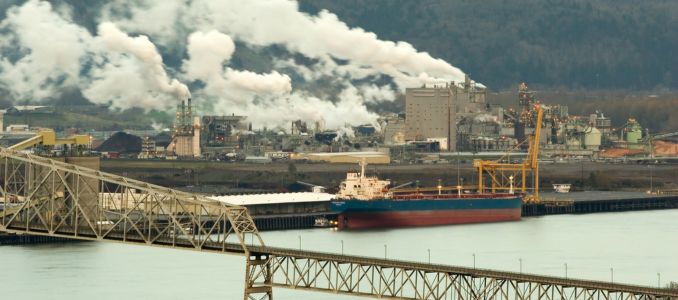
A chemical tank rupture in Longview spilled 500,000 gallons of corrosive liquid, marking one of the nation's deadliest workplace disasters in years.
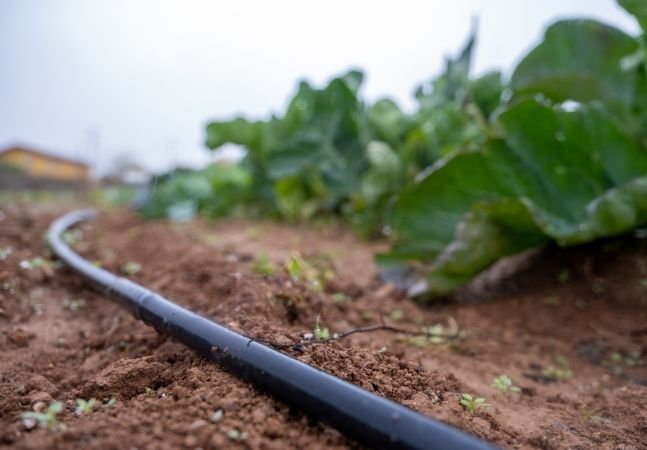
A new step-by-step framework helps companies identify and mitigate water-related risks across global farming supply networks.
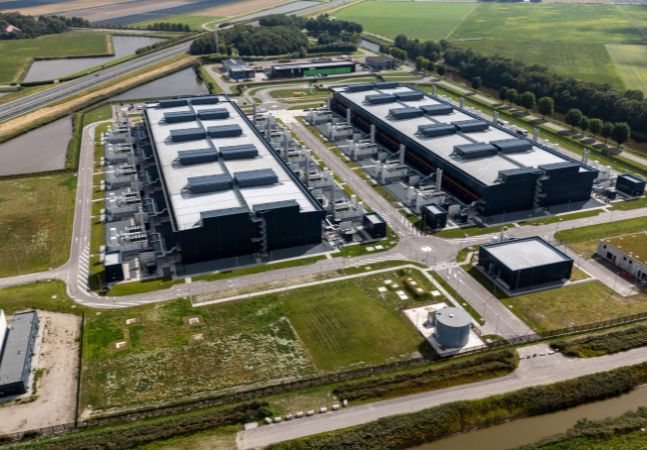
The recommendations call for increased transparency, stronger environmental reviews, and greater community oversight as utilities and developers continue expanding large-scale AI infrastructure nationwide.
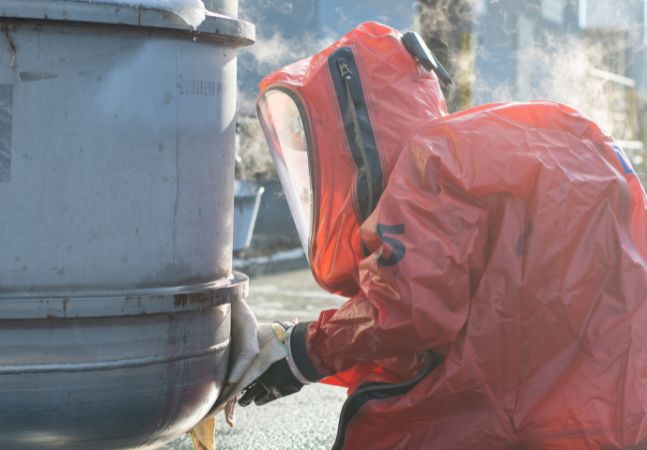
An overheated methyl methacrylate storage tank in Garden Grove triggered a large-scale hazmat response and raised concerns over fire, explosion, and hazardous vapor exposure risks.
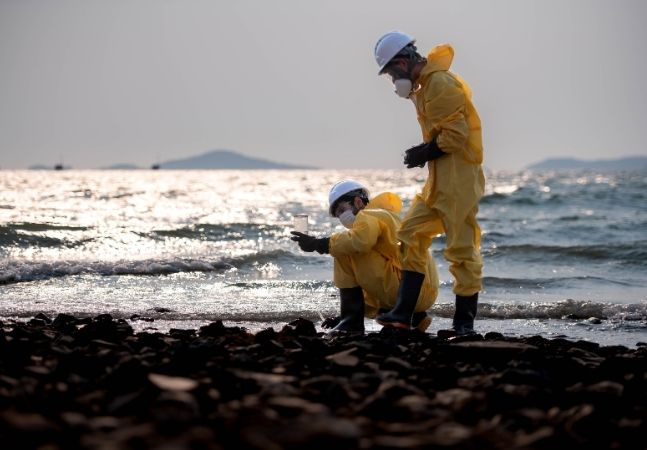
Nearly $1 million in federal funding will help Delaware, Maryland, Pennsylvania and Virginia test coastal waters and issue public safety alerts.
The funding will go to state programs to identify and replace dangerous drinking water infrastructure nationwide.