The agency will significantly reduce mammalian animal testing in chemical safety evaluations and expand the use of alternative scientific methods.
- By Stasia DeMarco
- January 26, 2026

The open-access resource outlines how utilities, regulators, and funders support innovation—offering lessons for U.S. water systems.
- By Stasia DeMarco
- January 21, 2026
Small shifts in usage can have a big impact.
- By Ellie Gabel
- January 20, 2026
Researchers are exploring emerging methods to break down PFAS and other “forever chemicals,” aiming to reduce long-term environmental and health risks.
- By Ellie Gabel
- January 16, 2026
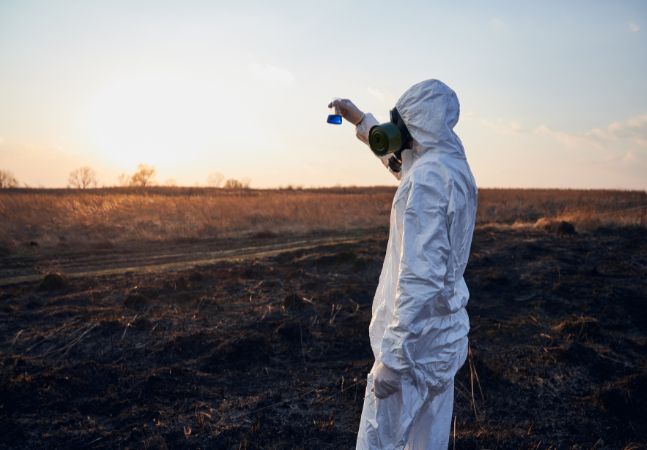
EPA will collect soil samples in Los Angeles fire-affected areas to confirm cleanup effectiveness, focusing on lead contamination, with results expected by spring 2026.
- By Stasia DeMarco
- January 15, 2026
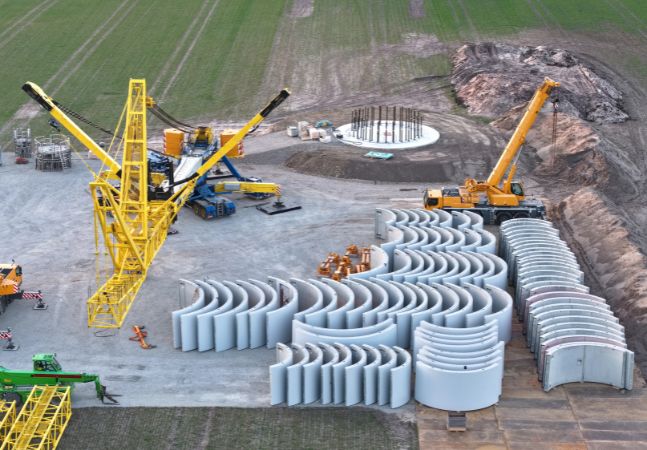
Many building and infrastructure codes still rely on historical climate data, even as storms, heat, and flooding intensify—creating growing risks for communities, economies, and resilience planning.
- By Jane Marsh
- January 14, 2026
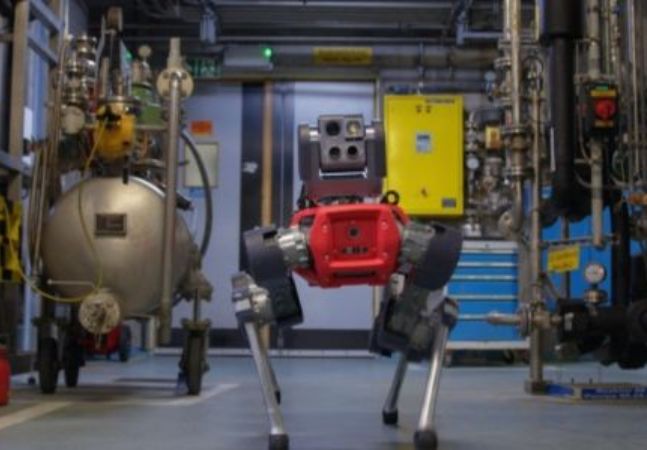
Equinor is using autonomous robotic inspection at its Northern Lights CCS facility to improve CO₂ monitoring and safety.
- By Stasia DeMarco
- January 13, 2026
Differences in water sources, treatment methods, and infrastructure can affect household habits, conservation efforts, and long-term sustainability after a move.
- By Jordan Ellis
- January 12, 2026
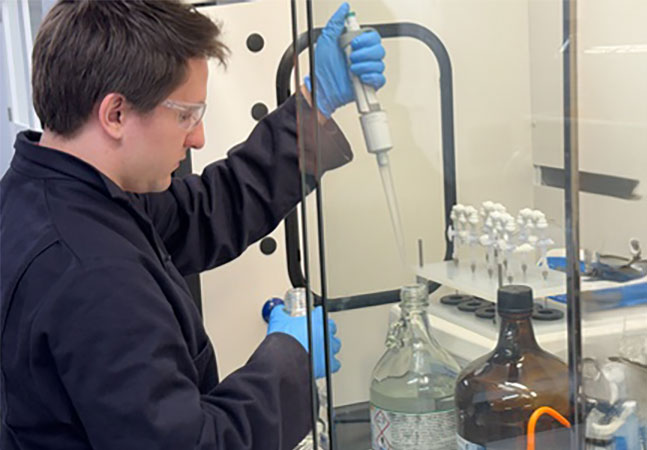
New DOD Labs unit will provide EPA-approved analytical testing for PFAS in water, soil, and other environmental samples.
- By Stasia DeMarco
- January 09, 2026
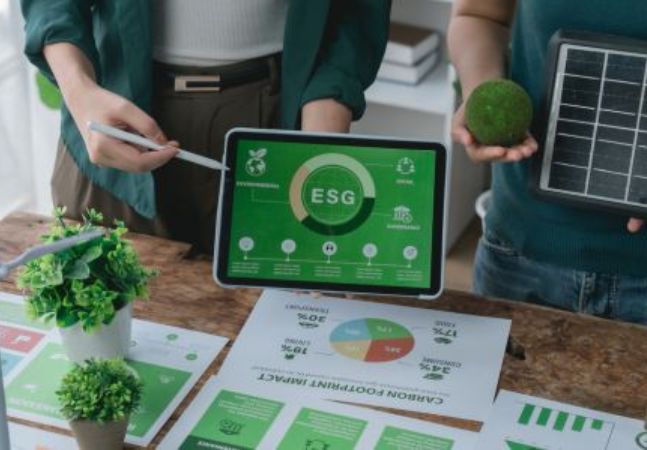
As companies rely more heavily on AI for sustainability reporting, experts warn that unchecked automation can introduce errors, undermine credibility, and increase disclosure risk.
- By Olga Bodiagina , Irina Fitzgerald
- January 08, 2026
State officials urge residents to test homes during winter heating season, when indoor radon levels are typically highest.
- By Stasia DeMarco
- January 07, 2026
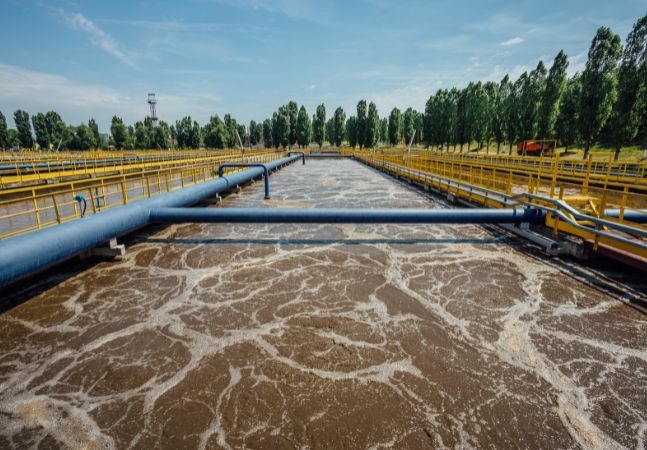
The agency’s five-year delay of stricter wastewater standards for coal-fired power plants will allow ongoing releases of arsenic, mercury and other pollutants into U.S. waterways that supply drinking water.
- By Stasia DeMarco
- January 05, 2026
A new audit highlights weaknesses in monitoring and documentation practices tied to large federal environmental grants, underscoring the importance of accountability as funding programs expand.
- By Stasia DeMarco
- December 24, 2025
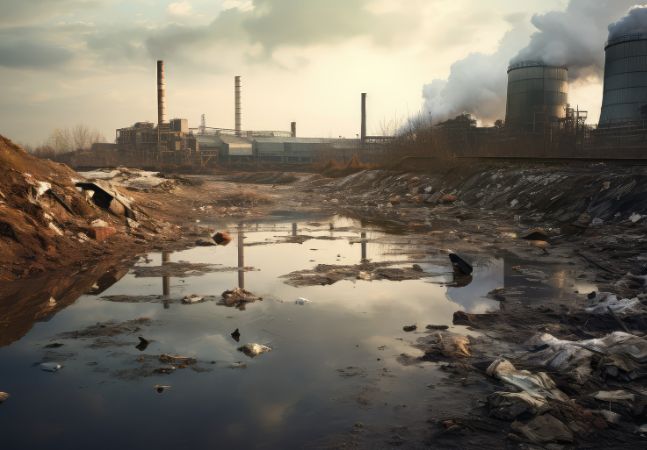
New Responsible Care performance data from the American Chemistry Council shows measurable reductions in emissions and energy intensity, highlighting continued progress in safety, transparency, and environmental stewardship across the U.S. chemical industry.
- By Stasia DeMarco
- December 22, 2025
New bilateral agreement outlines infrastructure, monitoring, and planning steps to reduce cross-border wastewater impacts.
- By Stasia DeMarco
- December 18, 2025
Facilities leaders cite consistency, safety, and sustainability as drivers behind campus-wide plumbing standardization.
- By Stasia DeMarco
- December 17, 2025

A 2025 Siemens study finds energy efficiency has become the leading infrastructure priority for organizations, driven by decarbonization goals, smart building investment and the push toward net-zero buildings.
- By Stasia DeMarco
- December 15, 2025
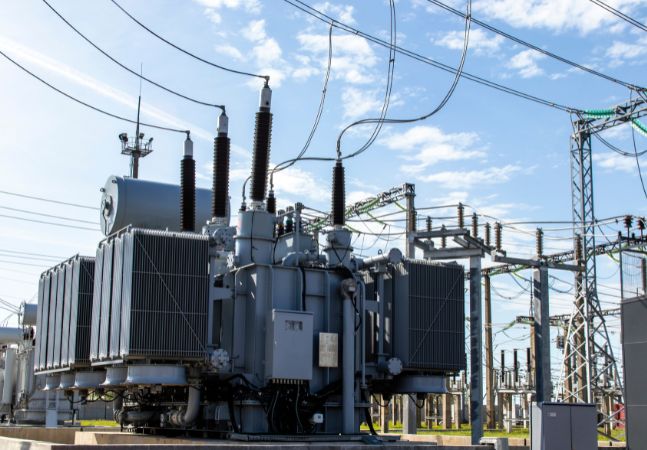
Advances in transformer design, monitoring and materials are helping utilities reduce oil leaks, minimize environmental impact and improve the sustainability of power distribution systems.
- By Jane Marsh
- December 12, 2025
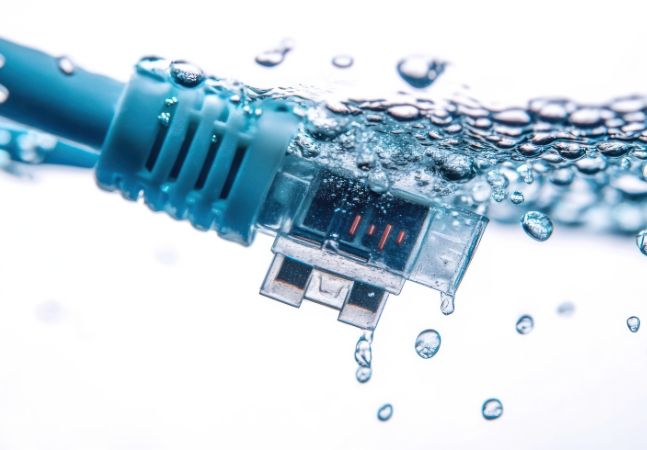
Regulators and law-enforcement partners are urging operators of water systems, treatment plants and other critical environmental services to strengthen cyber defenses and report suspicious activity following the indictment and extradition of a foreign national tied to a Russia-linked cyber scheme.
- By Stasia DeMarco
- December 11, 2025
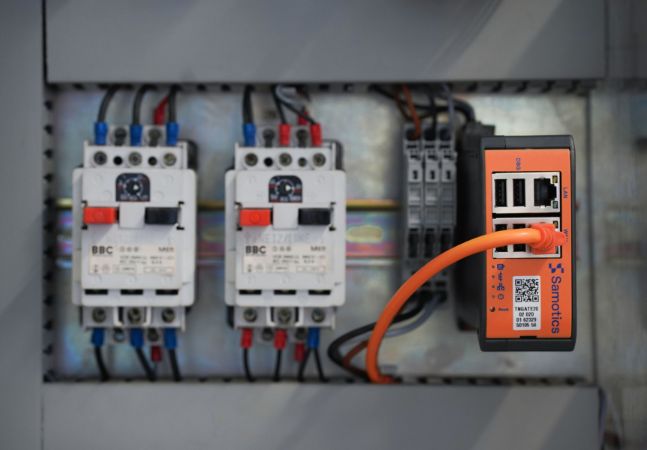
Southern Water has entered a six-year, £7 million partnership with Samotics to roll out AI-driven condition monitoring across critical assets. The SAM4 electrical signature analysis system has already prevented dozens of pump failures, reducing costs, improving reliability, and supporting environmental protection.
- By Stasia DeMarco
- December 11, 2025