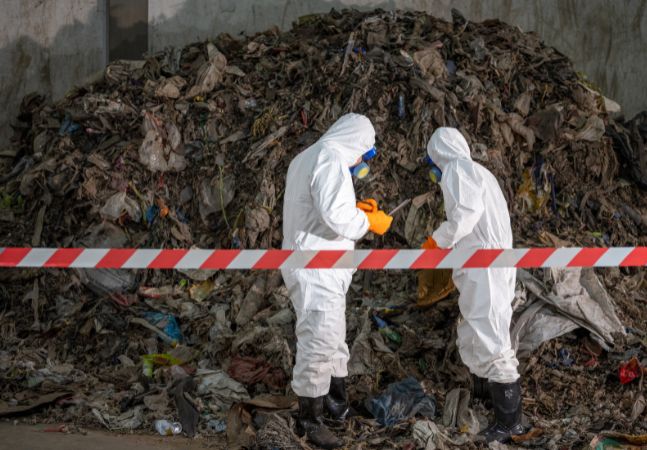
Premises liability for environmental incidents includes chemical spills, air emissions, runoff violations, and legacy contamination, creating regulatory and legal risk for property owners and operators.
- By Daniyal Shahid
- February 10, 2026
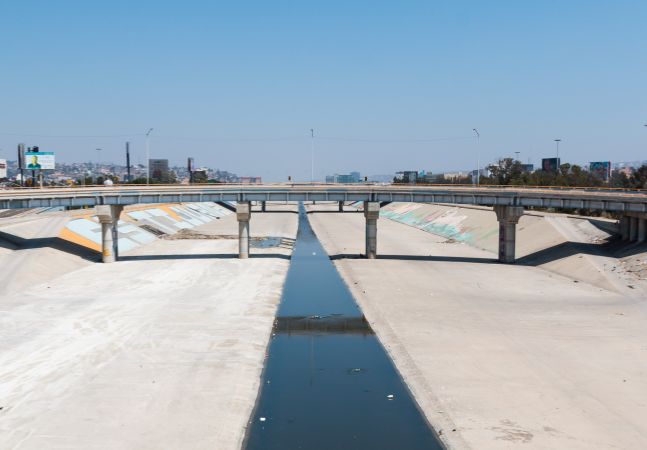
Administrator Lee Zeldin returned to San Diego to highlight progress on a long-term, cross-border plan aimed at stopping sewage flows and reducing environmental and public health impacts.
- By Stasia DeMarco
- February 09, 2026
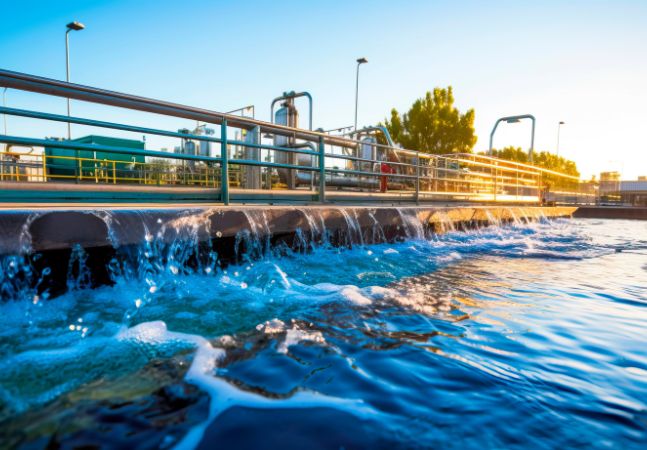
EPA Region 1 recognized seven wastewater treatment facilities and professionals across New England for excellence in operations, training, and industrial pretreatment programs.
- By Stasia DeMarco
- February 09, 2026
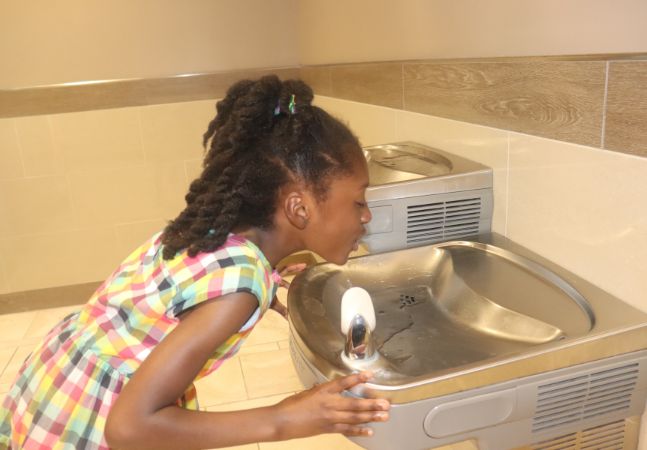
Colorado’s Test and Fix Water for Kids Program has tested more than 62,000 drinking water fixtures at schools and child care facilities to reduce lead exposure.
- By Stasia DeMarco
- February 06, 2026
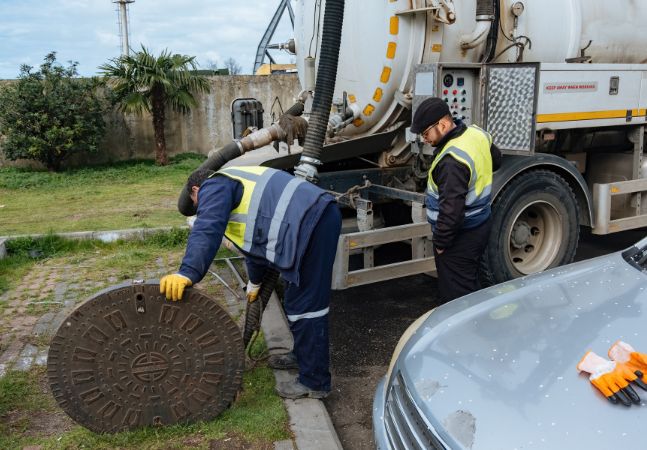
The transaction expands EnviroVac’s environmental and industrial services capabilities while strengthening the company’s national footprint.
- By Stasia DeMarco
- February 05, 2026
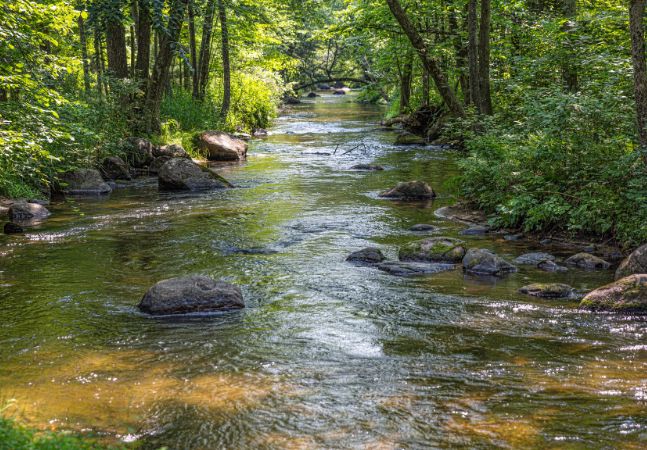
Michigan EGLE is accepting applications for 2026 MiCorps grants supporting volunteer stream cleanup and water quality monitoring across the state.
- By Stasia DeMarco
- February 05, 2026

Biotech and pharma facilities face complex environmental compliance challenges involving hazardous waste, emissions, lab safety, and regulatory audits. Learn the risks and best practices.
- By Daniyal Shahid
- February 03, 2026

Proposed updates under the Clean Air Act would affect how state air quality plans addressing ozone pollution are reviewed and implemented.
- By Stasia DeMarco
- February 02, 2026
Agency announces up to $3.2 million to support community-based environmental education projects nationwide.
- By Stasia DeMarco
- January 27, 2026
The agency will significantly reduce mammalian animal testing in chemical safety evaluations and expand the use of alternative scientific methods.
- By Stasia DeMarco
- January 26, 2026

The open-access resource outlines how utilities, regulators, and funders support innovation—offering lessons for U.S. water systems.
- By Stasia DeMarco
- January 21, 2026
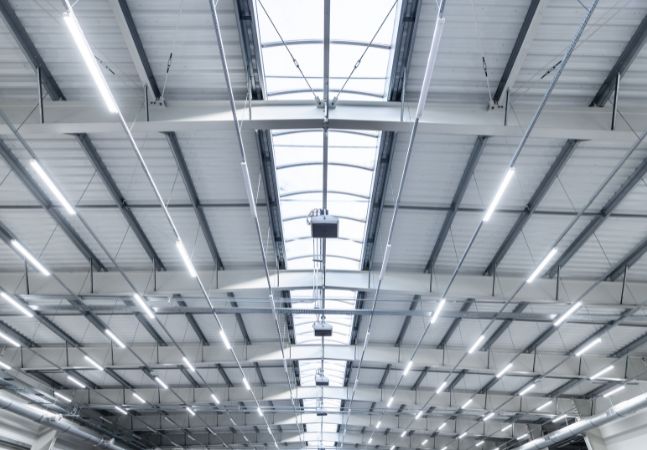
Small shifts in usage can have a big impact.
- By Ellie Gabel
- January 20, 2026
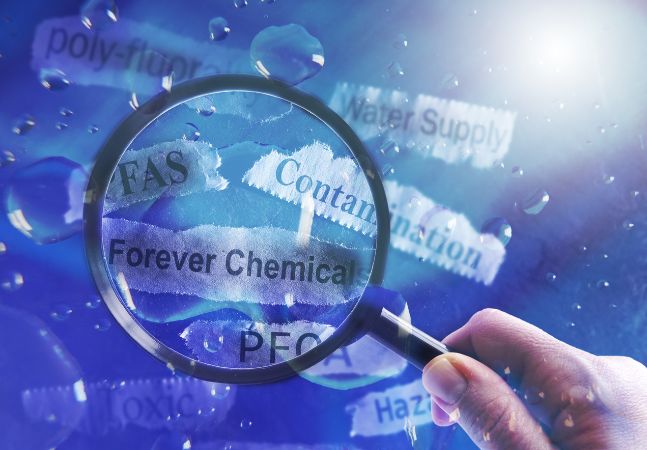
Researchers are exploring emerging methods to break down PFAS and other “forever chemicals,” aiming to reduce long-term environmental and health risks.
- By Ellie Gabel
- January 16, 2026
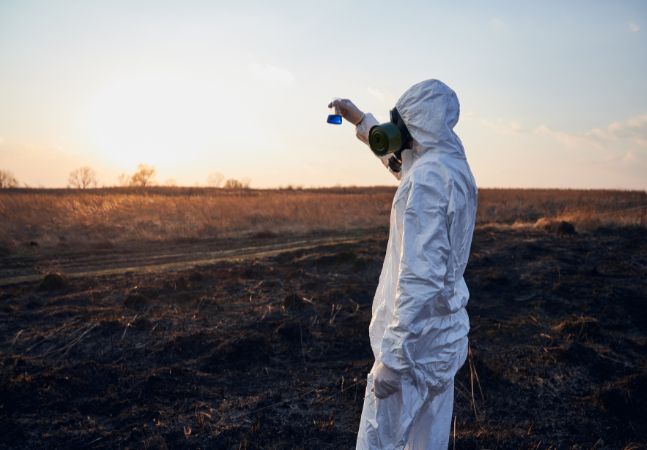
EPA will collect soil samples in Los Angeles fire-affected areas to confirm cleanup effectiveness, focusing on lead contamination, with results expected by spring 2026.
- By Stasia DeMarco
- January 15, 2026
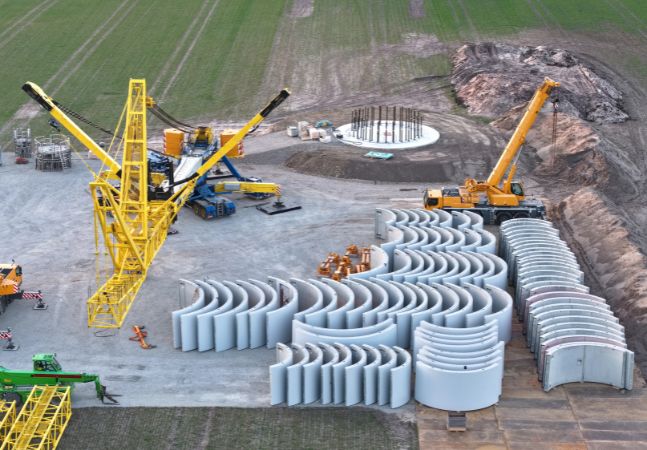
Many building and infrastructure codes still rely on historical climate data, even as storms, heat, and flooding intensify—creating growing risks for communities, economies, and resilience planning.
- By Jane Marsh
- January 14, 2026
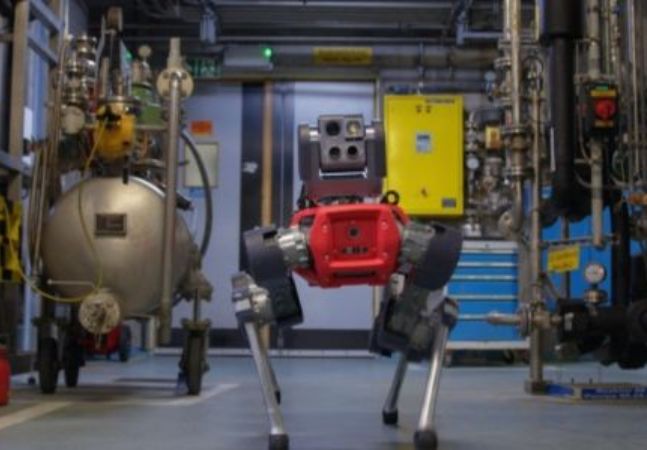
Equinor is using autonomous robotic inspection at its Northern Lights CCS facility to improve CO₂ monitoring and safety.
- By Stasia DeMarco
- January 13, 2026
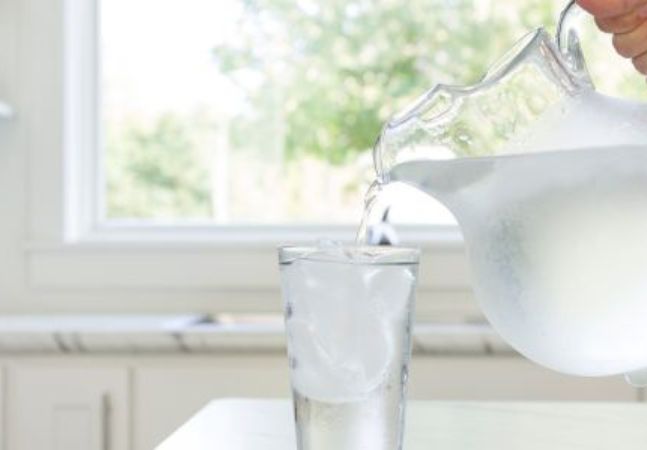
Differences in water sources, treatment methods, and infrastructure can affect household habits, conservation efforts, and long-term sustainability after a move.
- By Jordan Ellis
- January 12, 2026
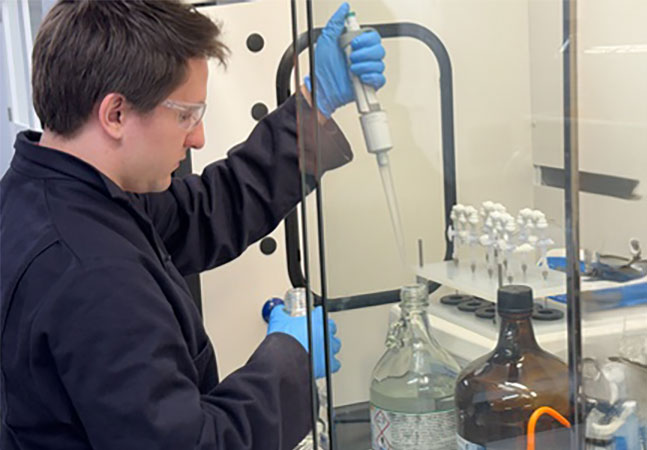
New DOD Labs unit will provide EPA-approved analytical testing for PFAS in water, soil, and other environmental samples.
- By Stasia DeMarco
- January 09, 2026
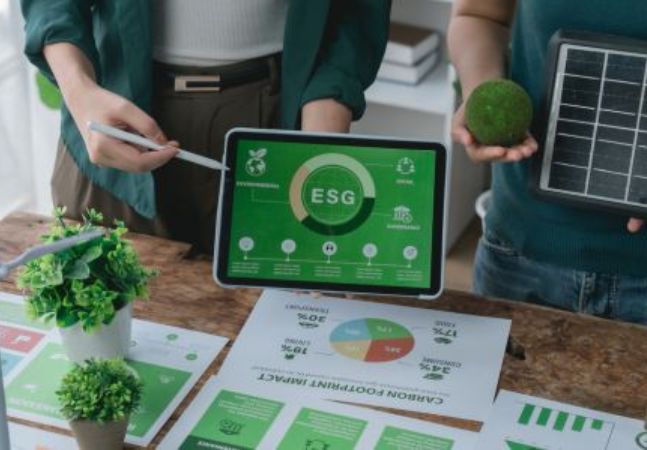
As companies rely more heavily on AI for sustainability reporting, experts warn that unchecked automation can introduce errors, undermine credibility, and increase disclosure risk.
- By Olga Bodiagina , Irina Fitzgerald
- January 08, 2026
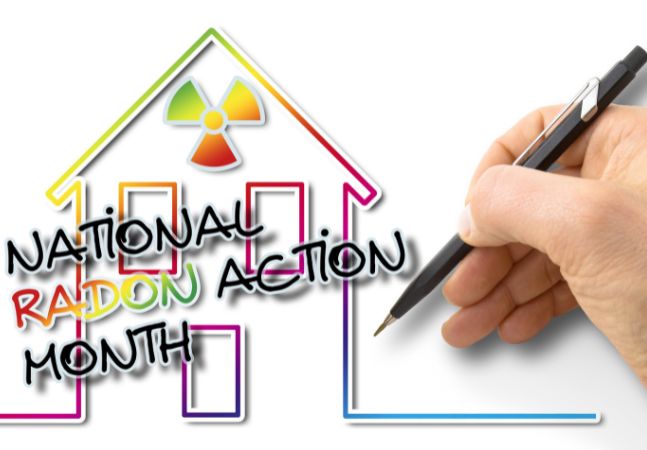
State officials urge residents to test homes during winter heating season, when indoor radon levels are typically highest.
- By Stasia DeMarco
- January 07, 2026