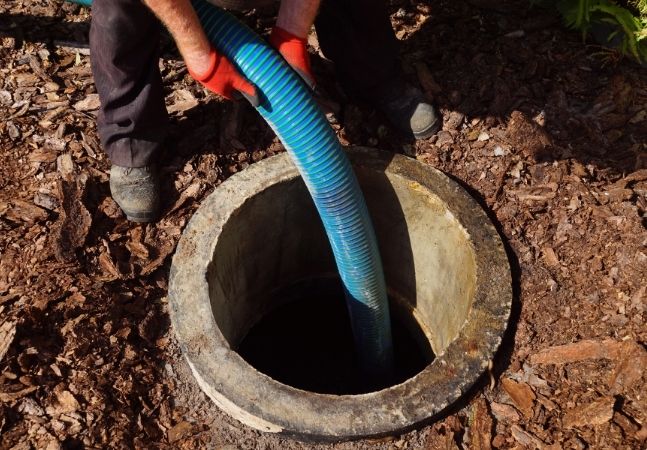
A major UK utility is scaling up its use of AI and electrical signature analysis to protect hard-to-reach pumps and prevent pollution.
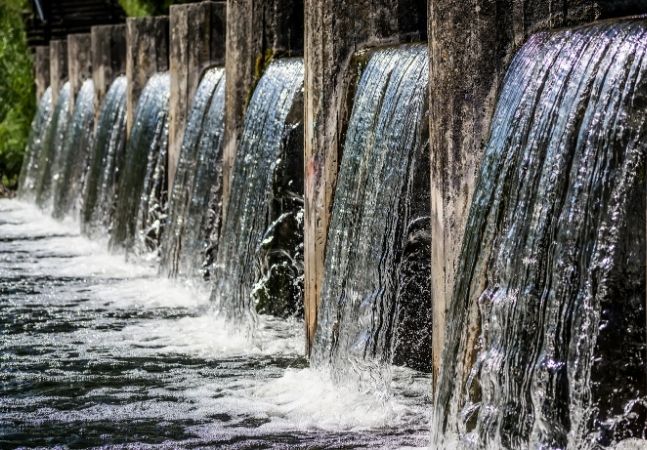
Treating factory effluent at the source eliminates municipal transport costs while providing manufacturing plants with a resilient, self-sustaining water supply.
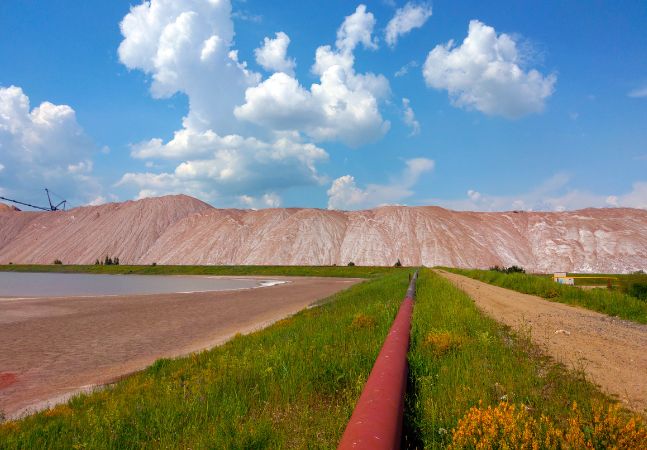
The acquisition is expected to strengthen technologies tied to lithium processing, zero liquid discharge systems and industrial brine management amid growing demand for sustainable water treatment solutions.
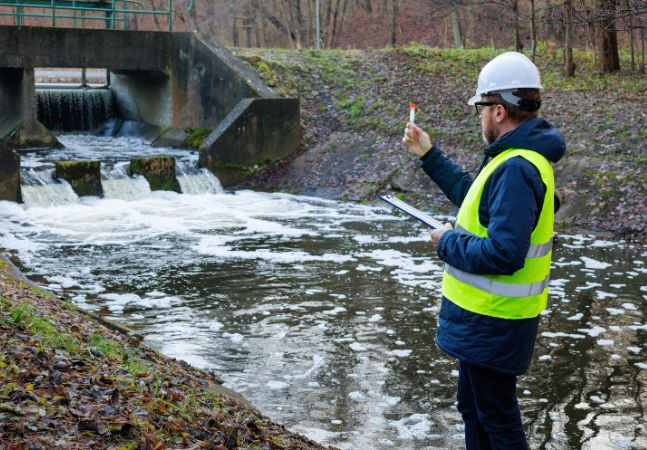
NRWA experts will continue providing technical and managerial support to small water systems across the United States.
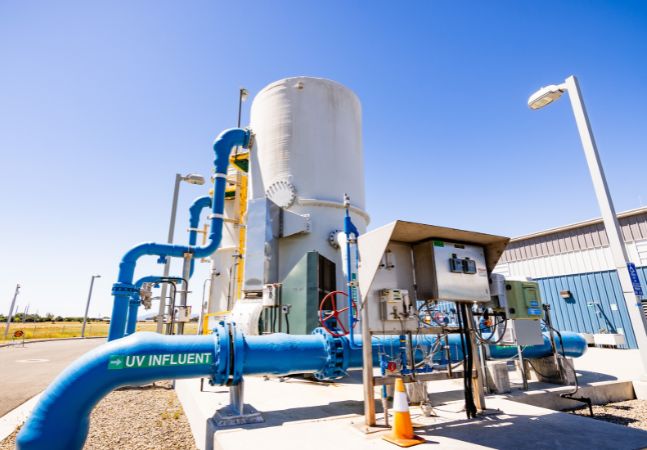
A new national initiative aims to secure water resources for data centers and energy production through expanded industrial reuse partnerships.

Updated federal framework aims to bolster AI infrastructure and domestic manufacturing through collaborative water recycling initiatives.
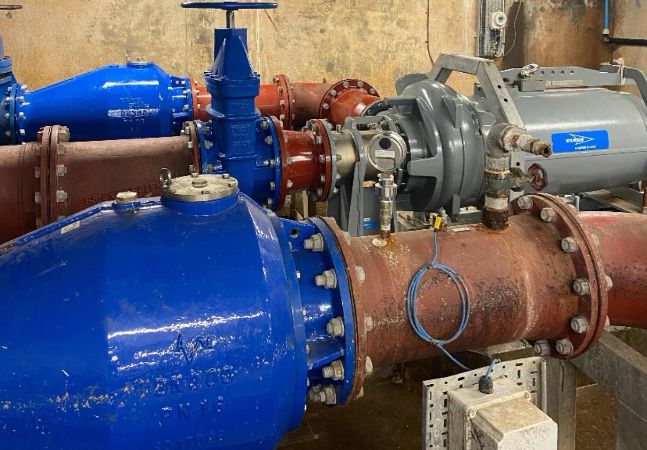
Real-time data insights helped Scottish Water avoid over-pumping and environmental risks during critical repairs at a major station.

A joint advisory outlines steps for water and wastewater systems to defend against ongoing exploitation of operational technology.
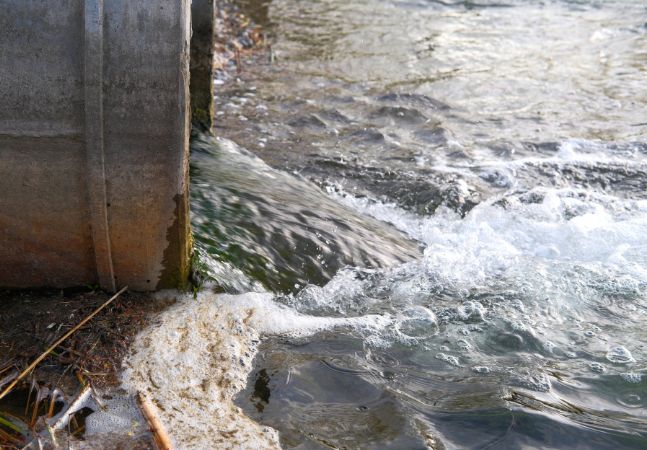
The trial in Pennsylvania demonstrates performic acid as a sustainable and efficient alternative to traditional chemical disinfection.
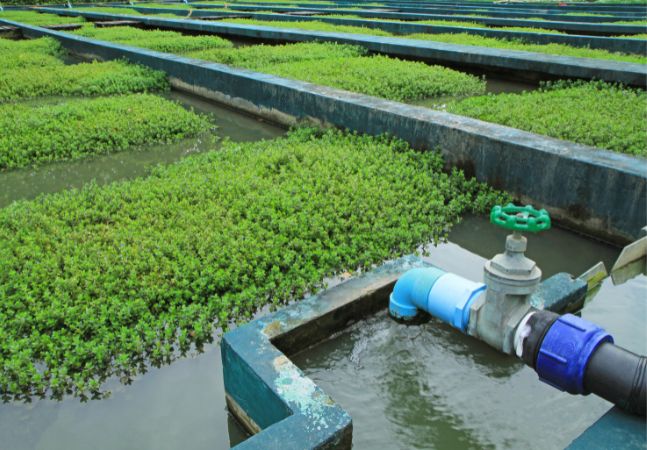
State board approves financing and grants to replace lead service lines, treat contaminants, and modernize aging sewer systems across New York.
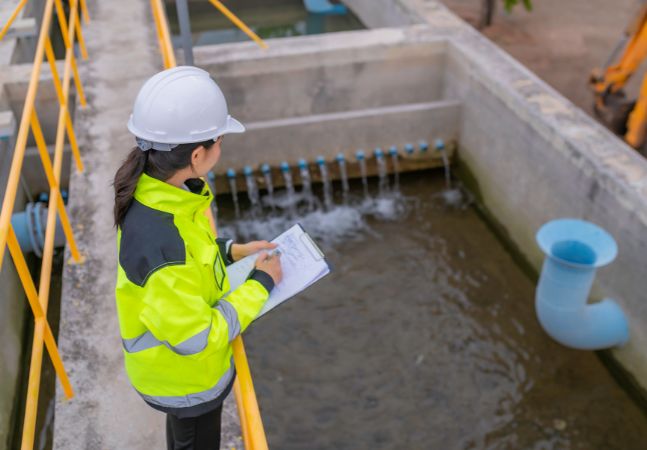
A long-term monitoring program reveals that source control and regulatory bans are more effective than expensive treatment upgrades.
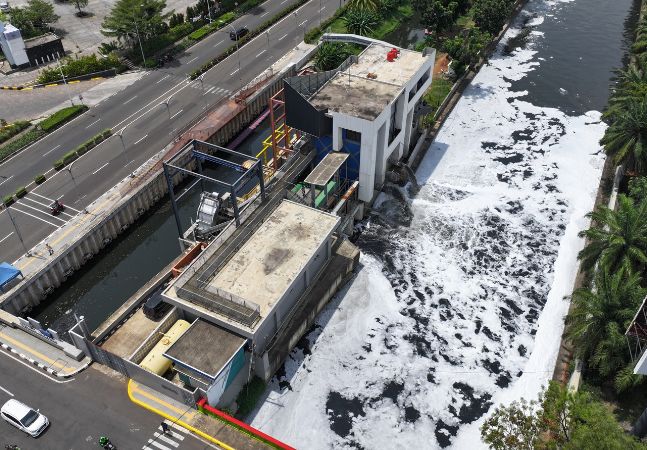
The EPA initiative will provide technical assistance and support to help drinking water and wastewater systems improve infrastructure and maintain safe, reliable water services.
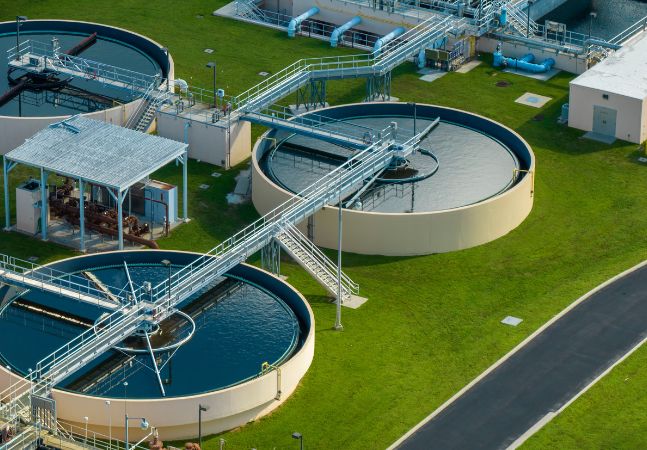
Amy Van Blarcom-Lackey toured Pennsylvania’s Wyoming Valley to review brownfield reclamation and water infrastructure.
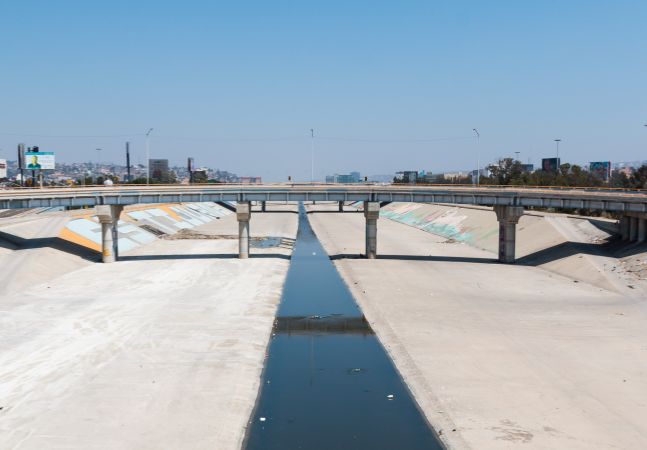
Administrator Lee Zeldin returned to San Diego to highlight progress on a long-term, cross-border plan aimed at stopping sewage flows and reducing environmental and public health impacts.
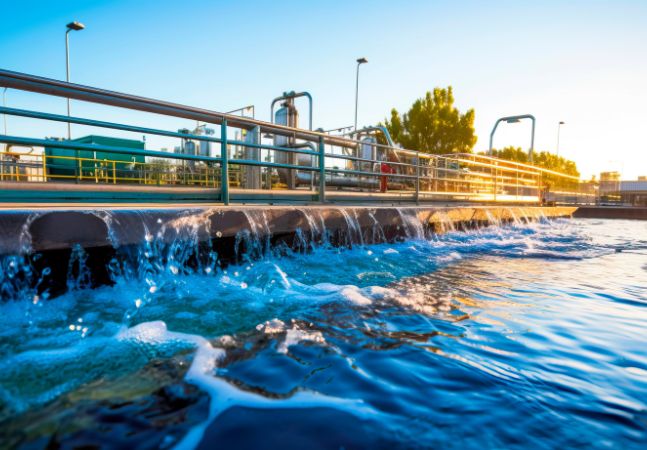
EPA Region 1 recognized seven wastewater treatment facilities and professionals across New England for excellence in operations, training, and industrial pretreatment programs.
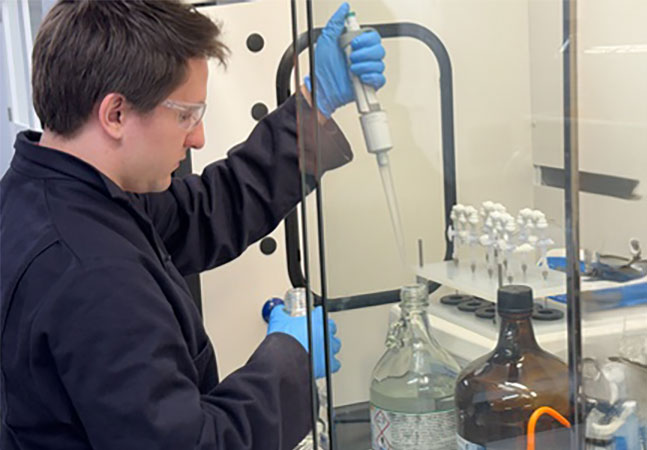
New DOD Labs unit will provide EPA-approved analytical testing for PFAS in water, soil, and other environmental samples.
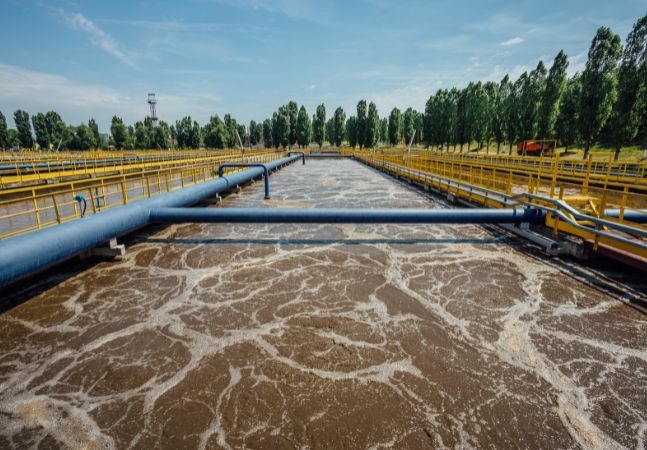
The agency’s five-year delay of stricter wastewater standards for coal-fired power plants will allow ongoing releases of arsenic, mercury and other pollutants into U.S. waterways that supply drinking water.

New bilateral agreement outlines infrastructure, monitoring, and planning steps to reduce cross-border wastewater impacts.

A custom-designed WCSEE HiPAF system is helping an Oxfordshire reptile zoo manage fluctuating wastewater loads from animal habitats and visitor facilities while meeting strict environmental discharge standards.
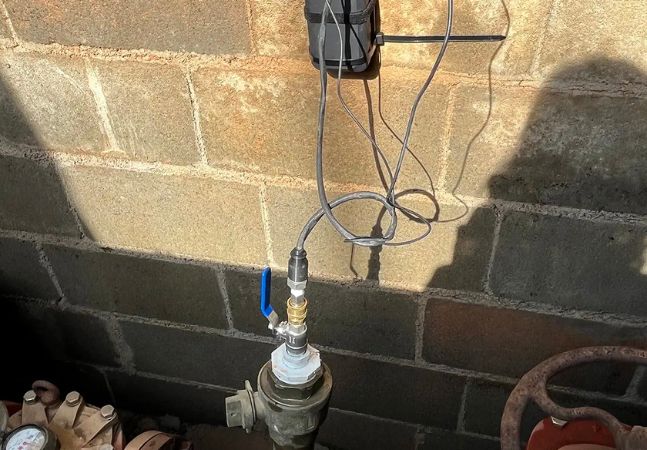
A new pressure-monitoring pilot with Orbis Intelligent Systems is giving Clayton County Water Authority real-time visibility into network performance, helping operators stabilize pressure, prevent service disruptions and prepare for extreme weather.