The Blue Ribbon Commission on America's Nuclear Future also says currently available revenues are sufficient and a new, non-DOE nuclear waste management program should be established.
Surface water quality is important for the proper function of aquatic ecosystems, as well as human needs and recreation. Pasturelands have been found to be major sources of sediment, phosphorus and pathogens in Midwest surface water resources.
The United States is lagging behind other countries when it comes down to overall recycling efforts. As the world’s largest trash producing country at 1,609 pounds of trash per person, per year, according to the U.S. Environmental Protection Agency, it raises questions why the land of opportunity isn’t taking advantage of its position to help reduce some of the Earth’s greenhouse gas emissions.
- By Christina Miralla
- July 18, 2011
As the process of recovering from the May 22 tornado in Joplin, Mo., nears the end of its eighth week, EPA Region 7 is urging residents and cleanup crews to keep residential storm debris segregated into six categories to speed curbside collection efforts.
Civic Works in Baltimore will receive a $300,000 Environmental Workforce Development and Job Training Grant to help train low-income residents for environmental jobs.
Freedman Farms Inc. and its president, William B. Freedman, pleaded guilty yesterday in federal court in New Bern, N.C., to violating the Clean Water Act when they discharged hog waste into a stream that leads to the Waccamaw River, the Department of Justice’s Environment and Natural Resources Division and the U.S. Attorney’s Office for the Eastern District of North Carolina announced.
General Motors' efforts to eliminate the shipment of plant waste to landfills is spreading to its non-manufacturing sites, 10 of which now reuse, recycle or convert to energy all waste from normal operations.
GE has introduced a membrane bioreactor wastewater treatment technology called LEAPmbr, which addresses pressing water quality and operational cost issues faced by owners of municipal, industrial and residential water/wastewater treatment facilities worldwide.
Last month, the DoE completed the cleanup of Cold War legacy waste at the Nuclear Radiation Development LLC site near Grand Island, N.Y. and at the Lawrence Berkeley National Laboratory in Berkeley, Calif.
ExxonMobil Pipeline Company continues to expand its clean up operation following a release of crude oil into the Yellowstone River in Montana.
The first scientific results from an ambitious voyage led by a group of graduate students from Scripps Institution of Oceanography at UC San Diego offer a stark view of human pollution and its infiltration of an area of the ocean that has been labeled as the "Great Pacific Garbage Patch."
the 20 million larvae of the plant are able to ingest a ton of waste per day, showing that this technology is much more effective and faster than other conventional techniques of traditional composting and vermicomposting, which removes the residue with earthworms.
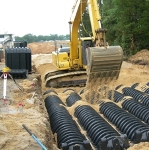
When St. Augustine Prep School in Richland, N.J., decided to expand its facilities, it focused on maintaining the school’s historically strong environmental commitment. What it didn't realize, though, is that the wastewater treatment system it had implemented was unable to handle the capacity of wastewater the school generated.
CBI Polymers LLC, the innovator of DeconGel® nuclear decontaminant, will join the broad-based philanthropic effort to help with the crisis in Japan by making a donation of $250,000 in radiological decontamination products and technical services at the request of the Japanese Medical Association.
While spent nuclear fuel continues to pile up by the ton across the United States, UC Irvine’s Mikael Nilsson says the solution is clear: recycle it at the commercial nuclear power plants that create it.
In addition to its damaging effect on the environment and its illegal smuggling into developing countries, researchers have now linked e-waste to adverse effects on human health, such as inflammation and oxidative stress – precursors to cardiovascular disease, DNA damage, and possibly cancer.
The Chattanooga area has made significant progress in improving air quality and has reached an important clean air milestone, but the state was put on notice to lean up toxic waste from TVA coal plant.
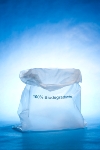
Research from North Carolina State University shows that so-called biodegradable products are likely doing more harm than good in landfills, because they are releasing a powerful greenhouse gas as they break down.
The chemicals removed included flammables, oxidizers, corrosive acids, corrosive bases, toxics, and non-regulated materials.
EPA has developed three options to address contaminated soil at the former lagoons and has selected excavation and off-site disposal of the contaminated soil as its preferred alternative.