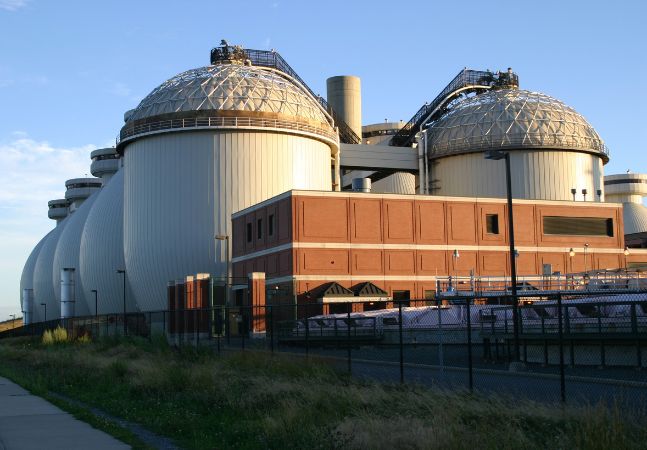
A new OIG report reveals that over 19% of large-scale hazardous waste generators missed mandatory inspections during a recent five-year period.
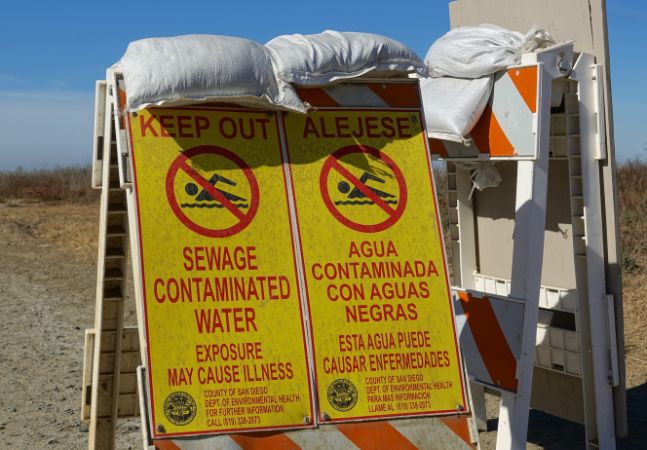
Experts and advocates call for state action as toxic runoff creates a public health and economic emergency in San Diego County.

New purpose-built hoppers streamline jobsite waste management with forklift-compatible designs and versatile dumping options for various materials.
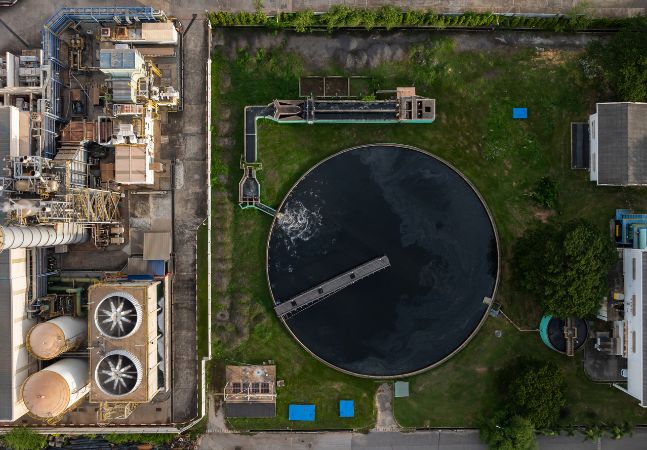
While the site hits record milestones in waste reduction, a new federal audit reveals a $75 billion cost surge across the broader DOE complex.
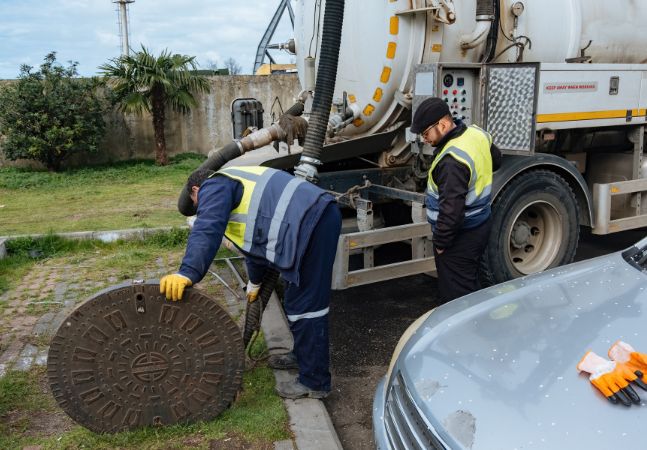
The transaction expands EnviroVac’s environmental and industrial services capabilities while strengthening the company’s national footprint.

Biotech and pharma facilities face complex environmental compliance challenges involving hazardous waste, emissions, lab safety, and regulatory audits. Learn the risks and best practices.

Rain, snow, and ice increase fuel use, delay deliveries, and raise emissions, but fleets that plan routes, train drivers, and maintain equipment can reduce costs and stay on schedule.

From packing supplies to transport choices, small changes in how you move can cut waste, prevent toxic residues, and protect both your health and the environment.

As green marketing faces mounting scrutiny, supply-chain transparency is emerging as a powerful differentiator—exposing hollow claims and rewarding brands with traceable proof of performance.

Following a large lithium-ion battery fire, the EPA has ordered Gateway Energy Storage to manage environmental cleanup and monitoring efforts at its San Diego site.
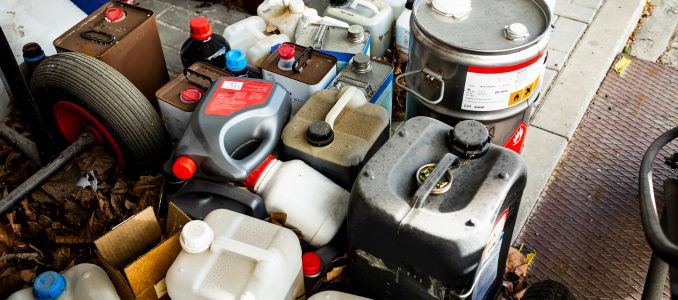
Businesses, schools, and other small generators are encouraged to review hazardous waste handling to prevent violations and protect public health.
Eco-friendly products are everywhere—but are they truly sustainable or just clever marketing? This article uncovers what really makes a product green.

The first year of the league’s sustainability initiative showcases major progress in waste diversion, energy use, and water conservation.
The bill sets the stage for a statewide EPR program to improve recycling access and hold producers accountable for packaging waste.
The EPA has finalized a cleanup plan for PCB contamination in Anniston, Alabama, focusing on Snow Creek, Choccolocco Creek and Logan Martin Lake.

Practical reuse initiatives in the workplace can significantly reduce waste and generate cost savings.
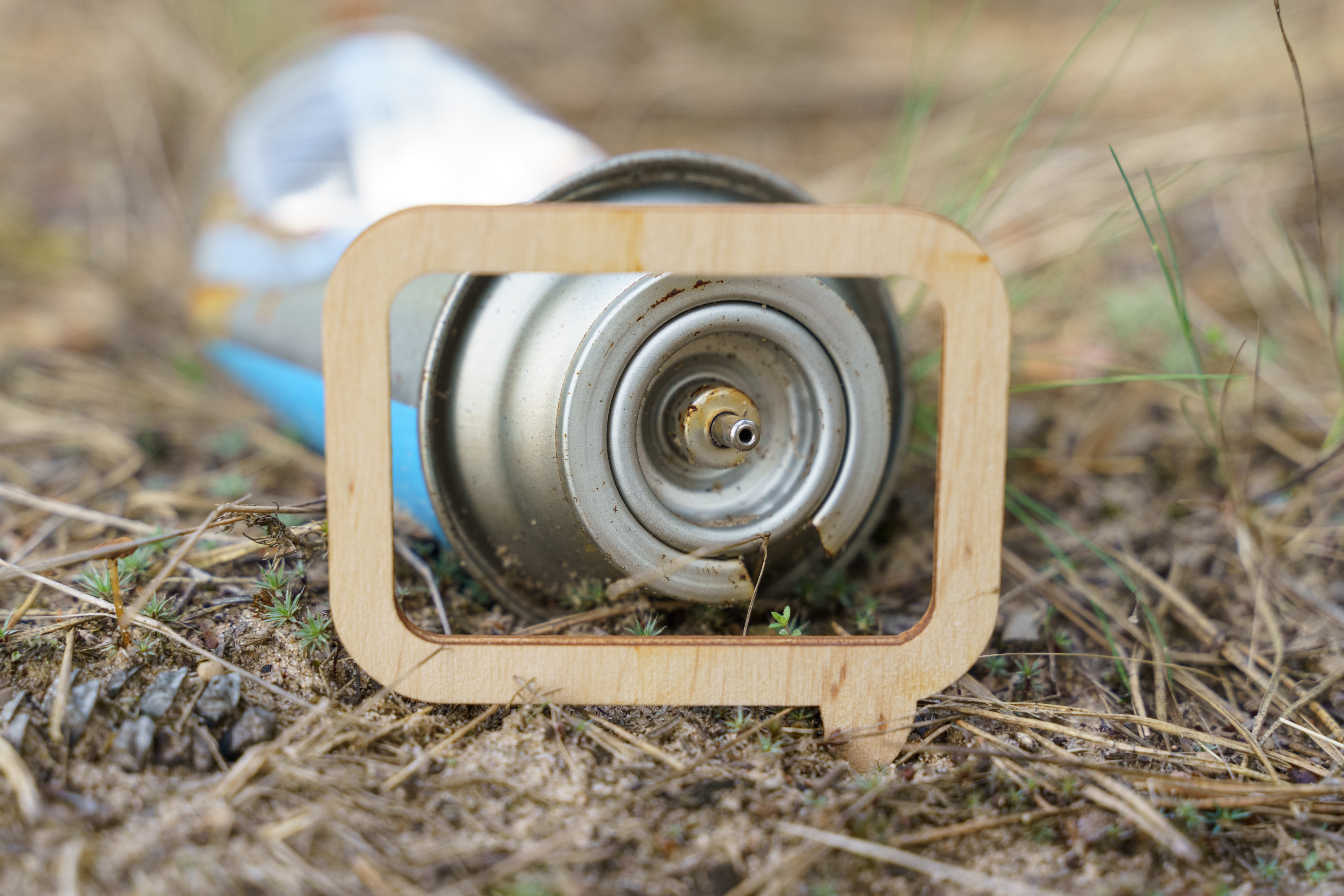
The new technology enables the comprehensive recycling of aerosol paint cans.

The national plan aims to cut food waste in half by 2030.

The agency ended Earth Week with a spotlight on its efforts to combat plastic pollution.

Companies should implement eco-friendly strategies, such as sustainable packing materials and proper disposal, to reduce environmental impact during large-scale moves.