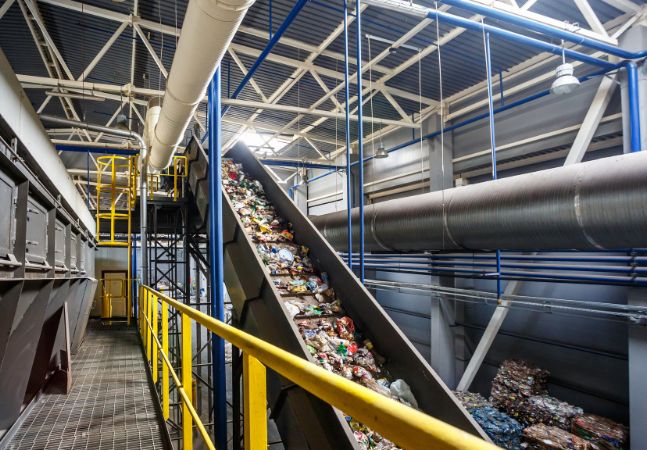
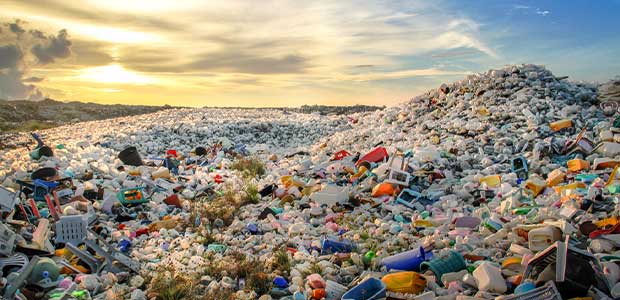
Domestic recycling capacity has dropped 25% as low-priced foreign plastic floods the market, industry leaders told federal trade officials.
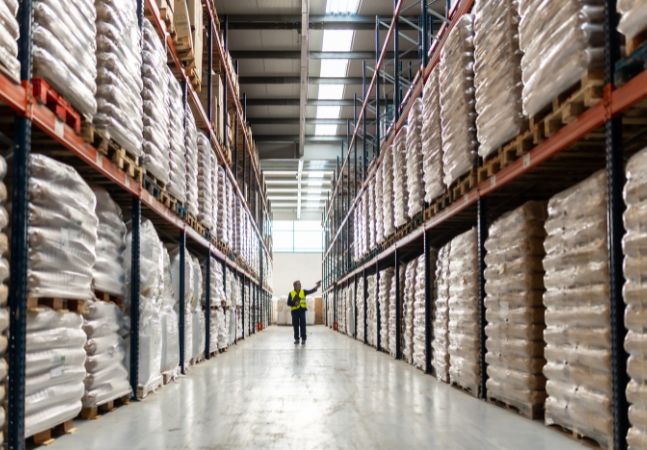
Explore how the hidden environmental impact of energy use, packaging waste and logistics is reshaping the future of modern warehouse operations.

New hardware releases prioritize user-replaceable components and plastic-free packaging to reduce electronic waste and extend product lifecycles.

Researchers at City University of Hong Kong develop droplet technology to reduce cleaning water consumption by billions of gallons annually.

The secondary technology market is booming. Discover how trade-in programs and refurbishment models turn ESG goals into massive commercial growth.
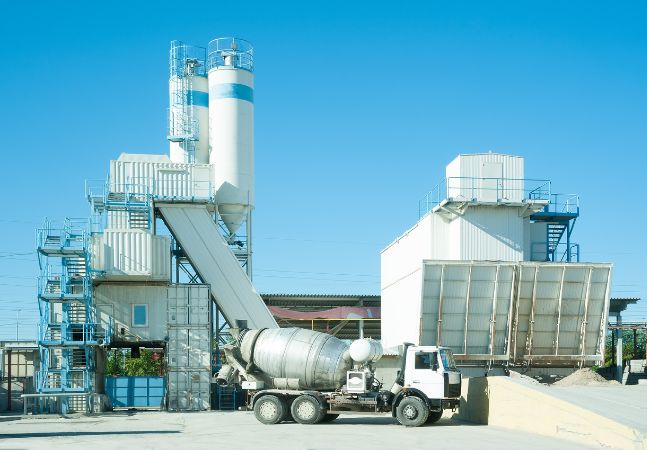
The proposal aims to increase permitting flexibility and encourage the recycling of coal ash into construction materials to reduce waste.
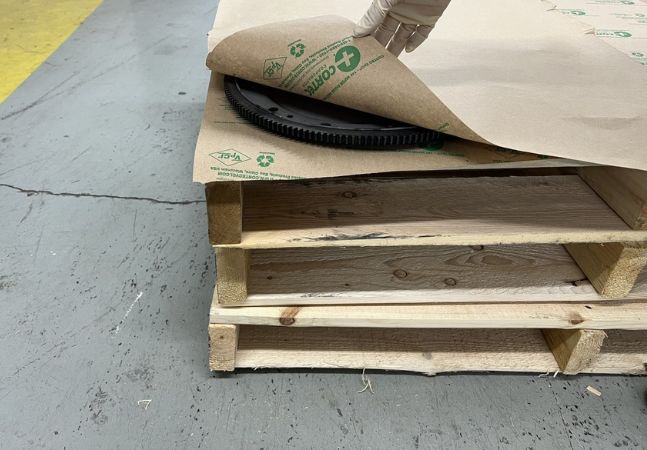
New advancements in VpCI technology allow manufacturers to protect metal parts using sustainable, automated packaging methods.

As hybrid work leaves desks empty, businesses must rethink the "environmental afterlife" of their office space to prevent a waste crisis.
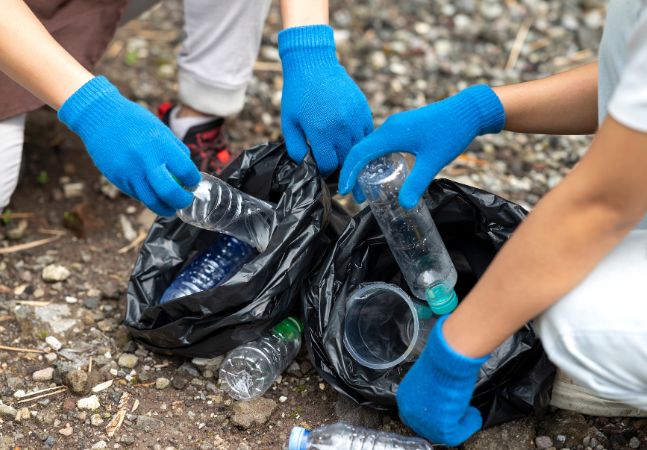
The EPA will now accept feedback through March 19 on a plan to remove contaminated sediment from the 1.5-mile Newark waterway.

PolyCera® will deliver 10 produced water treatment units to CNOOC offshore platforms, using its Titan ultrafiltration membranes and resin adsorption technology to meet discharge standards and support sustainable oil and gas production.
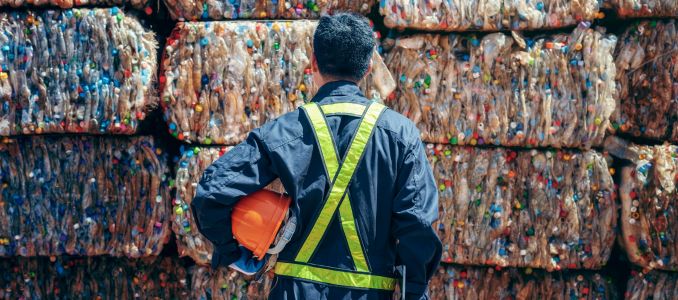
Businesses can reduce waste, save money, and support environmental goals by rethinking how they manage and offload excess inventory.

From SmartWay-certified carriers to renewable fuels and route optimization, third-party logistics providers are leading the charge in reducing emissions, saving fuel, and shaping a greener, more cost-effective supply chain.
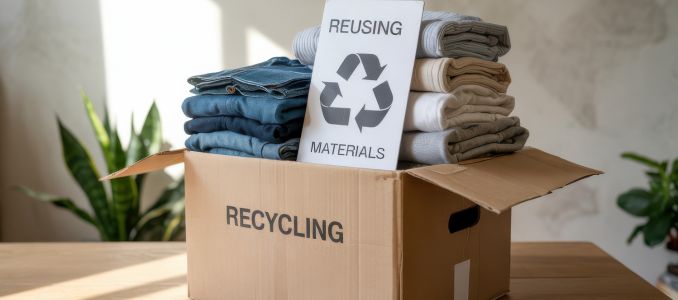
Recommerce helps protect the environment by cutting waste, conserving resources, and reducing carbon emissions.
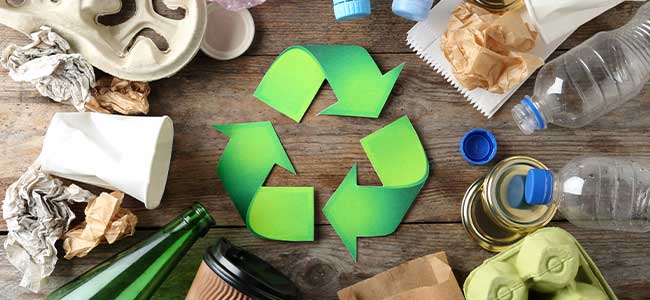
The EPA has made significant progress in recycling infrastructure and waste reduction, supported by the Bipartisan Infrastructure Law and community-focused grants.

Compostable materials offer a sustainable alternative to traditional plastics, helping to reduce waste, enhance soil health and support a circular economy.

Companies should implement eco-friendly strategies, such as sustainable packing materials and proper disposal, to reduce environmental impact during large-scale moves.

Promoting environmental protection through sustainable medical equipment is paramount in creating a more eco-friendly healthcare industry.

Making even a small change can have a positive impact on the environment.
The chemicals used to clean homes and businesses can have a negative impact on our planet.

What was the impact of plastic PPE during COVID-19?