Since its birth in 1970, Earth Day has become a worldwide movement to garner more attention for the environment, its resources and its species. While the movement has evolved over the years, its ultimate call to action has only gotten louder.
- By Amanda Smiley
- April 22, 2020

Just because you are at home, cooking more and testing your boredom does not mean you should forget about your carbon footprint reduction checklist. Here are the New York Times’ best at-home, eco-friendly steps that are easy.
The food supply chain is one area that will face many of the consequences of the coronavirus. However, opportunities arise from this situation as well.
- By Jenna Tsui
- April 15, 2020
Kicking off the first of a five-part series titled The Greenhouse, the New York Times has invited listeners around the U.S. to hear what climate journalists have to say about global warming climate change in the age of the coronavirus. Here’s a recap of the first event.
- By Amanda Smiley
- April 10, 2020
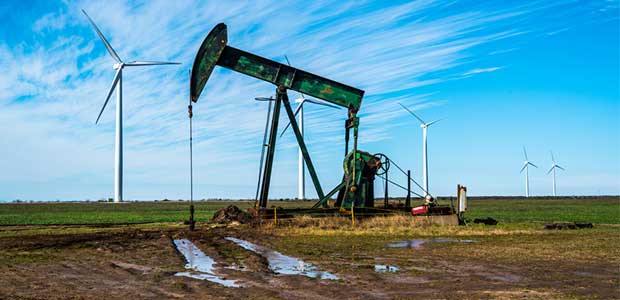
Energy experts classify oil as a nonrenewable resource. However, that doesn't mean people can't still abide by eco-friendly practices when using it.
- By Jenna Tsui
- March 18, 2020
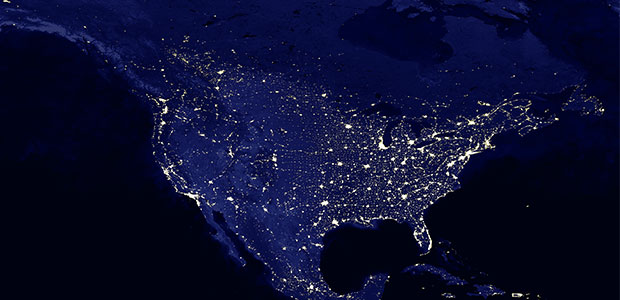
We take a closer look at the current environmental issues in the U.S., how it may be exacerbating these problems and what the country may do to resolve them.
- By Jenna Tsui
- February 24, 2020
In case you’re one of many people often confused about global warming and climate change, the New York Times published the most commonly asked questions and some pretty straightforward answers.
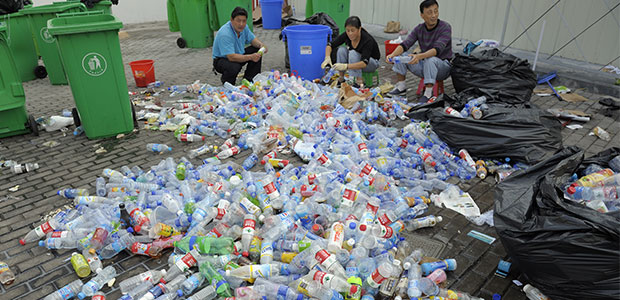
Here’s how recycling has changed in all 50 states since changes in China’s waste import laws—and what we should do about it.
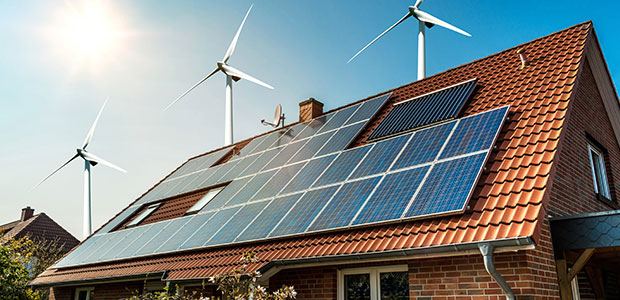
Not every green source of energy will suit your property, but you have several options. Here are three to get your brainstorming started.
- By Jenna Tsui
- January 27, 2020
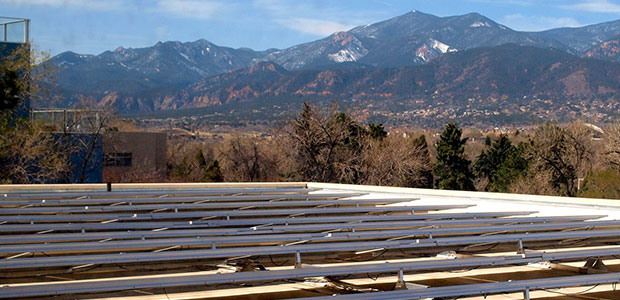
CC is the first in the Rocky Mountain Region to achieve this milestone—and it didn’t come without student activism and hard work. Now, other universities are following in suit.

The Environmental Security Technology Certification Program (ESTCP) released a request for proposals to fund environmental research and development starting in 2021. The pre-proposal deadline is March 5, 2020.
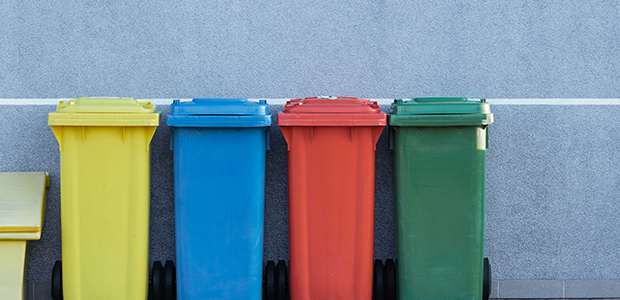
It may seem as though you can finish with any plastic item and throw it into the recycling bin when you're done. Not so fast—surprisingly, not all plastics can be reused.
- By Jenna Tsui
- January 16, 2020
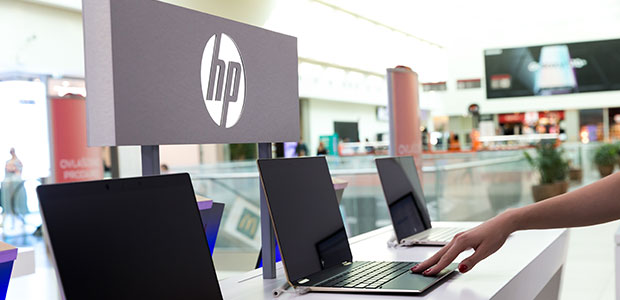
One of the world’s largest and most environmentally-conscious companies is not stopping its technological and eco-friendly innovation. It recently announced some new products you don’t want to miss.
- By Amanda Smiley
- January 07, 2020

At the COP25 this week, the World Meteorological Organization (WMO) issued its annual report on the state of global climate change. The data-heavy results are notable, and alarming.
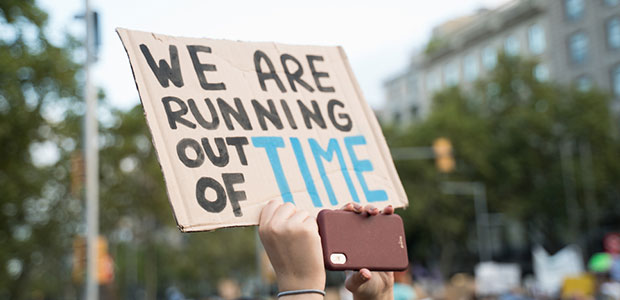
Madrid will host about 25,000 people this week for the 25th Conference of the Parties (COP) to the UN Convention on Climate Change. This summit really does mark the ‘point of no return’ for climate change discussions.

The annual World Energy Outlook was just released, and along with it, various forecasts for the future of energy sources and the climate crisis. Clean energy is growing, but not fast enough, it reports.
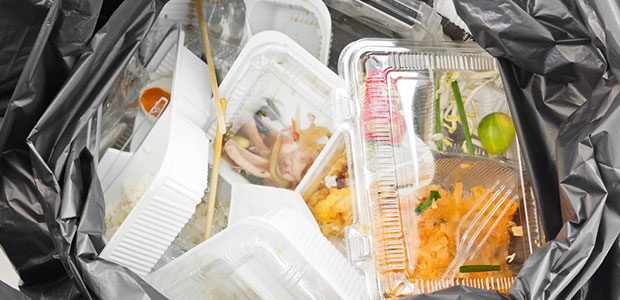
As of Oct. 30, the Winning on Reducing Food Waste Initiative launched by three federal agencies is making major strides in the food industry to address the widespread issue of wasted food products. Here’s what it’s all about.

When we talk about the many benefits of sustainability, we often overlook something: innovation.
- By Stephen Ashkin
- November 05, 2019
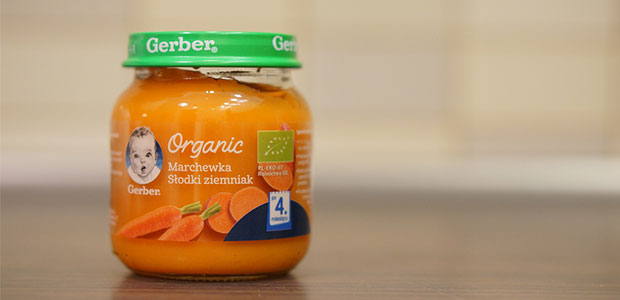
Now, that hard-to-recycle baby food packaging from Gerber can be put to good use. Through TerraCycle’s mail-in system, consumers can give new life to baby food packaging.

Dutch non-profit called The Ocean Cleanup just launched the Interceptor—a kind of autonomous, water vacuum to collect trash and plastic before it reaches the ocean. This massive cleanup effort is part of its overall goal of lessening plastic waste worldwide.