
Retiring pre-1998 diesel fleets via certified vehicle destruction programs eliminates toxic carbon emissions and drives measurable student academic gains.

International collaboration enters third year with new technical agreements on polypropylene and film recycling.
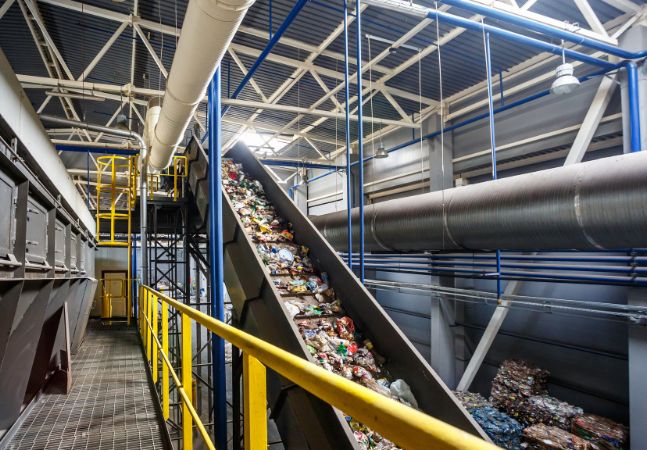
Domestic recycling capacity has dropped 25% as low-priced foreign plastic floods the market, industry leaders told federal trade officials.

The secondary technology market is booming. Discover how trade-in programs and refurbishment models turn ESG goals into massive commercial growth.
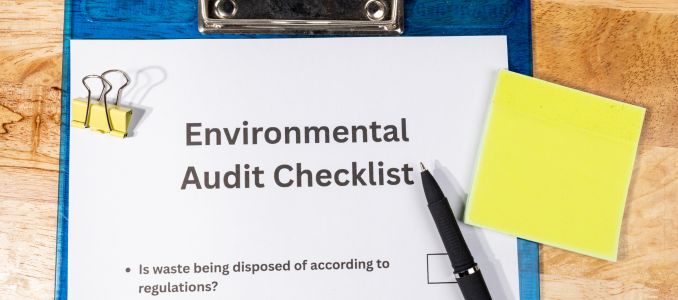
A two-year national initiative with the Recycled Materials Association will provide training, resources, and outreach to help recycling companies improve worker safety and reduce industry hazards.
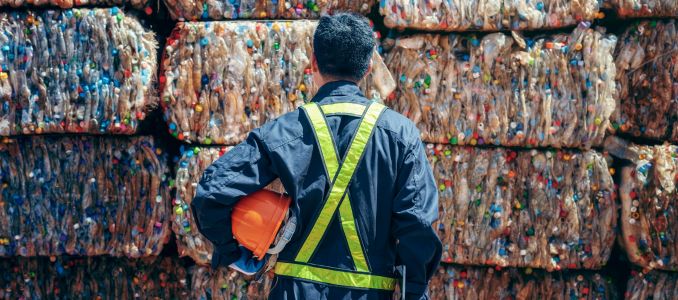
Businesses can reduce waste, save money, and support environmental goals by rethinking how they manage and offload excess inventory.

Eco-friendly products are everywhere—but are they truly sustainable or just clever marketing? This article uncovers what really makes a product green.
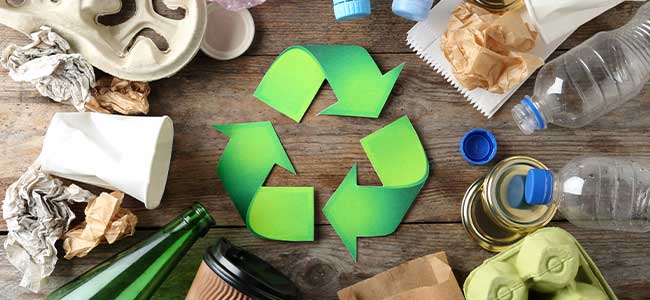
The EPA has made significant progress in recycling infrastructure and waste reduction, supported by the Bipartisan Infrastructure Law and community-focused grants.

Practical reuse initiatives in the workplace can significantly reduce waste and generate cost savings.

The new technology enables the comprehensive recycling of aerosol paint cans.

Discover effective ways to minimize your carbon footprint on a moving day. Embrace greener moving practices for a sustainable, eco-friendly relocation.

Making even a small change can have a positive impact on the environment.
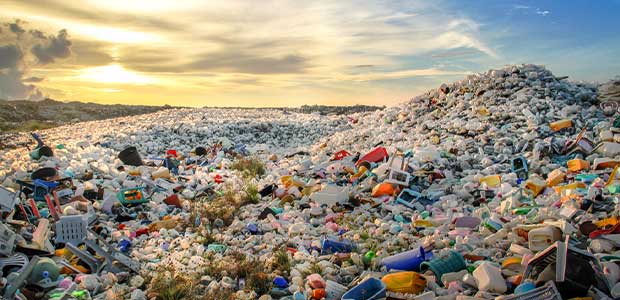
The chemicals used to clean homes and businesses can have a negative impact on our planet.

What was the impact of plastic PPE during COVID-19?
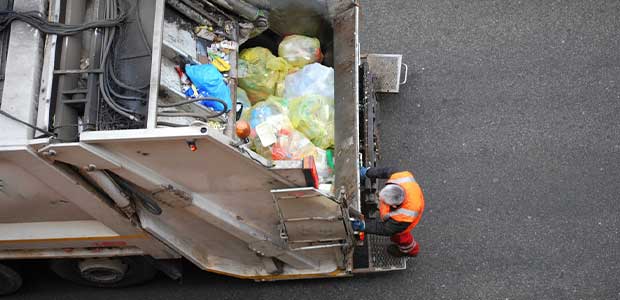
Although the amount of waste on our planet is estimated to increase, there are steps we can take now to change that.
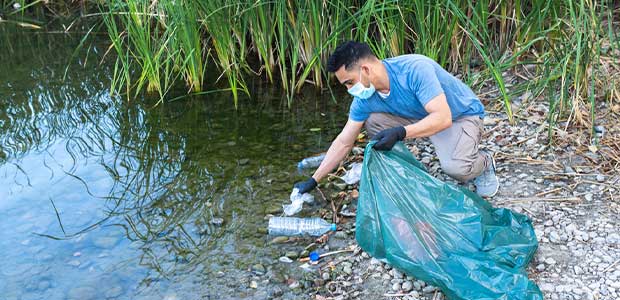
The EPA and the Biden Administration are seeking feedback on these programs.
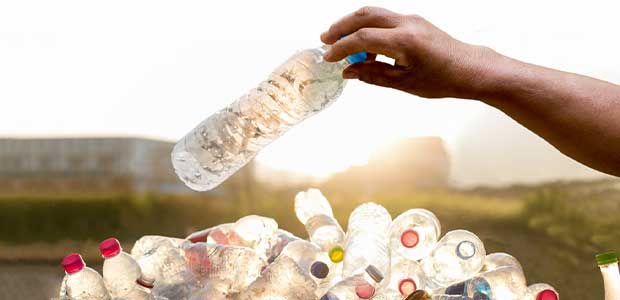
A new report estimates that the rate was 5 to 6 percent in 2021, down from 2018.
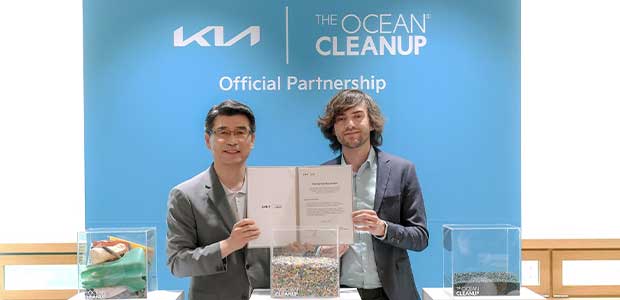
The alliance funds removing plastic from the oceans and reusing them in Kia processes.

Try using these ideas to kickstart your workforce’s new eco-friendly habits.
Gary Van Tassel II of CSX Transportation and his team made the traditional intermodal facility more efficient by implementing new technology and modernizing site layouts, which allow CSX to operate with a smaller footprint, fewer diesel utility trucks, a transition to electrified cranes, and significantly reduced truck dwell times.