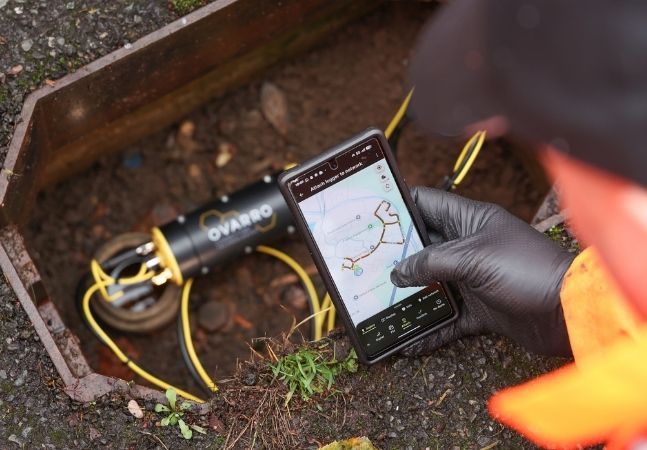
As extreme weather swings accelerate infrastructure damage, water utilities turn to advanced data analytics and automated acoustic tracking.

State health officials released a contractor-led study comparing the Suncor refinery to national standards to find further pollution reductions.
New retrofit kits allow commercial vessel operators to transition to sustainable fuels without replacing existing pump systems.
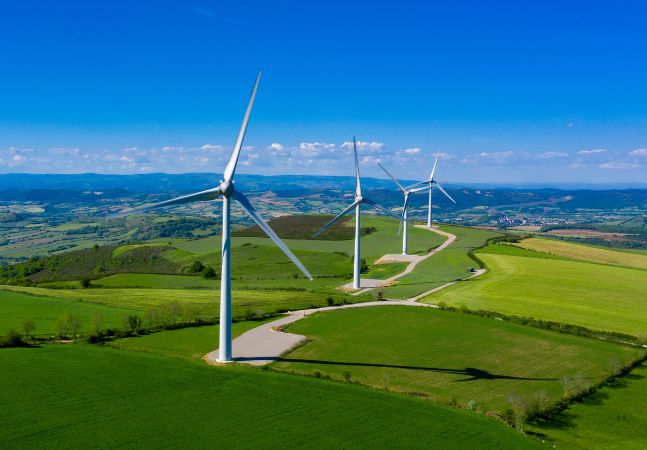
Mayors from across the globe say shifting away from fossil fuels is the most effective path to securing affordable and reliable power.
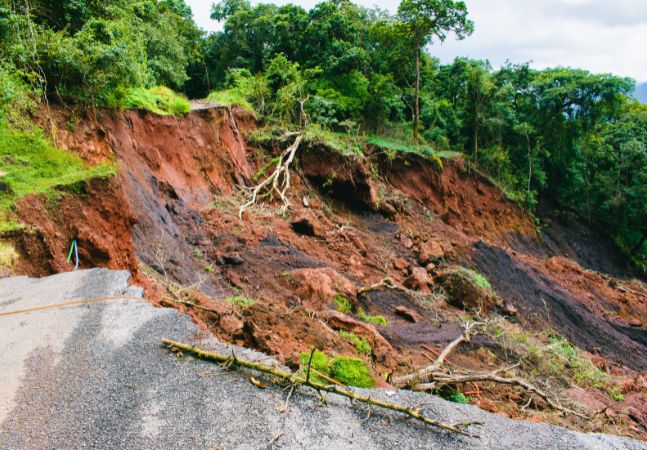
As extreme weather weakens terrain, new engineering and nature-based strategies are emerging to stabilize slopes and secure vital water networks.
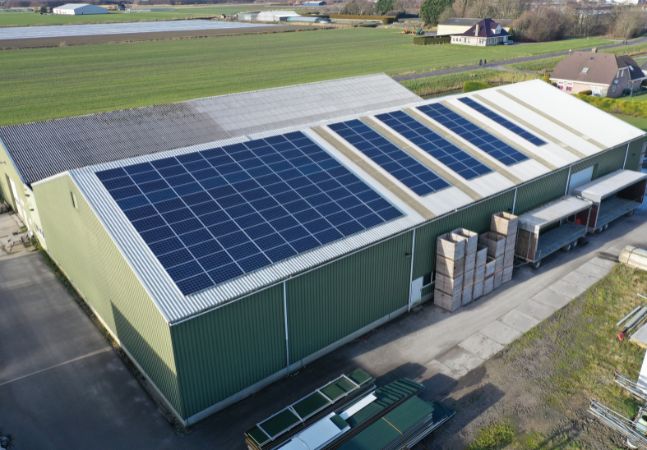
The competition recognizes companies implementing innovative technologies and integrated strategies to achieve decarbonization.

Context Labs launches OpenEPA to transform a decade of greenhouse gas reporting into a searchable and verifiable intelligence layer.
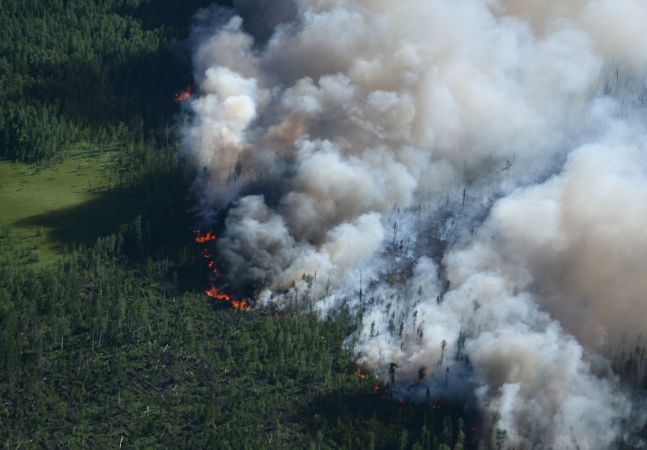
New IQAir report reveals only 14 percent of cities meet WHO standards while climate change and monitoring gaps threaten public health.

Researchers and students gather to develop resilience strategies and community-driven solutions for frontline environmental challenges.

Equinor is using autonomous robotic inspection at its Northern Lights CCS facility to improve CO₂ monitoring and safety.

A custom-designed WCSEE HiPAF system is helping an Oxfordshire reptile zoo manage fluctuating wastewater loads from animal habitats and visitor facilities while meeting strict environmental discharge standards.

Accu, Tandem Ventures and Project Seagrass have developed a towable underwater harvester designed to accelerate global seagrass restoration, using marine-grade fasteners capable of withstanding harsh ocean conditions.
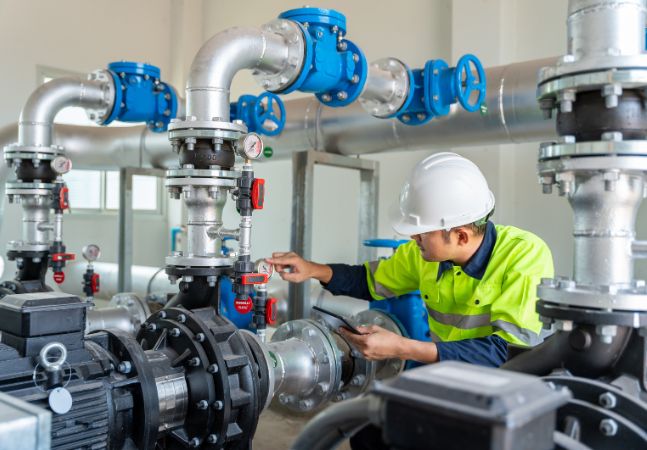
A new digital resource, the Water Innovation Strategy Ecosystem Guide, helps innovators navigate and connect across the UK and Ireland’s water sector, promoting cross-sector collaboration and sustainable progress.
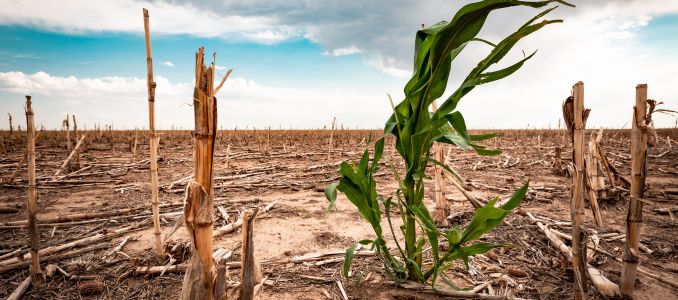
As global warming accelerates, erosion and water challenges are intensifying across coastlines and inland regions. Governments and scientists must collaborate on adaptive policies and sustainable land use to protect communities, conserve resources, and strengthen climate resilience.

As droughts grow more severe, utilities are using AI-driven leak detection and service-led models to conserve water, improve efficiency, and strengthen long-term climate resilience.
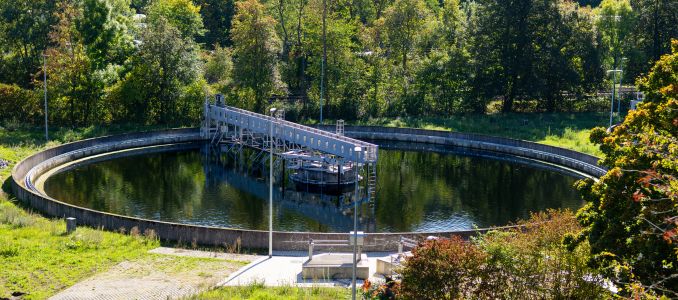
At the 2025 Innovation Summit in London, hosted by British Water and Bentley Systems, leaders across the water sector spotlighted new strategies to scale collaboration, funding, and technology adoption for sustainable water management.

Major technology companies are reshaping global renewable energy markets by investing billions in clean power, driving innovation, and influencing suppliers to adopt more sustainable practices.

PolyCera® will deliver 10 produced water treatment units to CNOOC offshore platforms, using its Titan ultrafiltration membranes and resin adsorption technology to meet discharge standards and support sustainable oil and gas production.

Advanced water technology helps Mexico City and Monterrey reduce leaks and improve supply for thousands of residents.

Dürr has delivered a turnkey paint shop at Volkswagen’s Puebla plant featuring electrified drying systems, driverless transport, and advanced overspray separation to cut CO₂ emissions by 40 percent.