
New Responsible Care performance data from the American Chemistry Council shows measurable reductions in emissions and energy intensity, highlighting continued progress in safety, transparency, and environmental stewardship across the U.S. chemical industry.
Award-winning technologies highlight advances in sustainability, compliance, and environmental performance across air, water, waste and safety.
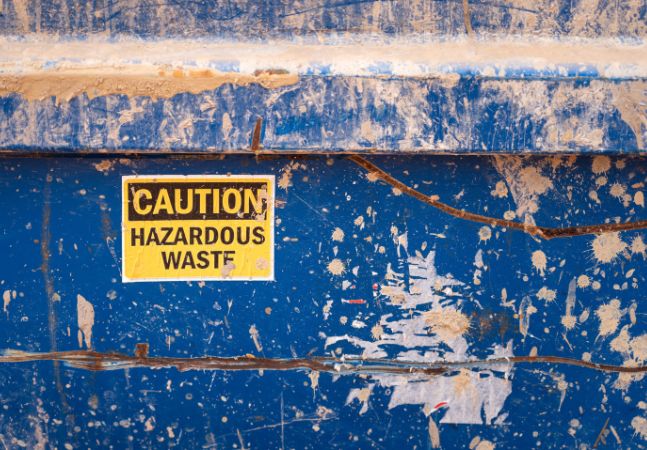
Engineered Polymer Solutions will pay a $306,436 penalty and complete corrective actions after EPA found improper hazardous waste management and air emissions violations at its Commerce, California, plant.
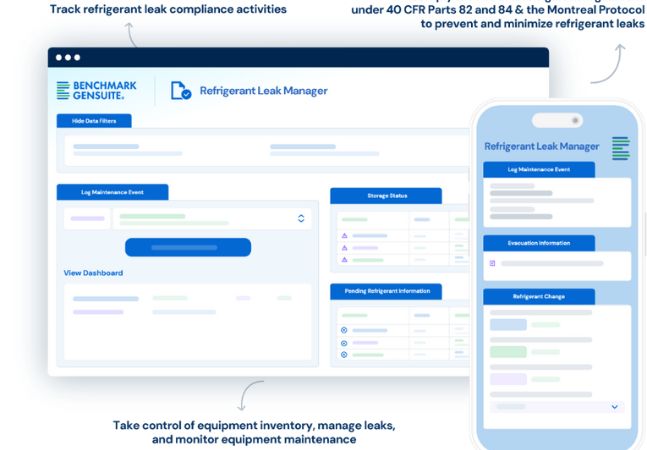
Benchmark Gensuite has expanded its Refrigerant Leak Manager with automated leak-rate thresholds, updated refrigerant libraries, and integrated compliance workflows, positioning facilities for the stricter EPA refrigerant-management requirements taking effect in 2026.

The Environmental Protection Agency has started a yearlong project to remove and contain uranium-contaminated waste rock from the Lukachukai Mining District Superfund Site in northeastern Arizona.
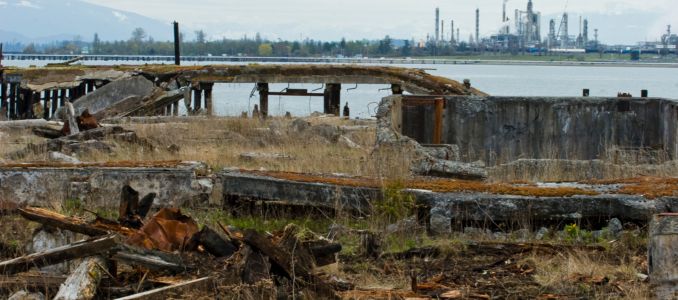
New federal guidance sets stronger standards for lead cleanup at contaminated sites, aiming to protect communities and children while streamlining remediation efforts nationwide.
The EPA is broadening its PFAS reporting requirements by adding sodium perfluorohexanesulfonate to the Toxics Release Inventory, reinforcing federal efforts to increase chemical transparency and accountability.

Experts at Harvard Climate Action Week warn of escalating climate and health risks and call for coordinated action to protect vulnerable communities.

The Newark Housing Authority has reached settlements with EPA and HUD to address lead paint hazards at 11 properties, requiring testing, abatement, and improved compliance to better protect thousands of residents.

Rain, snow, and ice increase fuel use, delay deliveries, and raise emissions, but fleets that plan routes, train drivers, and maintain equipment can reduce costs and stay on schedule.
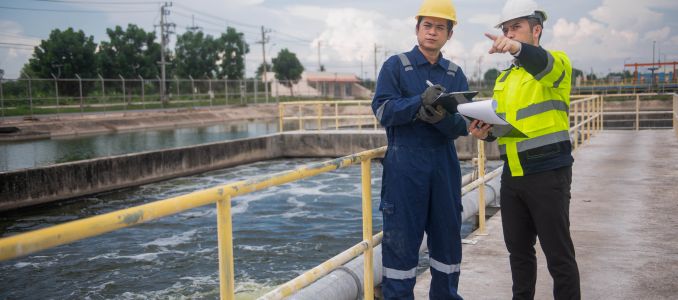
As oversight agencies face funding cuts and weakened authority, lawsuits are emerging as a critical tool to uncover contamination, hold polluters accountable, and protect communities from toxic exposures.

Advanced water technology helps Mexico City and Monterrey reduce leaks and improve supply for thousands of residents.

The new voluntary program connects farms, food providers, and military bases with communities in need, aiming to cut food waste, save families money, and reduce landfill impacts.

The Colorado Circular Communities Enterprise awarded funding to build a new Material Recovery Facility, expanding recycling access in rural and underserved areas while boosting the state’s circular economy.

An exclusive agreement positions SMS as the preferred services provider for deploying and supporting EIS’s real-time environmental monitoring technologies across hospitals, higher education, life sciences, and government facilities.

The updated online portal centralizes active EPA guidance documents, giving businesses, organizations, and the public streamlined access to information on air, water, waste, and other environmental programs.
The agency reports continued progress across air, land and water protection, including major cleanups, pollution control, and water infrastructure investments.
Veteran budget strategist steps into top financial role at the Environmental Protection Agency, guiding oversight of billions in public funds.

The Lake Guardian sets out to assess the health of all five Great Lakes, collecting data on plankton, nutrients, and water quality to guide environmental protection efforts.

The VOICE order mandates agency-wide equity plans, environmental justice officers, and data-driven tools to address pollution and health disparities.