
The new Clean Air Act permit allows use of vapor control tech at the Texas GulfLink deepwater port, aiming to reduce emissions even as crude oil exports increase.

The expansion of the Clean Air Act requires all U.S. companies to report air emissions to the EPA starting in 2026. With major changes, new deadlines, and stricter enforcement underway, businesses must prepare now—or risk violations, inquiries, and penalties.
- By Brad Franzen, George Sullivan

The Environmental Protection Agency has resolved 175 refinery exemption petitions dating back to 2016, granting full or partial relief to 140 facilities while reaffirming its policy to balance refinery hardship with renewable fuel mandates.
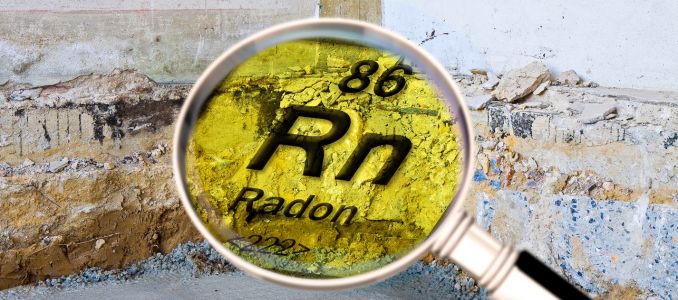
Radon is an invisible gas linked to lung cancer, posing the greatest risk to vulnerable groups in poorly ventilated homes—making education and testing essential.

Two new public web pages address common questions, misconceptions, and scientific concerns related to high-altitude emissions and climate intervention techniques.

From fine particulate emissions to noise and vibration, unchecked construction activity in expanding cities poses growing environmental and health threats.

With smoke risks increasing nationwide, officials are equipping households, schools, and workplaces with actionable strategies to safeguard health during wildfire season.

Federal officials say more than 300 sales of a disinfectant wipe product violated labeling requirements designed to ensure public safety and product effectiveness.

Indoor air quality is gaining recognition as a critical element of industrial hygiene, essential for protecting worker health and safety in enclosed environments.
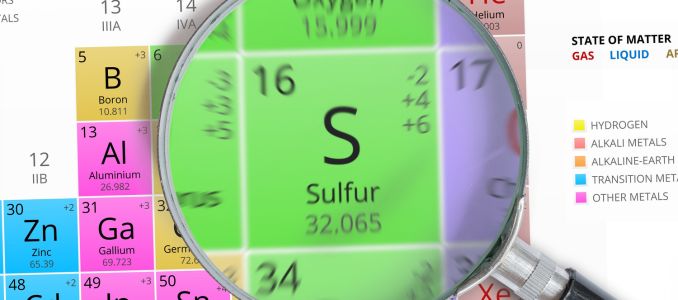
EPA investigates controversial startup for unauthorized sulfur dioxide releases in climate cooling scheme.
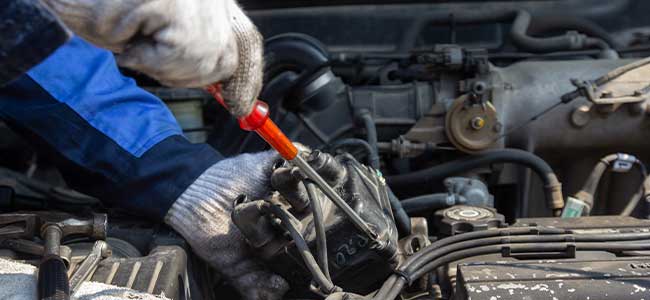
Meyer Distributing will pay $7.4 million and fund a $1.2 million clean air project after selling illegal emissions defeat devices.
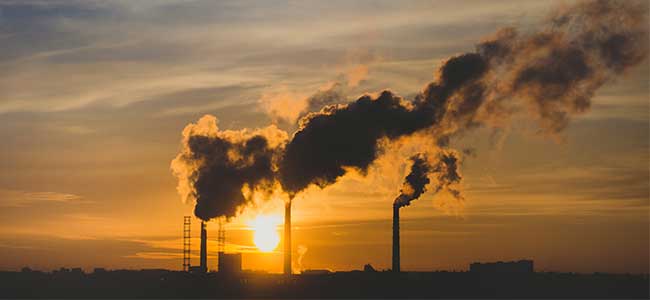
The EPA and DOE are investing $850 million to reduce methane emissions from the oil and gas sector through advanced technologies and community-focused initiatives.
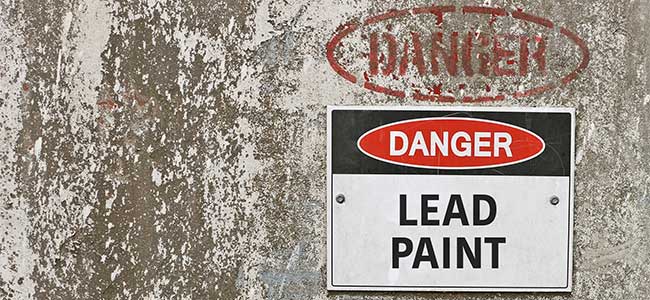
The EPA has introduced stricter standards for lead paint dust in homes and childcare facilities to protect children's health, particularly in vulnerable communities.
This fuel waiver aims to mitigate shortages in Illinois, Indiana, Michigan and Wisconsin.
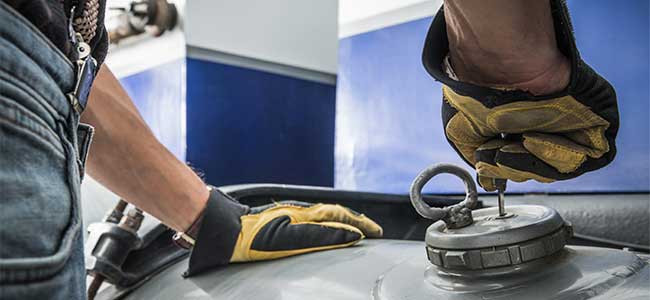
Ultra-low sulfur diesel (ULSD) significantly reduces emissions and environmental impact by lowering sulfur content and enabling advanced emission control technologies.
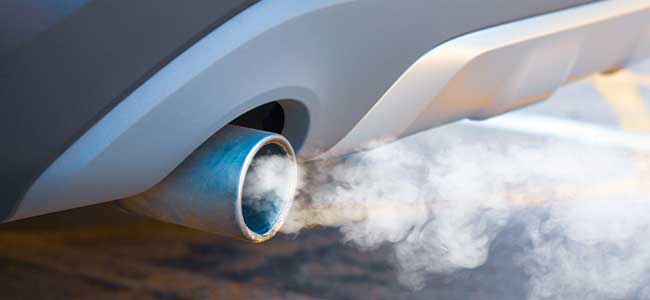
EPA announces $9 million in grants for tribes and territories to reduce diesel emissions, aiming to improve public health and support local economies.

The Clean Heavy-Duty Vehicles Grant Program supports efforts to replace vehicles with zero-emiession alternatives.
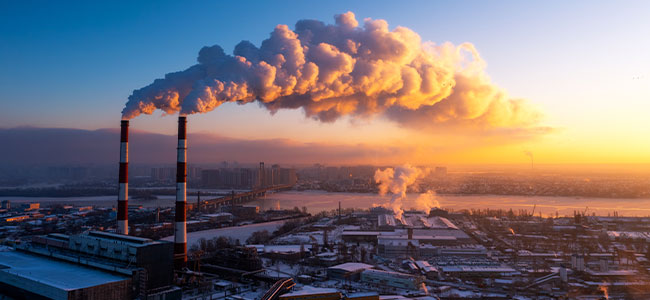
Companies verified by third-party auditors reported a 7.5 percent annual drop in emissions.

The EPA was instrumental in launching the Global Methane Initiative in 2004.

Real-time monitoring and SMART building technologies can significantly reduce energy consumption and help the U.S. meet its ambitious carbon reduction targets.