
A rotting food crisis and highly toxic smoke led community members to request state intervention following a major warehouse blaze.

Evolving EPA enforcement strategies under the Clean Air Act's Risk Management Program require chemical facility managers to bridge worker process safety with community emergency response documentation.
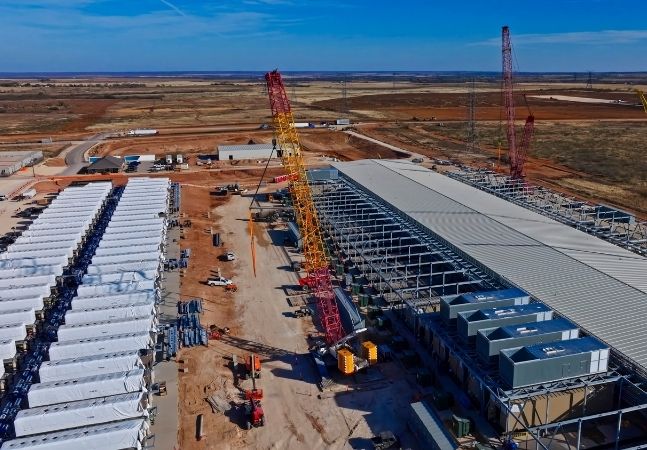
Environmental and health organizations argue a proposed rule allowing industrial polluters to build before securing permits violates the Clean Air Act.
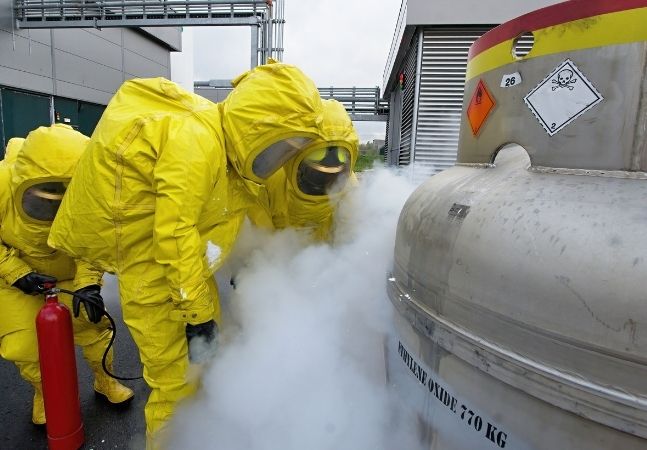
Delayed public warnings, lack of real-time air monitoring and potential regulatory rollbacks on commercial sterilizers expose urban communities to hazardous ethylene oxide emissions.
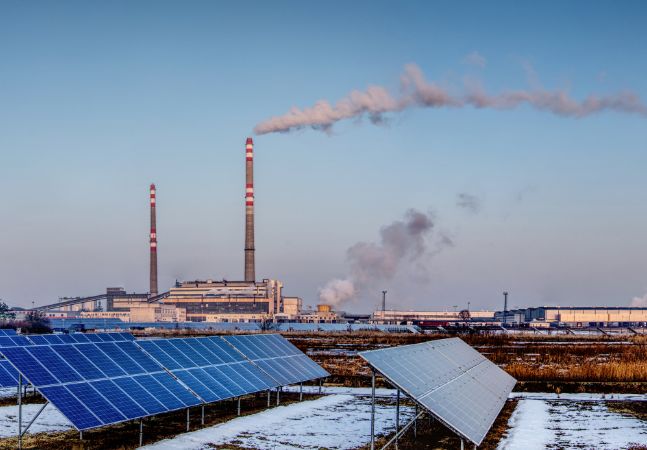
New research reveals that particulate matter from coal-fired plants acts as a "hidden drag" by blocking sunlight from reaching solar panels.

Moving day doesn't mean a clean slate for your lungs. Learn how to identify and clear out the chemical and biological history left by previous owners.

State health officials released a contractor-led study comparing the Suncor refinery to national standards to find further pollution reductions.
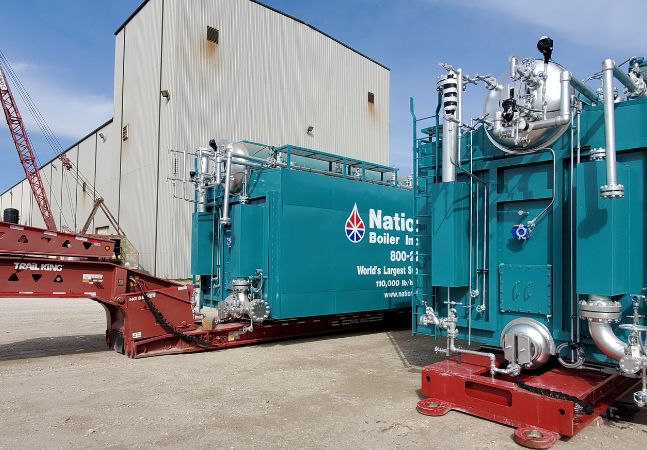
Trailer-mounted saturated and superheated steam boilers deliver high-output performance, fuel flexibility and low-NOx emissions for petrochemical and heavy industrial use.
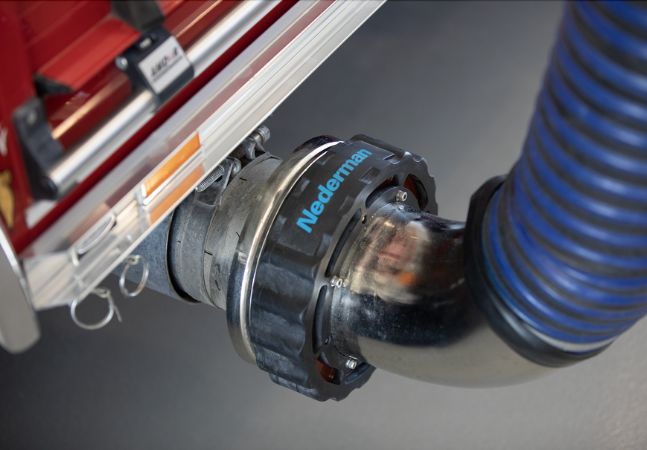
Magna Systems technology targets diesel exhaust at the source to improve fire station air quality and protect firefighters.
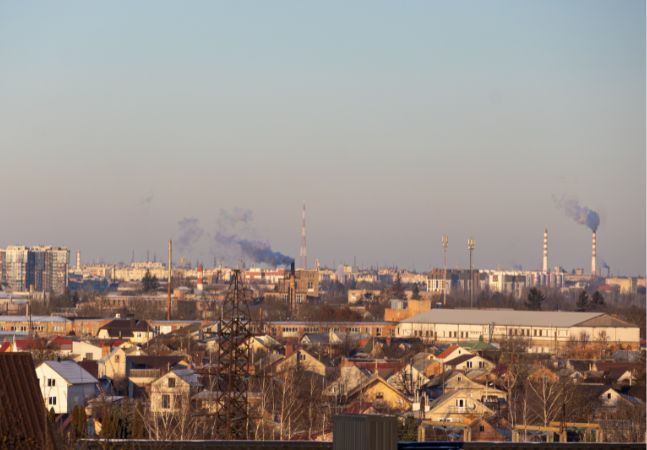
New regulations require industrial facilities to slash emissions of five high-priority pollutants to protect public health.
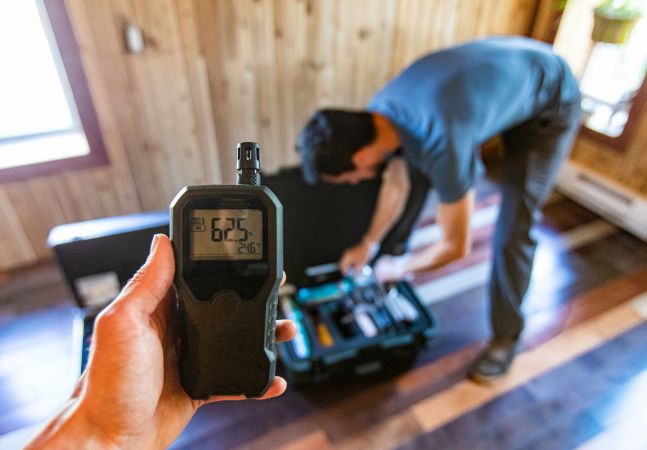
New agreement integrates cleaning and mold remediation resources through shared education, advocacy and membership benefits.
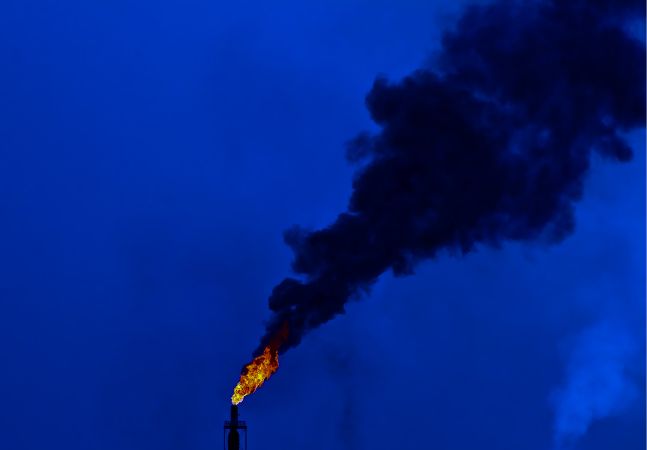
New satellite data and field investigations reveal frequent methane super-emitter events at Targa midstream facilities.
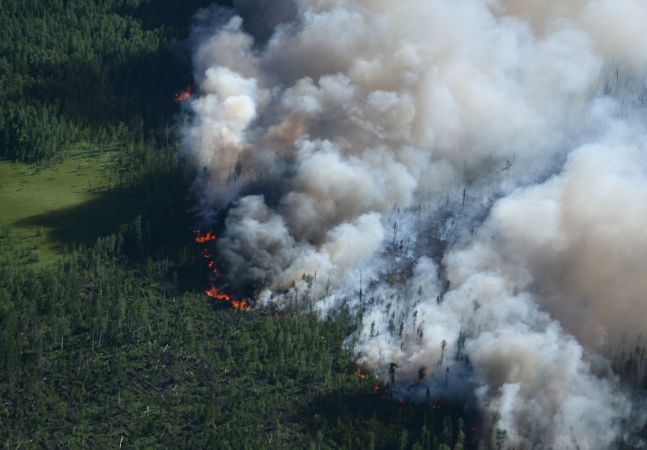
New IQAir report reveals only 14 percent of cities meet WHO standards while climate change and monitoring gaps threaten public health.
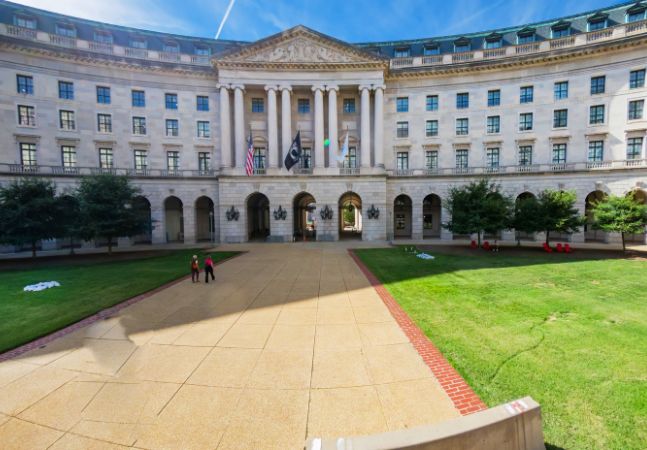
Seven technical experts will provide scientific guidance to the agency on national air quality standards through 2028.
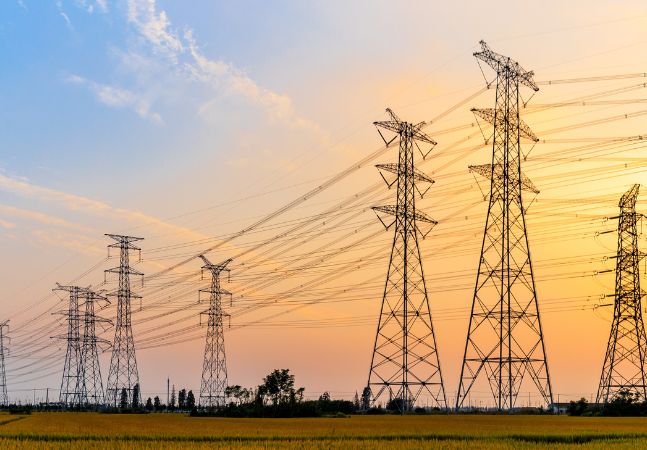
The agency clarifies that states should consider energy impacts and power grid stability when drafting air quality plans for coal plants.
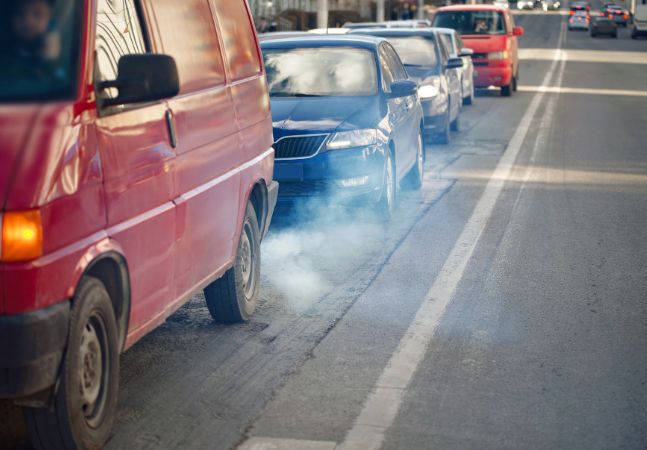
Colorado officials said the state will continue pursuing clean transportation and air quality initiatives as it reviews a federal rollback affecting greenhouse gas emissions standards for cars and trucks.

The agency has revoked its 2009 greenhouse gas endangerment finding, a major shift that could impact Clean Air Act emissions standards and future environmental regulations.

Proposed updates under the Clean Air Act would affect how state air quality plans addressing ozone pollution are reviewed and implemented.
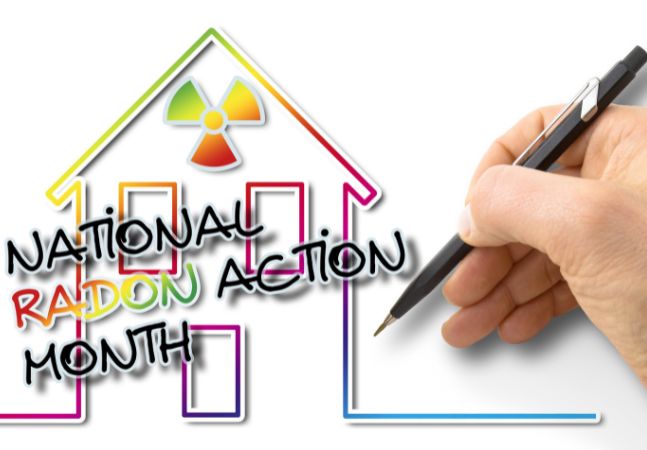
State officials urge residents to test homes during winter heating season, when indoor radon levels are typically highest.
The Colorado Air Quality Control Commission has approved a broad set of regulations and State Implementation Plan updates designed to reduce ozone-forming emissions from upstream oil and gas operations, expand leak detection requirements, and strengthen controls across several high-polluting sectors.