
This multipart article analyzes and shares viewpoints on the progress of smart grid initiatives specific to achieving the goals of sustainability in the next decade.
- By Balaji Natarajan, Ashiss K Dash

Even though many view environmental protection as coming with an extra cost, a California caterer has managed to cut costs tremendously by going green.
During these difficult economic times, it is more important than ever for businesses to effectively manage their risk -- in order to survive the myriad of factors that might otherwise undermine their financial performance and threaten their long-term viability.
- By Barbara W. Deas , Todd C. LaBandt
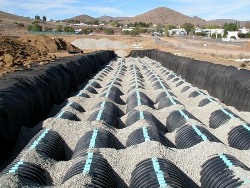
Engineers create a detention system that follows city mandate to keep stormwater discharge to pre-development levels.
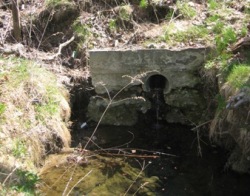
Phase II stormwater permit renewals to require investments in time and resources.
When many people think of industrial chemicals, they think of those scary-looking yellow drums, containing unknown but almost certainly hazardous goo. A new industry initiative, though hopes to change that by giving consumers more information on the chemicals they use every day.
Operated at the well head by service providers, turnkey water treatment systems reduce the cost of cleaning frack water by as much as 50 percent
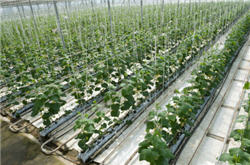
Gotham Greens, a hydroponics greenhouse facility, sits on a warehouse rooftop and brings new meaning to the phrase "locally grown" – especially atop a 15,000-square-foot manufacturing building in Greenpoint, Brooklyn.
In July 2011, polychlorinated biphenyls (PCBs) were detected at Westport Middle School in Westport, Mass. An inspection determined that PCBs from caulk used around the window had leaked into adjoining masonry. Now, the town may need to spend more than $100,000 to remediate the school.
Greenhouse gas auditing is predicted to be one of the next biggest global industries as more countries are attempting cut down their carbon footprint and have passed laws requiring corporations to dramatically reduce their levels of pollution. However, serious questions have been raised as to how profitable this industry will be, and whether it is even worth investing in at such an early stage.
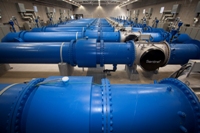
With a capacity of treating 315 million gallons of water per day, this new $114 million ultraviolet water treatment facility is now the largest-capacity facility of its kind in California and the third largest in North America.

Since Mt. Olive Pickle Company began analyzing its wastewater data electronically, it's seen a host of benefits. The solution saves time, allows better communication and even enables the company to file required reports with the state electronically.
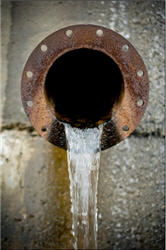
While water scarcity presents a global crisis, one software-as-a-service company is using technology to reduce water loss through faulty infrastructures.

Sprint's headquarters irrigates its campus via a a rainwater collection system, which has proven to be a boon for both the company's bank account and the environment.
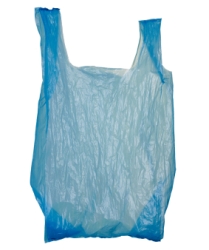
A Dow Plastics pilot program recovered 96 percent of potential energy from waste plastics burned to fuel an incinerator.
The United States is lagging behind other countries when it comes down to overall recycling efforts. As the world’s largest trash producing country at 1,609 pounds of trash per person, per year, according to the U.S. Environmental Protection Agency, it raises questions why the land of opportunity isn’t taking advantage of its position to help reduce some of the Earth’s greenhouse gas emissions.
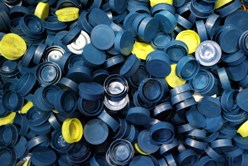
Through a combination of developing new technology and strategic use of materials, GM has transitioned 74 of its 140-odd plants into landfill-free facilities.
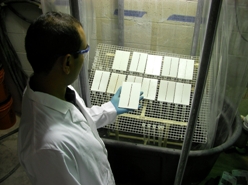
Chemically bonded phosphate ceramics create a passivation layer that stops corrosion and is protected by a tough ceramic outer layer. These compounds protect metal from corrosion better than other options, such as polymer paints, and are less expensive than using stainless steel.
As traditional brick-and-mortar colleges experience an influx in enrollment, many institutions wonder if they have the capacity to meet future educational demands. Due to substantial increases in applicants, many colleges have had to turn more and more people away.
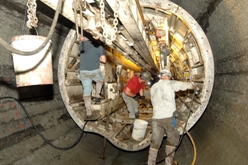
In response to community concerns, Kentucky’s Louisville Water Company thought up a gravity-fed riverbank filtration system that connects to a mile-and-a-half-long tunnel leading to a treatment plant.