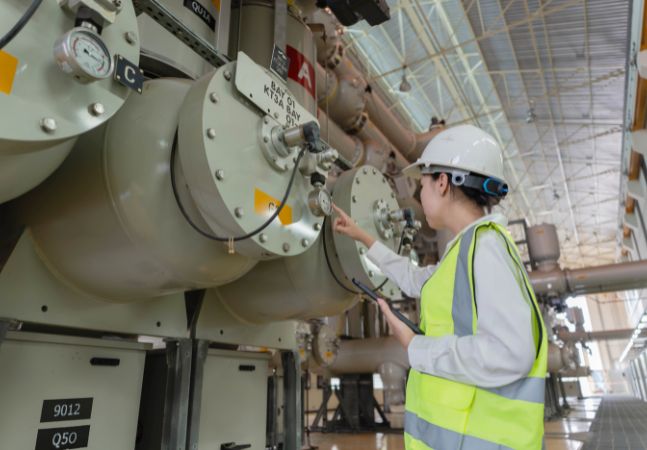
Discover how industrial energy audits uncover hidden inefficiencies, reduce carbon emissions, and save manufacturers up to 30% on utility costs.

Temporary storage and warehousing offer convenience, but their hidden environmental costs include high energy use, land consumption, transportation emissions, and packaging waste.
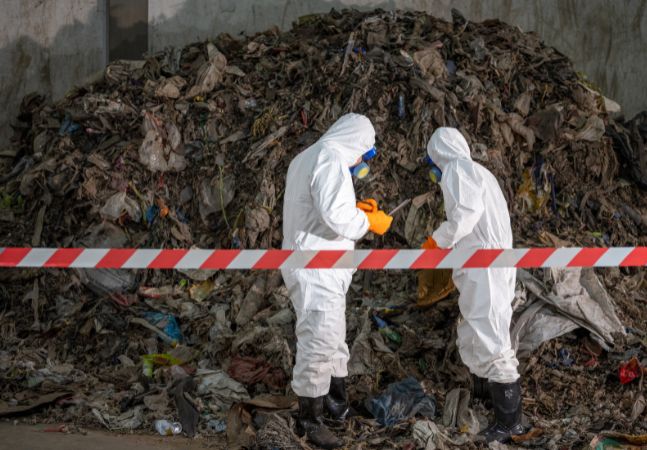
Premises liability for environmental incidents includes chemical spills, air emissions, runoff violations, and legacy contamination, creating regulatory and legal risk for property owners and operators.

Biotech and pharma facilities face complex environmental compliance challenges involving hazardous waste, emissions, lab safety, and regulatory audits. Learn the risks and best practices.
Agency announces up to $3.2 million to support community-based environmental education projects nationwide.
Small shifts in usage can have a big impact.
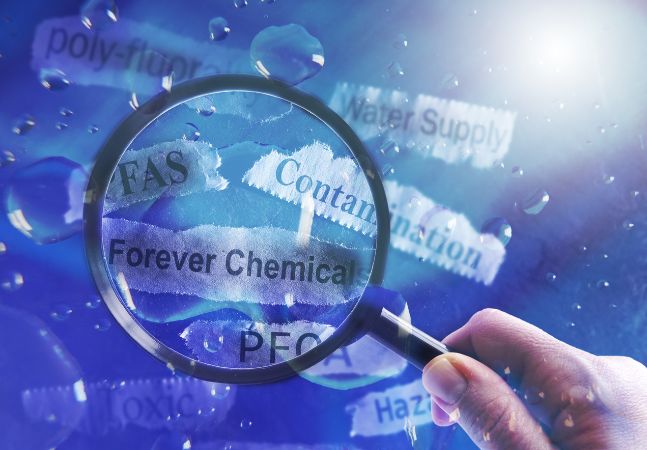
Researchers are exploring emerging methods to break down PFAS and other “forever chemicals,” aiming to reduce long-term environmental and health risks.
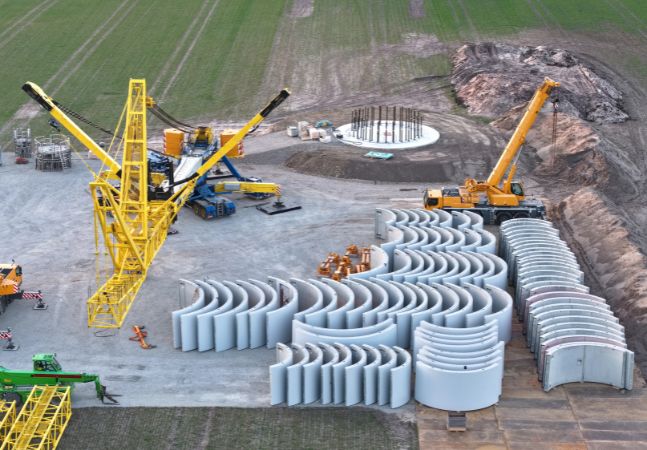
Many building and infrastructure codes still rely on historical climate data, even as storms, heat, and flooding intensify—creating growing risks for communities, economies, and resilience planning.

Differences in water sources, treatment methods, and infrastructure can affect household habits, conservation efforts, and long-term sustainability after a move.
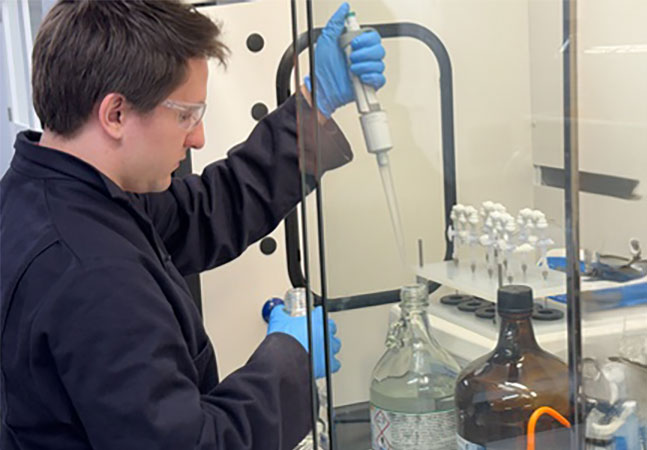
New DOD Labs unit will provide EPA-approved analytical testing for PFAS in water, soil, and other environmental samples.
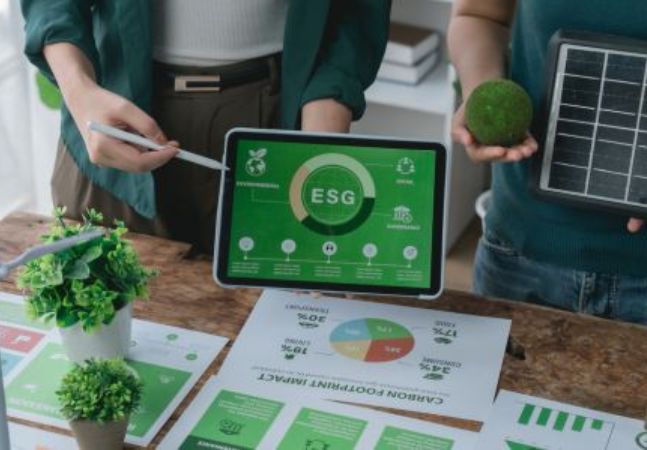
As companies rely more heavily on AI for sustainability reporting, experts warn that unchecked automation can introduce errors, undermine credibility, and increase disclosure risk.
- By Olga Bodiagina , Irina Fitzgerald
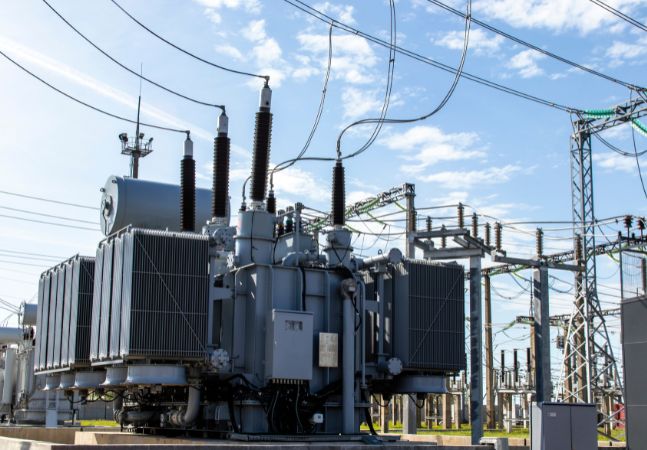
Advances in transformer design, monitoring and materials are helping utilities reduce oil leaks, minimize environmental impact and improve the sustainability of power distribution systems.
Award-winning technologies highlight advances in sustainability, compliance, and environmental performance across air, water, waste and safety.
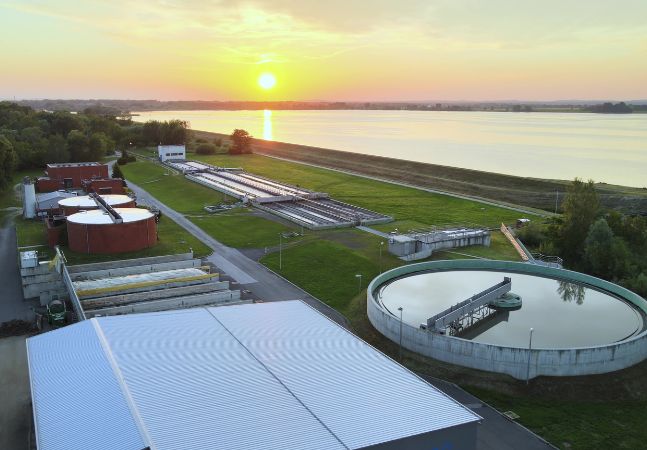
University of Pittsburgh, Drexel, and Brookhaven scientists have identified key catalyst design principles that enable safer, more stable ozone generation through water electrolysis—paving the way for cleaner, chlorine-free disinfection in hospitals and water treatment systems.

Rapidly expanding cities offer opportunity, but growth often brings hidden environmental challenges. Before relocating, evaluate water quality, waste management, air pollution, heat risks, and natural disasters to protect your long-term health and comfort.
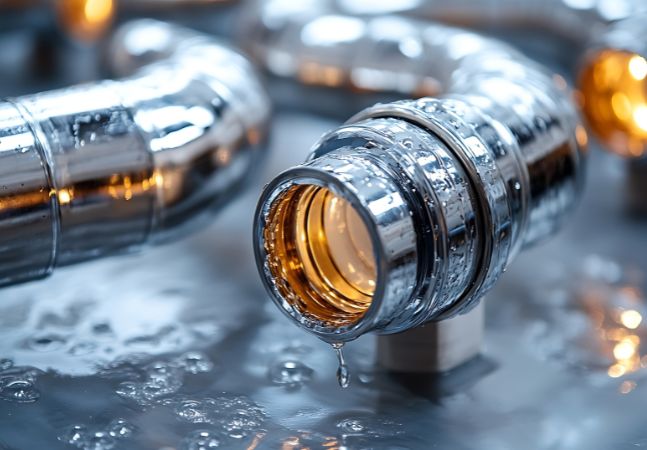
With internal water leaks now the leading cause of commercial property damage—and insurance deductibles reaching six figures—building owners are turning to next-generation WLD technology that eliminates false alarms, extends battery life, and delivers reliable whole-building coverage.
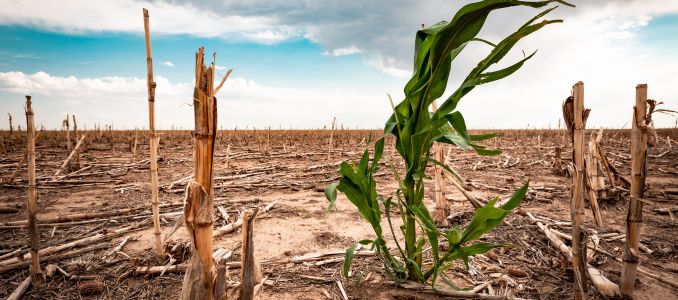
As global warming accelerates, erosion and water challenges are intensifying across coastlines and inland regions. Governments and scientists must collaborate on adaptive policies and sustainable land use to protect communities, conserve resources, and strengthen climate resilience.
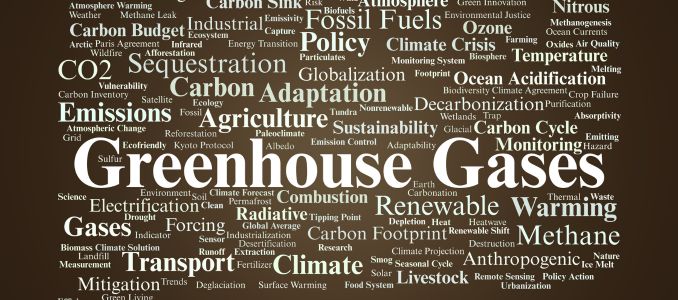
Senators Sheldon Whitehouse and Kevin Cramer are urging the Environmental Protection Agency to withdraw its proposal to end key portions of the Greenhouse Gas Reporting Program, citing risks to environmental transparency, compliance tracking, and workplace safety oversight.
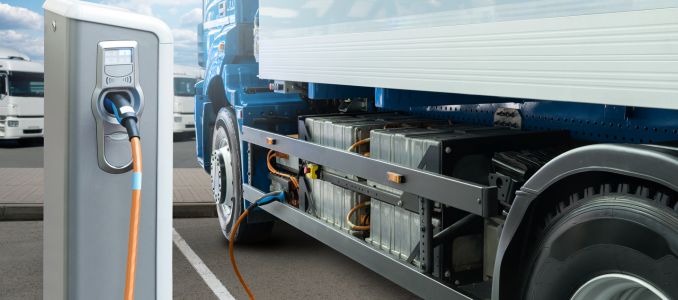
The logistics industry is rapidly transitioning toward electric fleets as sustainability becomes a business imperative. Lower emissions, reduced fuel costs, and data-driven efficiency are redefining how companies move goods and manage long-term growth.
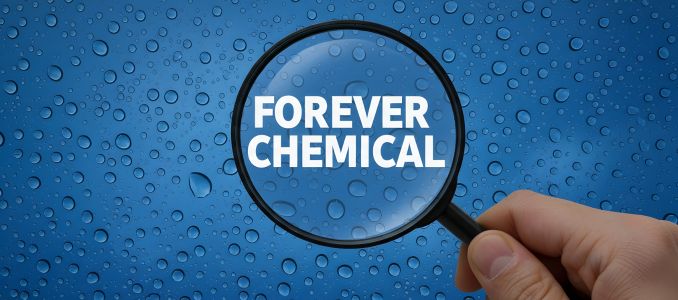
Researchers are developing innovative methods — from plasma reactors to sound waves — to break down PFAS “forever chemicals” without harming the environment.