
A new partnership between Integral Consulting and Verdi Technology integrates scientific expertise with advanced data analytics to help EV and battery manufacturers improve chemical safety, compliance, and sustainability across the value chain.
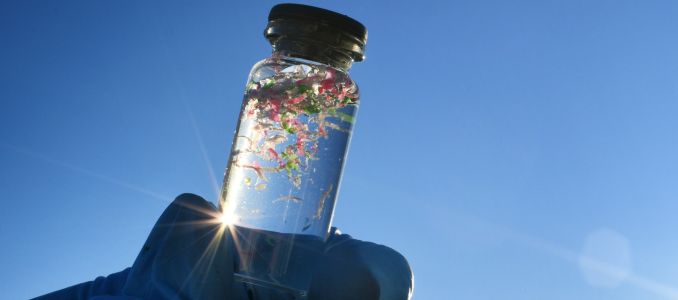
PFAS, pharmaceuticals, and microplastics are infiltrating drinking water worldwide. Researchers and regulators are racing to understand their health risks and find ways to remove them."

The agency’s latest tools will help public water systems nationwide strengthen cyber resilience, prevent disruptions, and protect access to safe drinking water.

As droughts grow more severe, utilities are using AI-driven leak detection and service-led models to conserve water, improve efficiency, and strengthen long-term climate resilience.
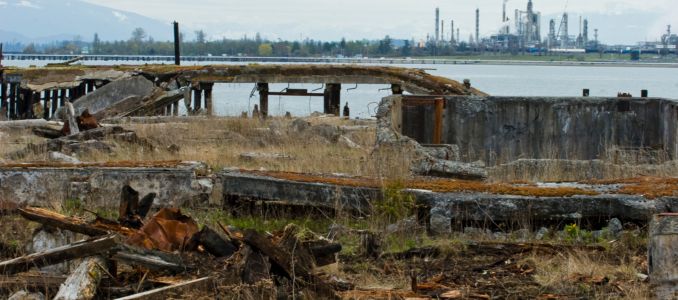
New federal guidance sets stronger standards for lead cleanup at contaminated sites, aiming to protect communities and children while streamlining remediation efforts nationwide.
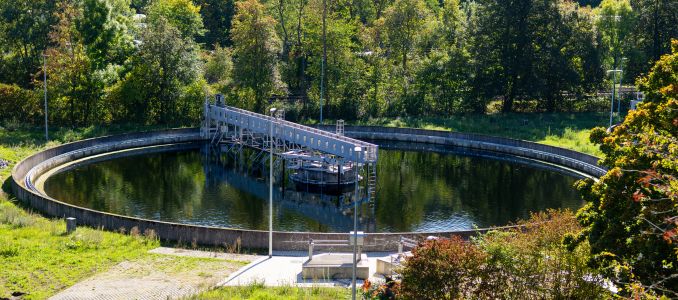
At the 2025 Innovation Summit in London, hosted by British Water and Bentley Systems, leaders across the water sector spotlighted new strategies to scale collaboration, funding, and technology adoption for sustainable water management.

The Michigan Department of Education and EGLE announced new grants supporting 23 school districts with funding for 97 electric and propane buses, pushing the state’s clean-fueled fleet close to 900 vehicles.
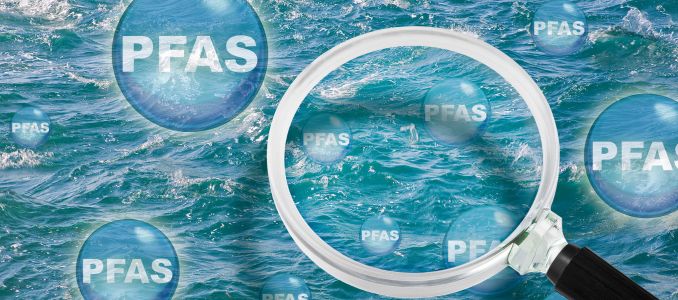
The EPA is broadening its PFAS reporting requirements by adding sodium perfluorohexanesulfonate to the Toxics Release Inventory, reinforcing federal efforts to increase chemical transparency and accountability.
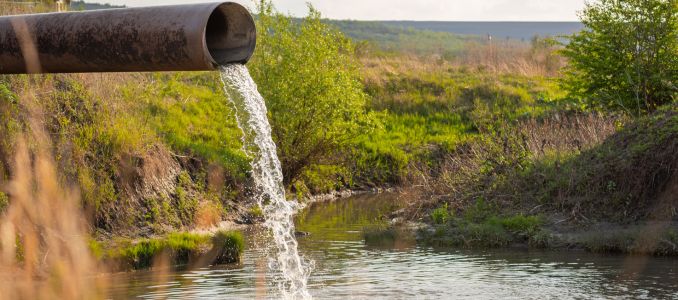
Significant updates to the Charles George Landfill cleanup plan will improve groundwater capture, expand treatment capacity, and address emerging contaminants at the Massachusetts Superfund site.

EPA Region 3 and the Virginia Department of Agriculture and Consumer Services have signed a landmark agreement to strengthen collaboration on sustainable farming, environmental protection, regulatory programs, and water quality initiatives.

Experts at Harvard Climate Action Week warn of escalating climate and health risks and call for coordinated action to protect vulnerable communities.

The landmark deal funds water quality improvements, ecosystem restoration, and long-term operational upgrades for Maryland’s largest renewable energy facility.

Investments in modern grid technologies are driving decarbonization, protecting natural resources, and strengthening energy resilience against extreme weather.

Major technology companies are reshaping global renewable energy markets by investing billions in clean power, driving innovation, and influencing suppliers to adopt more sustainable practices.

The Newark Housing Authority has reached settlements with EPA and HUD to address lead paint hazards at 11 properties, requiring testing, abatement, and improved compliance to better protect thousands of residents.

PolyCera® will deliver 10 produced water treatment units to CNOOC offshore platforms, using its Titan ultrafiltration membranes and resin adsorption technology to meet discharge standards and support sustainable oil and gas production.

Rain, snow, and ice increase fuel use, delay deliveries, and raise emissions, but fleets that plan routes, train drivers, and maintain equipment can reduce costs and stay on schedule.

Food processing plants must combine swift first-aid response with strict allergen controls, training, and safety culture to protect both workers and consumers from life-threatening reactions.
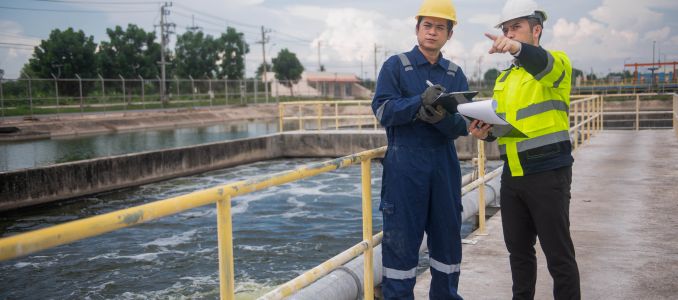
As oversight agencies face funding cuts and weakened authority, lawsuits are emerging as a critical tool to uncover contamination, hold polluters accountable, and protect communities from toxic exposures.

Advanced water technology helps Mexico City and Monterrey reduce leaks and improve supply for thousands of residents.