
A custom-designed WCSEE HiPAF system is helping an Oxfordshire reptile zoo manage fluctuating wastewater loads from animal habitats and visitor facilities while meeting strict environmental discharge standards.

Federal inspectors say El Super and Smart & Final stores sold unregistered disinfectant products containing hazardous ingredients, leading to a $472,369 settlement and the removal of all affected products from store shelves.

Accu, Tandem Ventures and Project Seagrass have developed a towable underwater harvester designed to accelerate global seagrass restoration, using marine-grade fasteners capable of withstanding harsh ocean conditions.
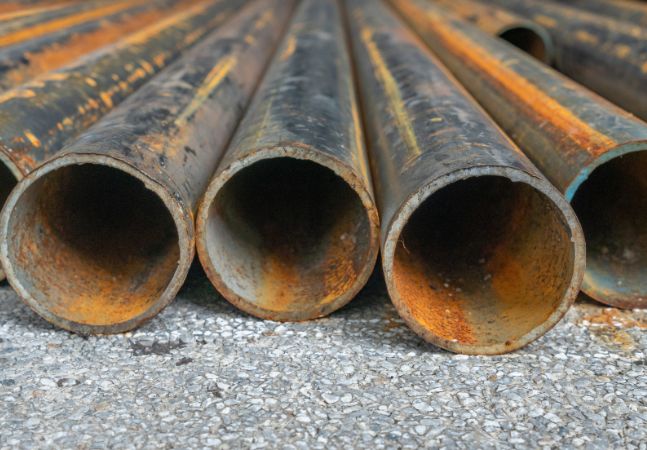
The EPA is directing new federal investments, updated lead service line data, and a national inventory dashboard to help states replace lead pipes faster, strengthen accountability, and protect children from lead contamination.

Federal regulators issue a penalty after uncovering widespread renovation violations, failures to follow lead-safe practices, and serious risks to families in older homes.
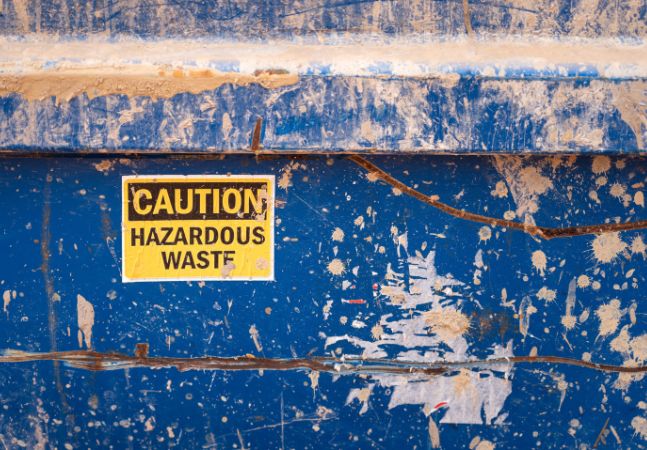
Engineered Polymer Solutions will pay a $306,436 penalty and complete corrective actions after EPA found improper hazardous waste management and air emissions violations at its Commerce, California, plant.
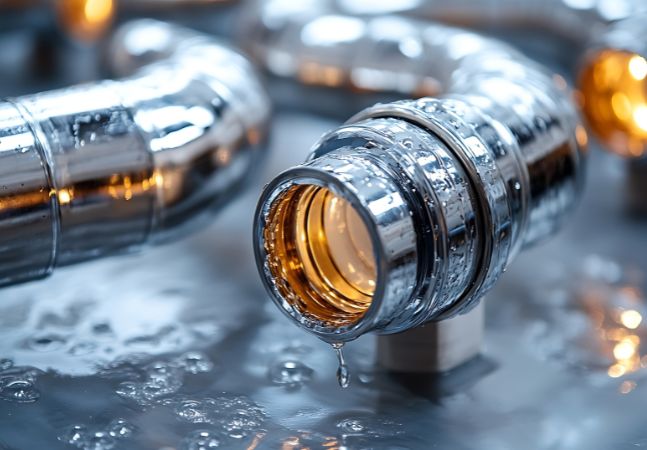
With internal water leaks now the leading cause of commercial property damage—and insurance deductibles reaching six figures—building owners are turning to next-generation WLD technology that eliminates false alarms, extends battery life, and delivers reliable whole-building coverage.

The Colorado Air Quality Control Commission has approved a broad set of regulations and State Implementation Plan updates designed to reduce ozone-forming emissions from upstream oil and gas operations, expand leak detection requirements, and strengthen controls across several high-polluting sectors.
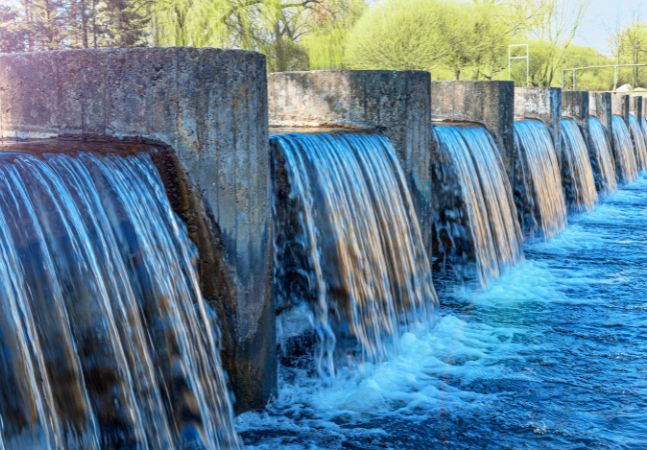
The Environmental Protection Agency has opened new funding through the Water Infrastructure Finance and Innovation Act to support major drinking water and wastewater upgrades nationwide, while approving five additional loans for critical infrastructure projects.

East Tennessee State University and Virginia Tech are partnering on a $3.7 million NIH-funded trial to evaluate whether low-cost countertop filters can reduce waterborne illnesses among rural Appalachian households that rely on unregulated private wells and springs.
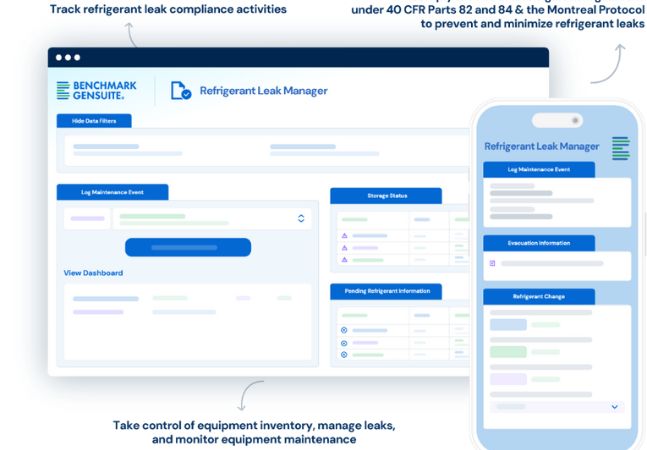
Benchmark Gensuite has expanded its Refrigerant Leak Manager with automated leak-rate thresholds, updated refrigerant libraries, and integrated compliance workflows, positioning facilities for the stricter EPA refrigerant-management requirements taking effect in 2026.
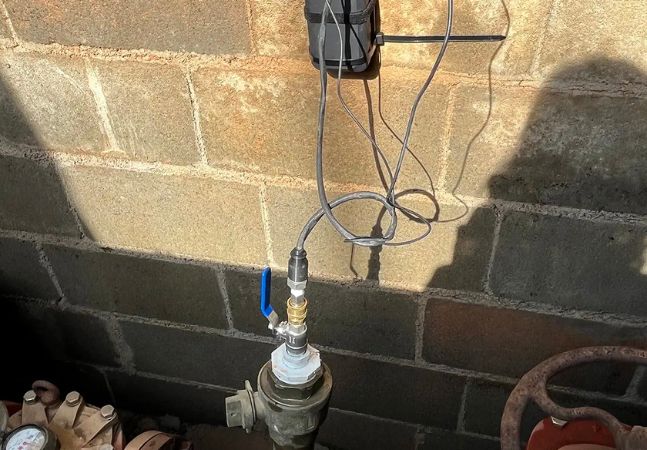
A new pressure-monitoring pilot with Orbis Intelligent Systems is giving Clayton County Water Authority real-time visibility into network performance, helping operators stabilize pressure, prevent service disruptions and prepare for extreme weather.

The agency’s plan would exempt low-concentration PFAS, imported articles and certain by-products while preserving data collection on long-term chemical risks.

A new digital resource, the Water Innovation Strategy Ecosystem Guide, helps innovators navigate and connect across the UK and Ireland’s water sector, promoting cross-sector collaboration and sustainable progress.

As global warming accelerates, erosion and water challenges are intensifying across coastlines and inland regions. Governments and scientists must collaborate on adaptive policies and sustainable land use to protect communities, conserve resources, and strengthen climate resilience.

Senators Sheldon Whitehouse and Kevin Cramer are urging the Environmental Protection Agency to withdraw its proposal to end key portions of the Greenhouse Gas Reporting Program, citing risks to environmental transparency, compliance tracking, and workplace safety oversight.

The logistics industry is rapidly transitioning toward electric fleets as sustainability becomes a business imperative. Lower emissions, reduced fuel costs, and data-driven efficiency are redefining how companies move goods and manage long-term growth.
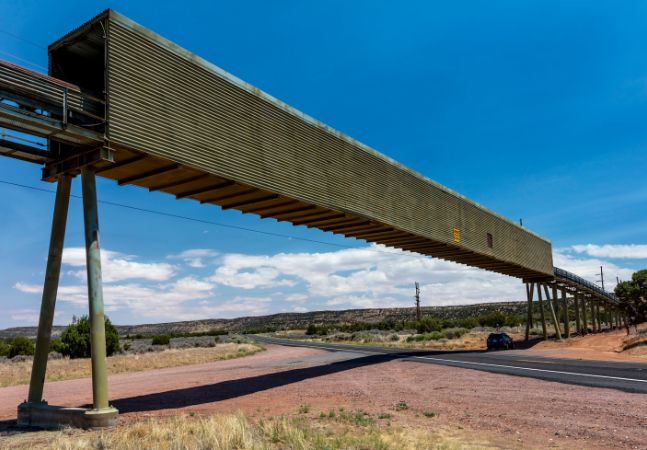
The Environmental Protection Agency has started a yearlong project to remove and contain uranium-contaminated waste rock from the Lukachukai Mining District Superfund Site in northeastern Arizona.
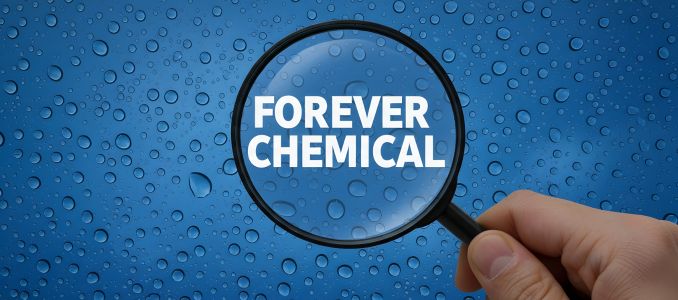
Researchers are developing innovative methods — from plasma reactors to sound waves — to break down PFAS “forever chemicals” without harming the environment.

Federal and state regulators have approved an aquifer exemption clearing the way for in-situ copper recovery at Lisbon Valley, balancing mineral demand with groundwater protection.