
The agency clarifies that states should consider energy impacts and power grid stability when drafting air quality plans for coal plants.
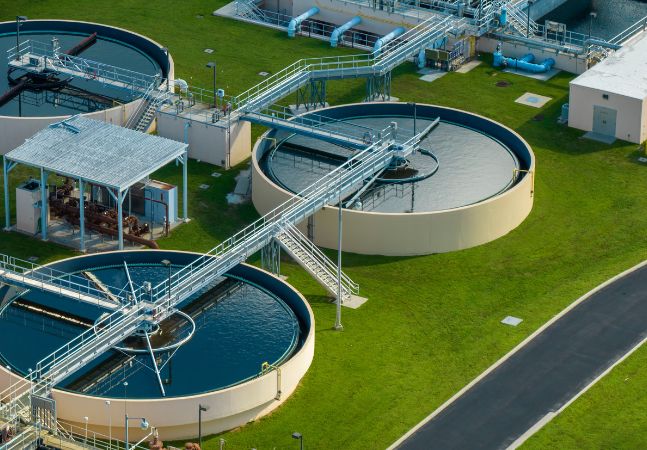
Amy Van Blarcom-Lackey toured Pennsylvania’s Wyoming Valley to review brownfield reclamation and water infrastructure.
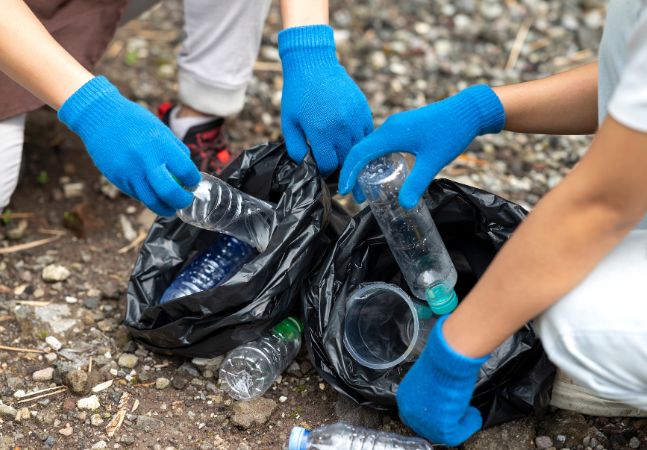
The EPA will now accept feedback through March 19 on a plan to remove contaminated sediment from the 1.5-mile Newark waterway.

The agency is seeking public input on gas, hydrogen, and biofuel options for school fleets while canceling the 2024 rebate funding round.
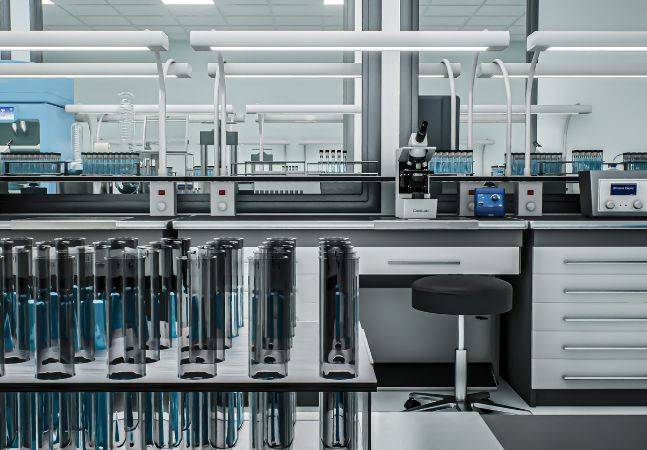
Thrive Buildings has launched ThriveIQ, a managed services platform using FDD and an independent data layer to sustain optimization in critical environments.

Colorado officials said the state will continue pursuing clean transportation and air quality initiatives as it reviews a federal rollback affecting greenhouse gas emissions standards for cars and trucks.

The agency has revoked its 2009 greenhouse gas endangerment finding, a major shift that could impact Clean Air Act emissions standards and future environmental regulations.

Temporary storage and warehousing offer convenience, but their hidden environmental costs include high energy use, land consumption, transportation emissions, and packaging waste.
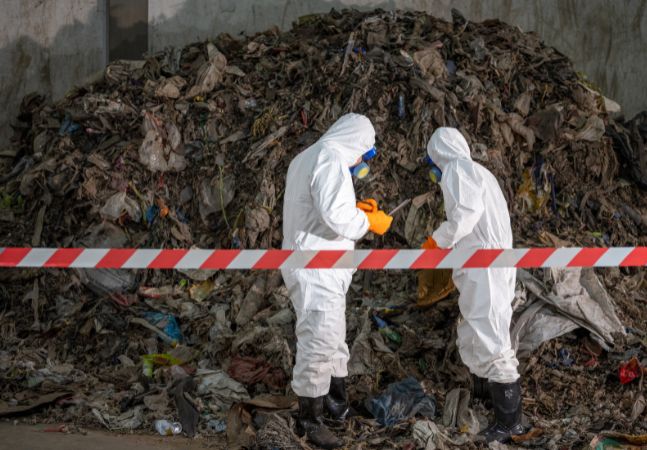
Premises liability for environmental incidents includes chemical spills, air emissions, runoff violations, and legacy contamination, creating regulatory and legal risk for property owners and operators.
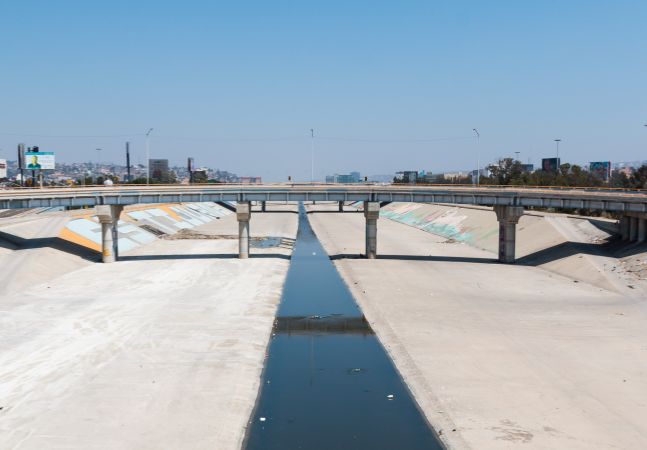
Administrator Lee Zeldin returned to San Diego to highlight progress on a long-term, cross-border plan aimed at stopping sewage flows and reducing environmental and public health impacts.
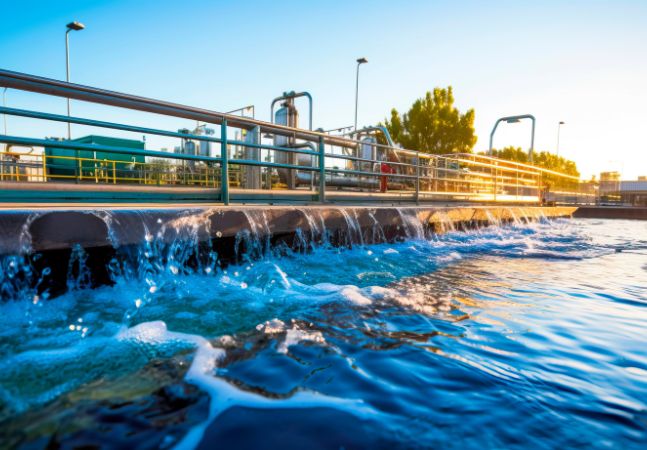
EPA Region 1 recognized seven wastewater treatment facilities and professionals across New England for excellence in operations, training, and industrial pretreatment programs.
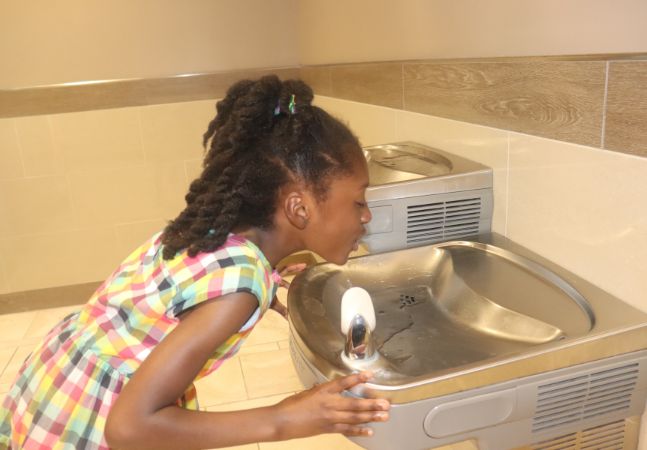
Colorado’s Test and Fix Water for Kids Program has tested more than 62,000 drinking water fixtures at schools and child care facilities to reduce lead exposure.
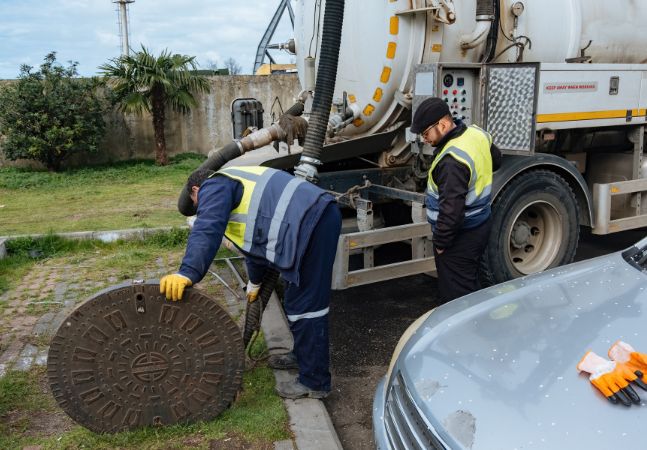
The transaction expands EnviroVac’s environmental and industrial services capabilities while strengthening the company’s national footprint.
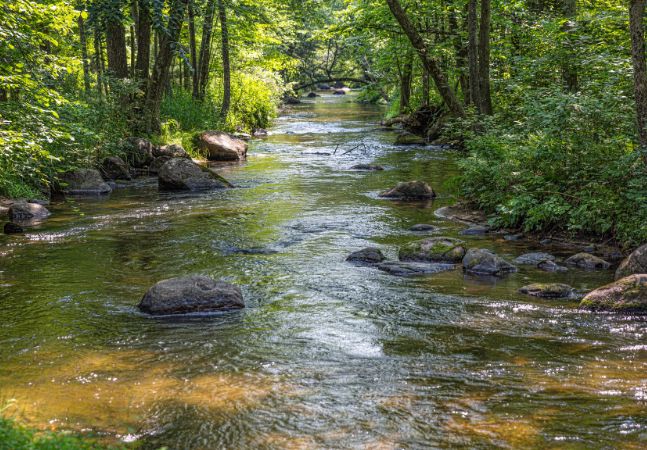
Michigan EGLE is accepting applications for 2026 MiCorps grants supporting volunteer stream cleanup and water quality monitoring across the state.

Biotech and pharma facilities face complex environmental compliance challenges involving hazardous waste, emissions, lab safety, and regulatory audits. Learn the risks and best practices.

Proposed updates under the Clean Air Act would affect how state air quality plans addressing ozone pollution are reviewed and implemented.
Agency announces up to $3.2 million to support community-based environmental education projects nationwide.
The agency will significantly reduce mammalian animal testing in chemical safety evaluations and expand the use of alternative scientific methods.

The open-access resource outlines how utilities, regulators, and funders support innovation—offering lessons for U.S. water systems.

Small shifts in usage can have a big impact.