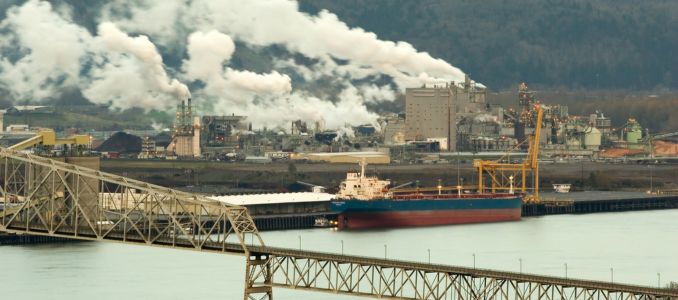
A chemical tank rupture in Longview spilled 500,000 gallons of corrosive liquid, marking one of the nation's deadliest workplace disasters in years.
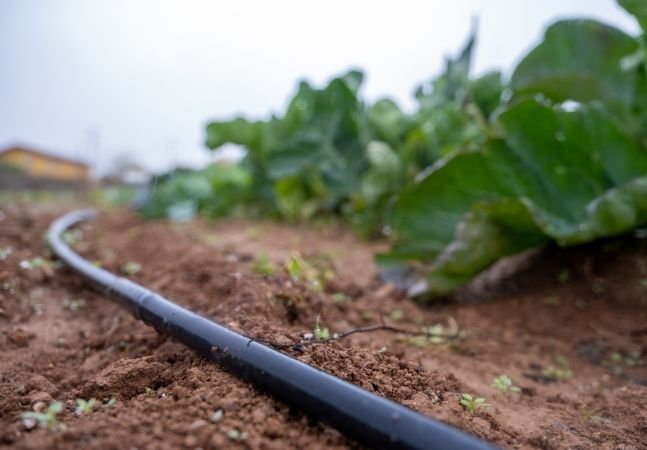
A new step-by-step framework helps companies identify and mitigate water-related risks across global farming supply networks.
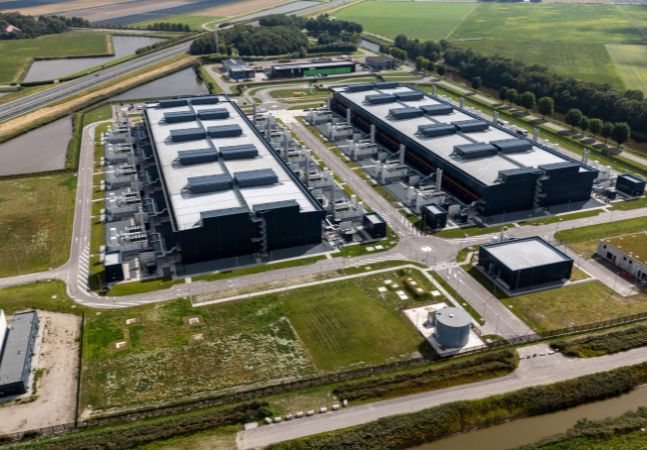
The recommendations call for increased transparency, stronger environmental reviews, and greater community oversight as utilities and developers continue expanding large-scale AI infrastructure nationwide.
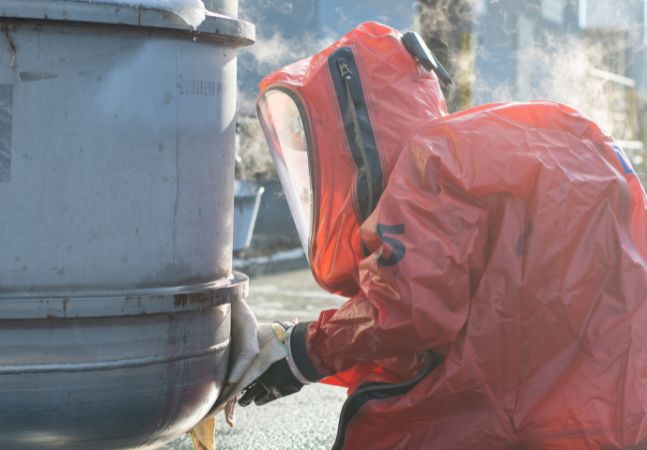
An overheated methyl methacrylate storage tank in Garden Grove triggered a large-scale hazmat response and raised concerns over fire, explosion, and hazardous vapor exposure risks.
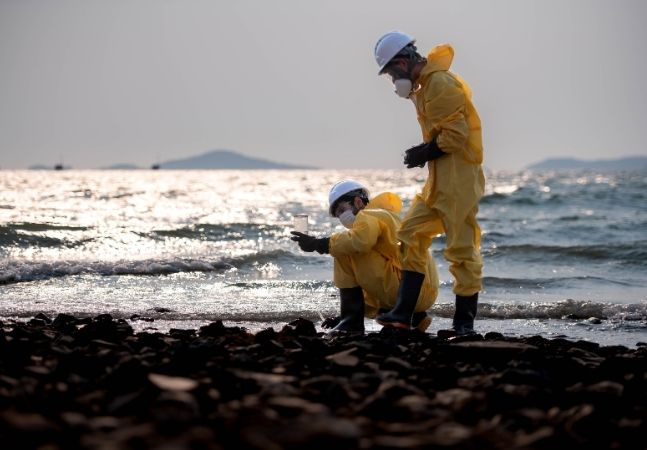
Nearly $1 million in federal funding will help Delaware, Maryland, Pennsylvania and Virginia test coastal waters and issue public safety alerts.
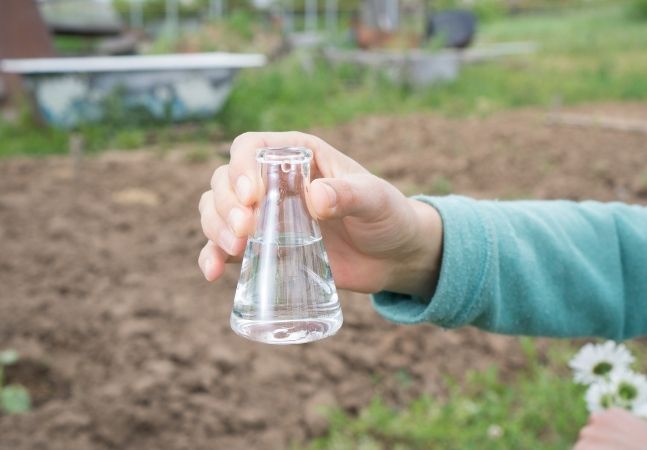
Lacking federal monitoring standards, millions of households face public health and environmental data blind spots due to untested groundwater.
The funding will go to state programs to identify and replace dangerous drinking water infrastructure nationwide.
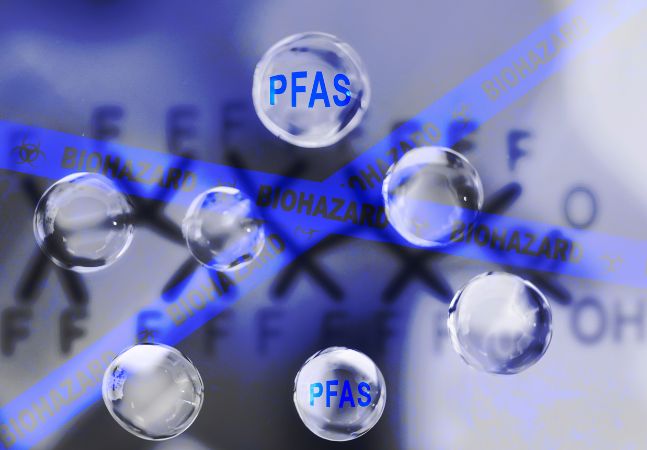
The agency’s revised PFAS strategy emphasizes drinking water protections, scientific research, cleanup efforts and enforcement tied to contamination from “forever chemicals.”
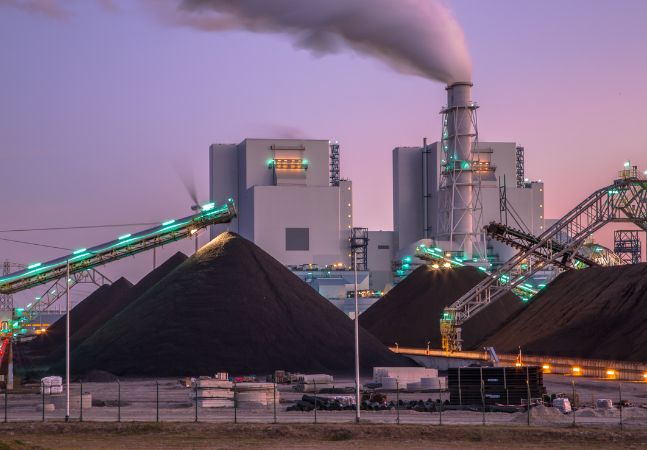
A draft plan weakens federal requirements for treating toxic leachate seeping from coal ash dumps into US waterways.
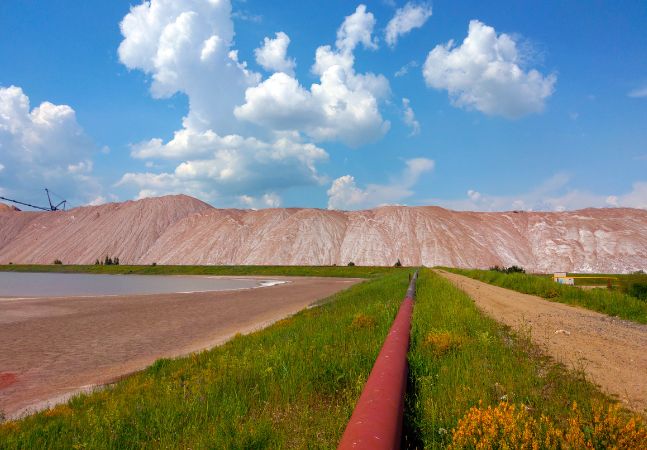
The acquisition is expected to strengthen technologies tied to lithium processing, zero liquid discharge systems and industrial brine management amid growing demand for sustainable water treatment solutions.
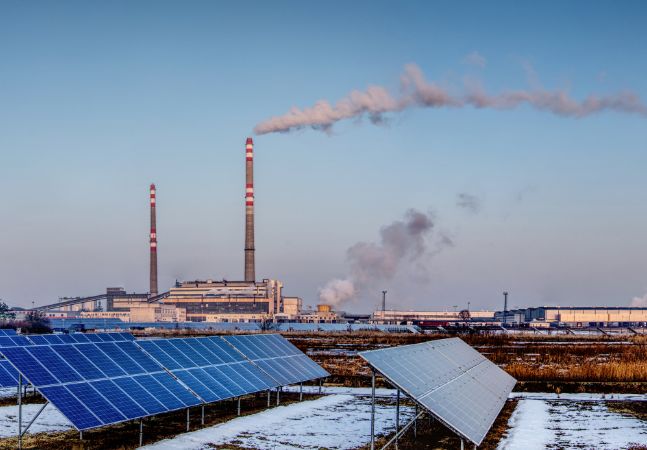
New research reveals that particulate matter from coal-fired plants acts as a "hidden drag" by blocking sunlight from reaching solar panels.

Moving day doesn't mean a clean slate for your lungs. Learn how to identify and clear out the chemical and biological history left by previous owners.
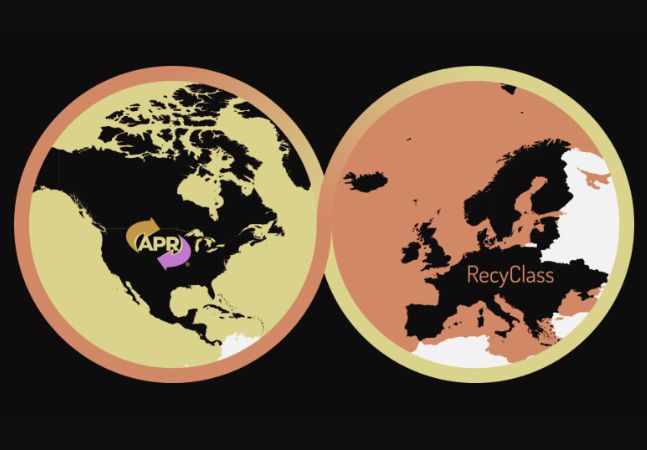
International collaboration enters third year with new technical agreements on polypropylene and film recycling.

The proposed rule aims to clarify when construction activities can begin under Clean Air Act permitting programs while reducing delays for infrastructure and energy projects.
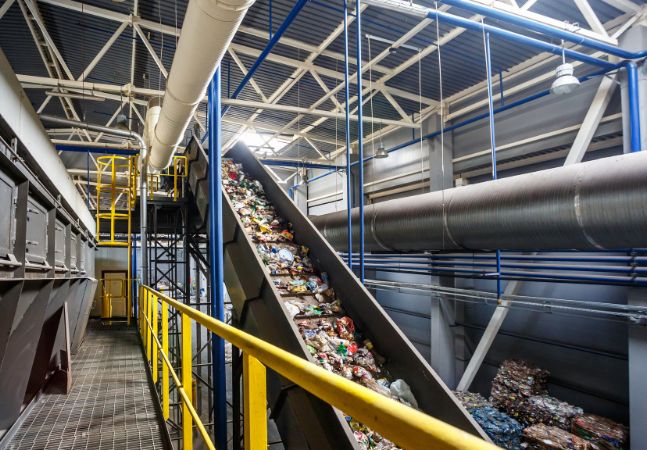
Domestic recycling capacity has dropped 25% as low-priced foreign plastic floods the market, industry leaders told federal trade officials.
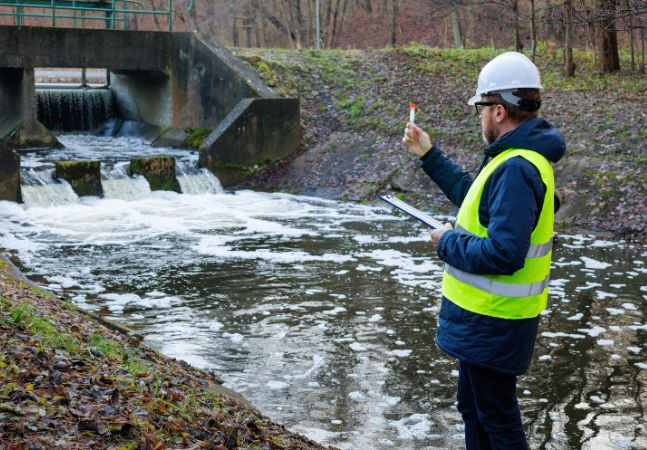
NRWA experts will continue providing technical and managerial support to small water systems across the United States.

The new tool allows users to track environmental permits, access project data and better understand regulatory timelines across the country.
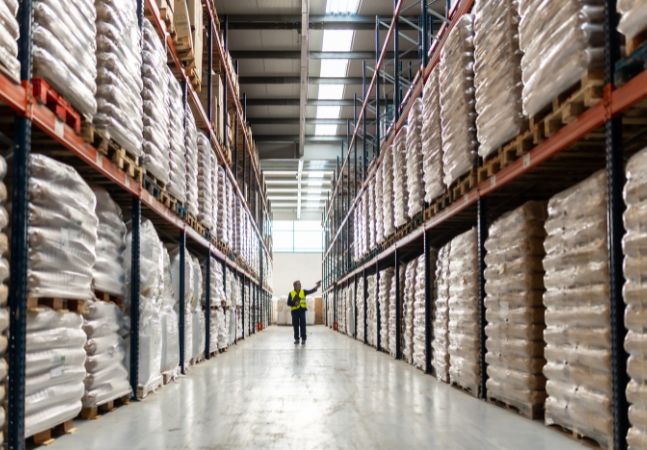
Explore how the hidden environmental impact of energy use, packaging waste and logistics is reshaping the future of modern warehouse operations.

State health officials released a contractor-led study comparing the Suncor refinery to national standards to find further pollution reductions.
New retrofit kits allow commercial vessel operators to transition to sustainable fuels without replacing existing pump systems.