
The EPA is backing a $9 million initiative to help utilities combat cyber threats and climate-driven disruptions with stronger infrastructure safeguards.
Veteran budget strategist steps into top financial role at the Environmental Protection Agency, guiding oversight of billions in public funds.

A new $64 million initiative helps towns and counties lower utility costs, modernize infrastructure, and move toward net-zero emissions.

The Lake Guardian sets out to assess the health of all five Great Lakes, collecting data on plankton, nutrients, and water quality to guide environmental protection efforts.

The Yurok Tribe has received authority to develop water quality standards under the Clean Water Act, advancing tribal self‑determination and local protection of rivers and streams.

If finalized, the proposal would roll back all greenhouse gas regulations for vehicles and engines, saving more than $54 billion annually while restoring consumer choice and regulatory certainty.

As green marketing faces mounting scrutiny, supply-chain transparency is emerging as a powerful differentiator—exposing hollow claims and rewarding brands with traceable proof of performance.

The EPA has reached its first-ever settlement under the Accidental Release Rule, holding PG&E accountable for Clean Air Act violations at its Hinkley facility and marking a new era in chemical safety enforcement.

EPA Administrator Lee Zeldin and Mexican officials signed a binding MOU to expedite infrastructure projects and deliver a permanent, binational solution to the decades-long pollution of the Tijuana River Valley.

EPA calls on manufacturers to bring back self-closing vents in gas cans, aiming to improve usability while maintaining compliance with emissions and safety standards.

Businesses can reduce waste, save money, and support environmental goals by rethinking how they manage and offload excess inventory.

Carton recycling access in California expands, with new data showing widespread sortation and household availability, supporting the state’s circular economy goals.

The VOICE order mandates agency-wide equity plans, environmental justice officers, and data-driven tools to address pollution and health disparities.
The agency’s reorganization eliminates over 3,700 positions and shifts scientific work into program offices to streamline operations.

Structural updates across EPA divisions aim to improve coordination, modernize operations, and enhance the agency’s ability to deliver clean air, land, and water to all communities.
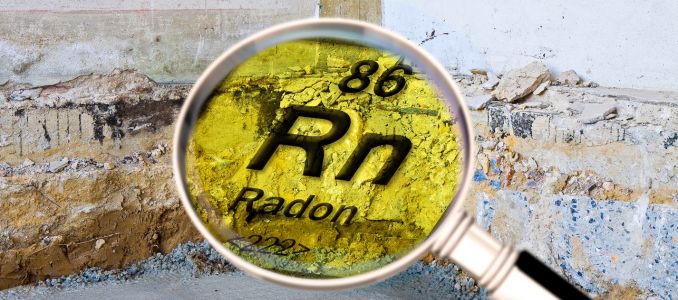
Radon is an invisible gas linked to lung cancer, posing the greatest risk to vulnerable groups in poorly ventilated homes—making education and testing essential.

Eight solar energy projects across Michigan selected to help low-income communities reduce energy costs and improve resiliency.

A Battelle-developed treatment system demonstrates 99.9% PFAS destruction in AFFF using supercritical water oxidation, offering an alternative to incineration and new hope for environmental cleanup.

Two new public web pages address common questions, misconceptions, and scientific concerns related to high-altitude emissions and climate intervention techniques.

Following a large lithium-ion battery fire, the EPA has ordered Gateway Energy Storage to manage environmental cleanup and monitoring efforts at its San Diego site.