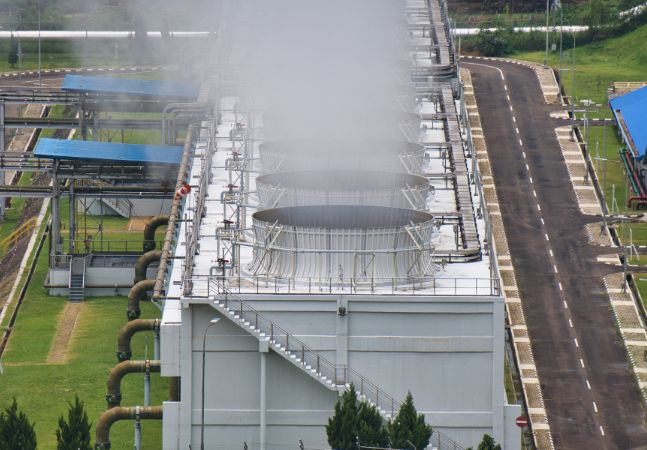
An expert warns cooling towers pose widespread risks as New York City faces its second major outbreak of the disease in less than a year.

By automating tedious regulatory data entry and form validation, machine learning allows EHS professionals to escape compliance burnout and return to proactive field conservation.

Morten Eikenes takes the helm as chief executive officer to drive advanced material solutions for global water treatment.
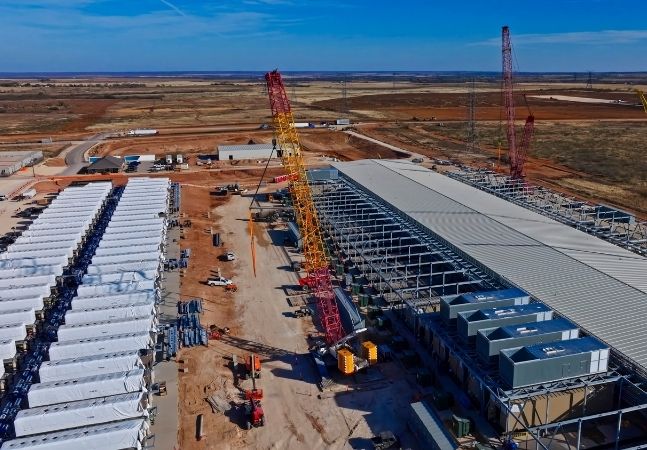
Environmental and health organizations argue a proposed rule allowing industrial polluters to build before securing permits violates the Clean Air Act.
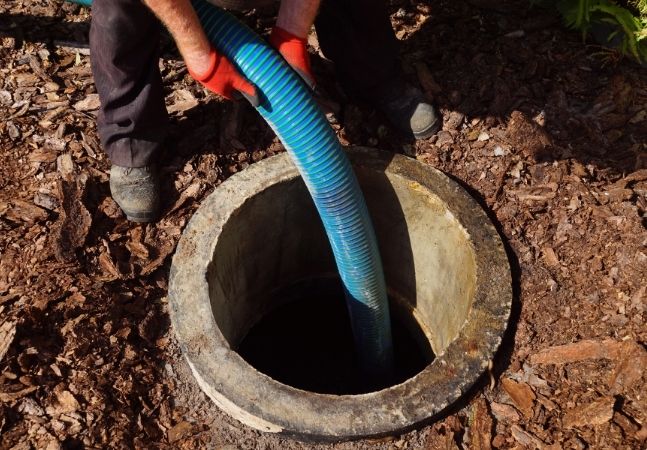
A major UK utility is scaling up its use of AI and electrical signature analysis to protect hard-to-reach pumps and prevent pollution.
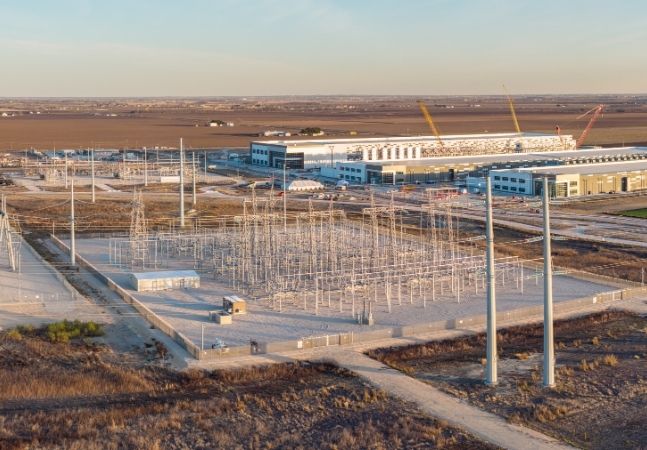
The explosive expansion of generative AI is driving massive electricity consumption, prompting utility companies to delay fossil fuel plant retirements and pass infrastructure costs onto regional ratepayers.

The historic federal agreement requires the chemical manufacturer to install pollution controls and fund clean drinking water in three states.
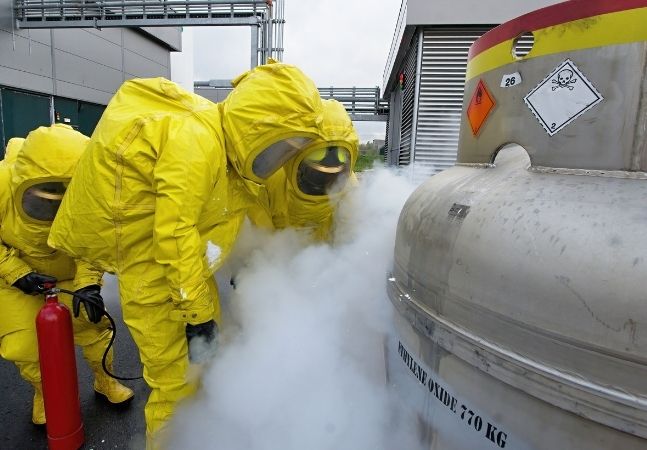
Delayed public warnings, lack of real-time air monitoring and potential regulatory rollbacks on commercial sterilizers expose urban communities to hazardous ethylene oxide emissions.

Invisible environmental hazards like wild parsnip and invasive pampas grass trigger severe chemical burns and chronic allergies, driving a push for localized community stewardship.

The global awareness campaign highlights how artificial intelligence and advanced controls improve refrigeration and heat pump system efficiency.
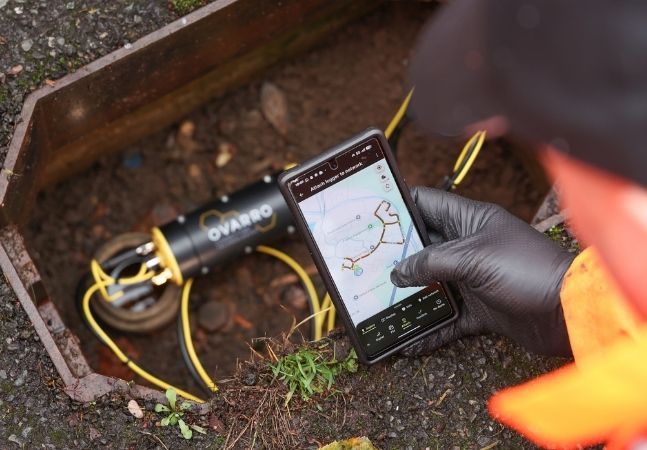
As extreme weather swings accelerate infrastructure damage, water utilities turn to advanced data analytics and automated acoustic tracking.

Active perimeter tracking protects neighboring communities and shelters developers from severe EPA Clean Air Act fines by mapping dust, noise, and vibration spikes.

The new website provides tools, scientific resources and environmental guidance to support sustainability efforts, waste reduction, recycling and air quality management during FIFA World Cup 2026™.

Leveraging 3PL orchestration, intermodal rail conversions and weigh-station bypass software allow shippers to slash transport emissions while boosting margins.

Retiring pre-1998 diesel fleets via certified vehicle destruction programs eliminates toxic carbon emissions and drives measurable student academic gains.
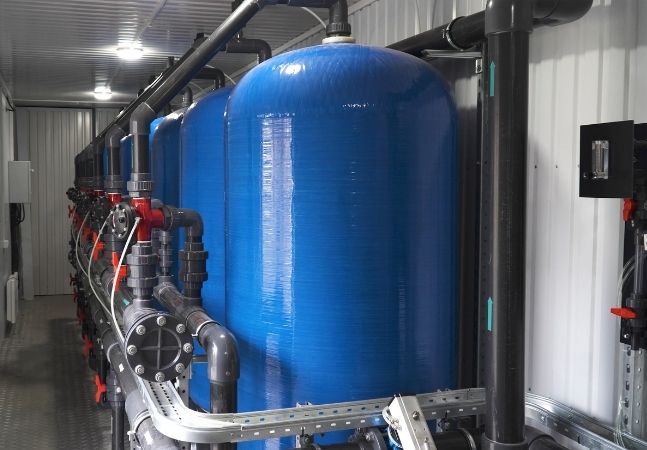
The engineering platform allows equipment suppliers to demonstrate system performance, operational costs and sustainability metrics early in facility planning.
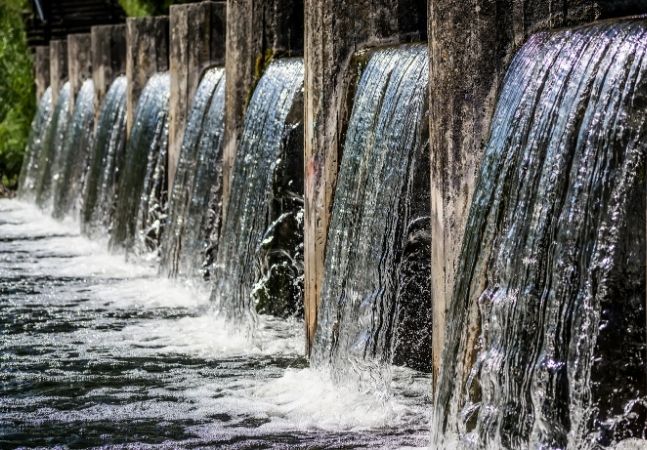
Treating factory effluent at the source eliminates municipal transport costs while providing manufacturing plants with a resilient, self-sustaining water supply.

Agency says advance planning can help protect lives, property, infrastructure and the environment as Atlantic storms approach.
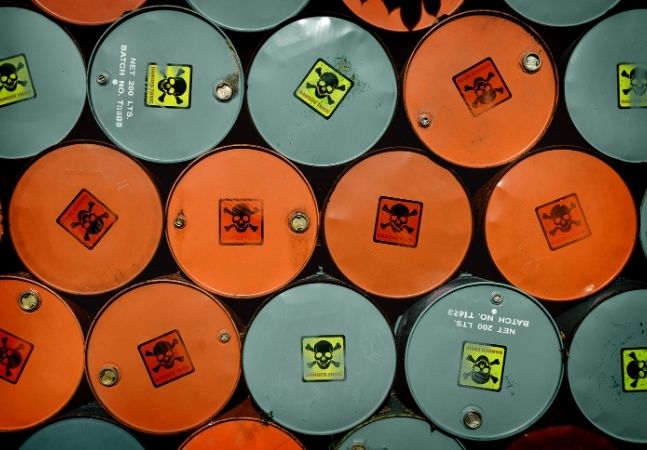
A New York-based chemical supplier is facing legal action for allegedly importing millions of pounds of toxic materials without proper oversight.

A pair of new regulatory updates aimed at sharpening groundwater monitoring and mitigating heat-related risks for agricultural workers will take effect this summer.