Blue Roofs: The Stormwater-Sustainability Link
As we enter the next decade, we are witnessing an increasing and evolving correlation between sustainable design and stormwater management. For example, the merger of Water & Wastewater News and EP Web sites is a sign that perspectives in the water industry are gradually evolving with a trending toward low-impact development and sustainability. It’s becoming increasingly common that you cannot think about one without the other.
Sustainable design alternatives exist across all aspects of building design. However, another integration of sustainability and stormwater occurs above our heads that allows us to not only think green – but also blue.
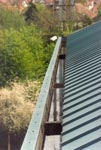
A “blue roof” – the lesser-known cousin of the “green roof” – is a design that harnesses the efficacy of stormwater control devices instead of vegetation for the attenuation of rainfall runoff. Blue roofs tend to occur in long, flat roofing styles normally seen in commercial development, with wide gutters and a hefty watertight liner. This design works especially well in highly urbanized areas with less space on site for stormwater detention. In addition, these sites can experience flooding problems due to the high degree of impervious area found along drains within the drainage system.
Blue roofs use controls atop the roof’s downspouts to regulate stormwater runoff flow from the roof, preventing the downstream drainage system from surcharging and flooding. Some stormwater may be temporarily stored on the roof while the discharge can be released to a stormwater harvesting or infiltration system, or a portion can be discharged to the drainage system at a relatively slower flow rate.
This roof design method is sustainable because it is predicated on nature’s hydrology of stormwater runoff (the ratio of captured/infiltrated/discharged runoff is designed to closely mimic the pre-construction hydrology of the site). In many circumstances, blue roofs actually control potential costs related to stormwater flooding, especially when a collection system fails and damages other aspects of urban infrastructure. Constructing a blue roof flow control drainage design to a flat roof typically adds less than $1 per square foot in cost.
Sustainable site design isn’t about which method is better than the other – it’s about considering all the alternatives in a certain situation. There are thousands of projects in America where a blue roof design could benefit all stakeholders including both the environment and the development team itself.
Posted by Bob Andoh on April 06, 2010