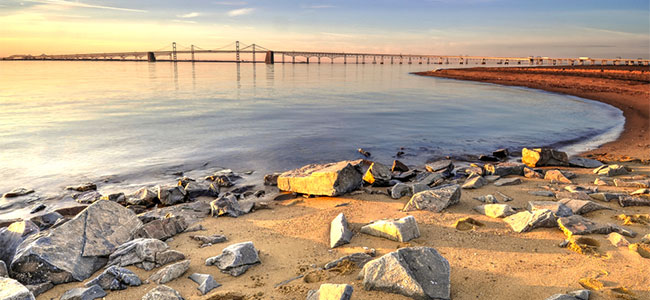
The funding also aims to protect underserved communities nationwide.
The Missouri company will pay $210,000 and the Idaho company will pay $222,400.
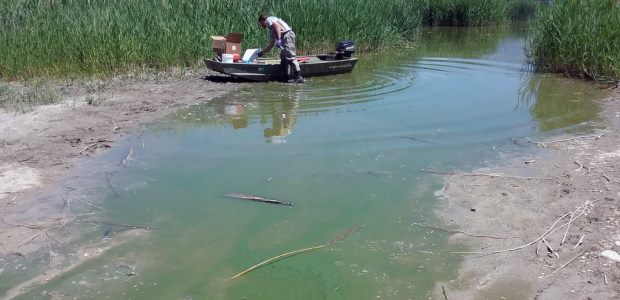
"Isotope tools are very powerful to measure nutrients in water, but historically their use has been very difficult, hampered by cost and accessibility. The new technique allows scientists to run more samples and much more cheaply for large-scale studies. I think it is a game changer," said Leonard Wassenaar, hear of the IAEA Isotope Hydrology Section.
"The potential risks to public health and water quality posed by unlined coal ash ponds in the Commonwealth are far too great for us to continue with business as usual," said Gov. Ralph Northam. "This historic, bipartisan effort sets a standard for what we can achieve when we work together, across party lines, in the best interest of all Virginians."
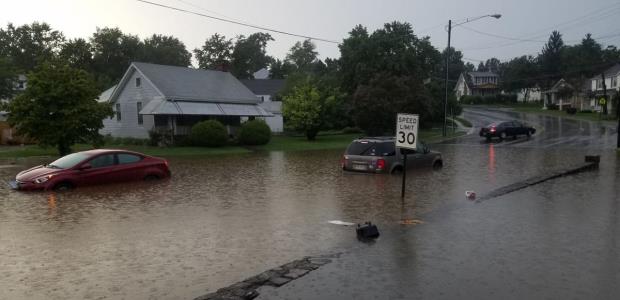
It calls for designating Virginia's secretary of natural resources as the chief resilience officer of the Commonwealth, a review of the vulnerability of Commonwealth-owned buildings, development of a Virginia coastal resilience master plan, a review of pre-disaster mitigation programs, and a review of compliance with flood protection and dam safety laws.
The study will analyze storm and ice-jam flood mitigation needs in high-risk areas, including Schenectady, N.Y., which experienced ice-jam flooding in February 2018. The study will include recommendations to mitigate future hazards on the Mohawk River and other waterbodies across New York state.
The U.S. Environmental Protection Agency has awarded more than $2.1 million in grants to protect and restore wetlands and streams across California.
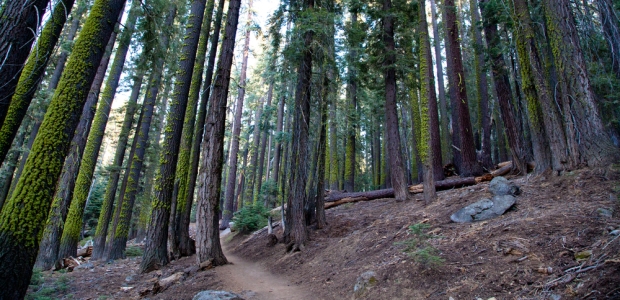
Landowners will retain ownership of their land and will not be restricted from using it for activities such as timber harvest, hunting, fishing, and hiking; the grants will protect more than 28,285 acres of forests from development.
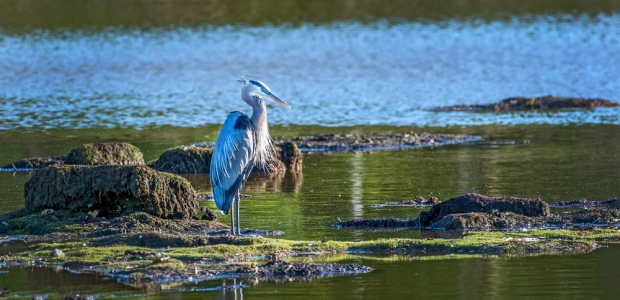
The grants are for projects to permanently protect riparian buffers through land acquisition and conservation easements. Riparian buffers are strips of trees, shrubs, or grasses planted next to streams or other waterbodies.
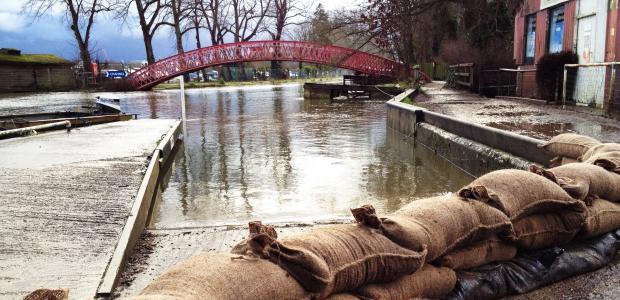
The Environment Agency is working with several local partners to reduce flood risks to all homes and businesses in Oxford and to major transport routes into the city.
According to the federal agencies involved, since 2005, DuPont and the trustees have worked cooperatively to assess and identify potential restoration projects to benefit natural resources affected by mercury releases from the former DuPont facility decades ago.
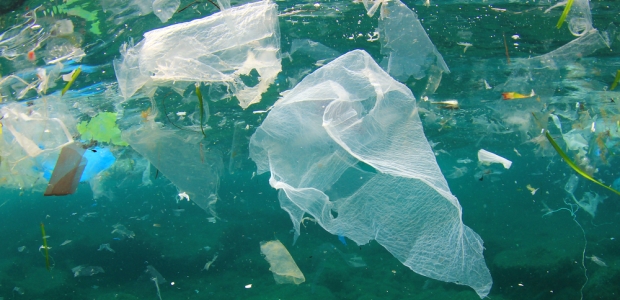
In a recent USGS study, it was found that Great Lakes tributaries are rife with microplastics, small pieces of plastic that can be harmful to wildlife, the environment, and even humans.
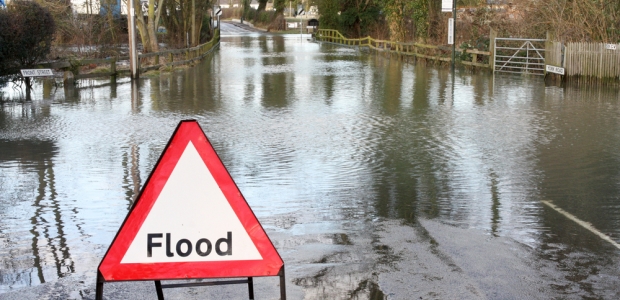
The American Public Works Association (APWA) has selected the Tacoma Central Wastewater Treatment Plant Flood Protection Project for one of its 2016 Public Works Project of the Year Awards in the Disaster/Emergency Preparedness category.
The giant mining company reported a $6.2 billion year-end loss on Aug. 16 but said "good progress" is being made on environmental restoration, community resettlement, and community health following the November 2015 collapse of the Fundão tailings dam at Samarco in southeastern Brazil, a disaster that killed 19 people, including 14 working on the dams at the time.
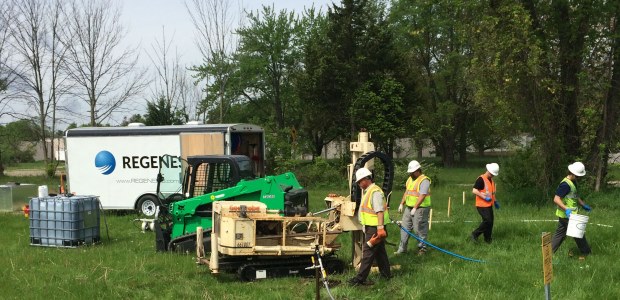
In today's highly industrialized societies, rushing waters aren't always a welcome sight, particularly when viewed from the perspective of remediation professionals who work to eliminate or mitigate the levels of hazardous materials from both private and public soil and groundwater.
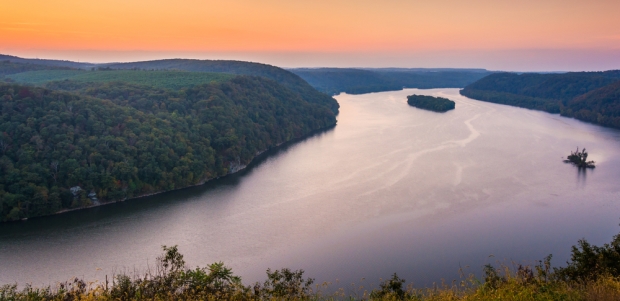
"Pennsylvania was not on track to meet nutrient reduction targets, and EPA made clear in 2015 that it would withhold funding due to that lack of progress. DEP worked with our sister agencies and wrote a plan that will put us on track," said DEP Secretary John Quigley.
America's WETLAND Foundation brings private funding to shoreline stabilization.
The Intermountain West will begin a new grant program provided by American Rivers that will help to benefit rivers and their communities.
UMass Amherst watershed scientists offer national flood and runoff assessment.
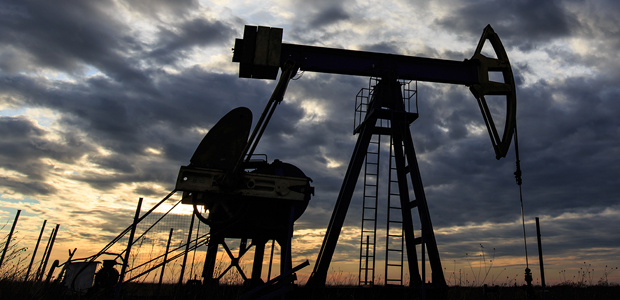
Linked to earthquakes, water contamination, and general pollution, fracking becomes more controversial by the day. Meanwhile, 13,000 new wells are being drilled every year. There have been over a thousand documented cases of water contamination next to areas of gas drilling—cases of sensory, respiratory, cardiovascular and neurological damage. From the water we drink to the ground beneath our feet, is it too late to ask, “What gives?”