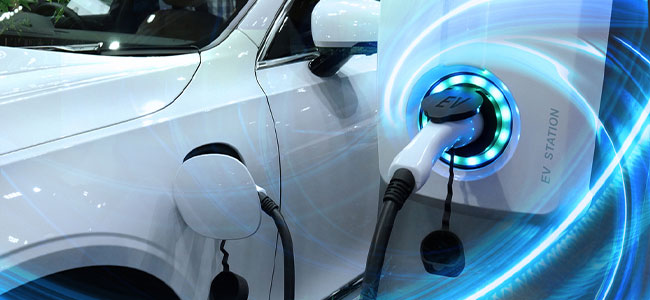
The campaign will recognize the top three submissions in three different categories.

Uncover the transformational impact of e-bikes on our streets, driving us toward a more sustainable future.

Electrical vehicle sales are becoming more popular. By 2030, sales of this vehicle are expected to reach 40 percent of total passenger car sales.

Can using bikes and e-bikes impact carbon dioxide emissions?
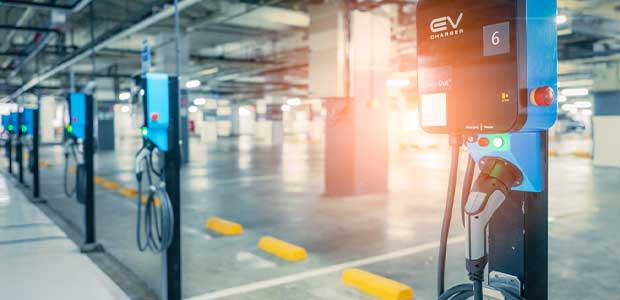
It will take some time, but it may happen sooner than you think.
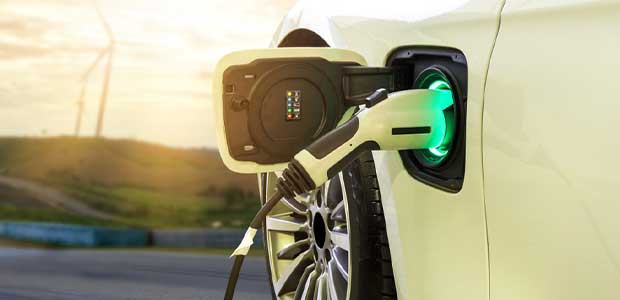
A new rule will reduce pollution by limiting the sale of non-zero-emission cars.
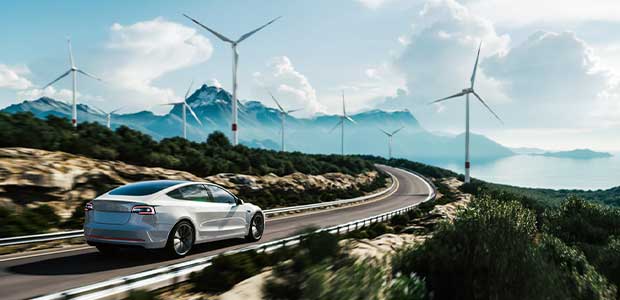
An introduction to sustainability within the car industry.
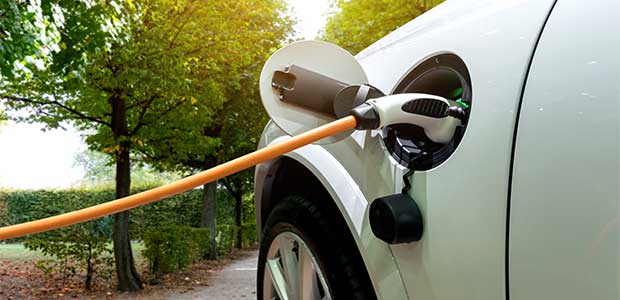
The industry must reduce emissions and focus on sustainable solutions for the future instead of relying on fossil fuels to power vehicles.

The pandemic has meant less car pollution, but not much of a decrease in overall pollution. Why? Because car pollution is just one player.

Research suggests that a nearly eight percent in overall fossil fuel use, driven by the coronavirus pandemic, is both record-setting and worrysome.

Kicking off the first of a five-part series titled The Greenhouse, the New York Times has invited listeners around the U.S. to hear what climate journalists have to say about global warming climate change in the age of the coronavirus. Here’s a recap of the first event.
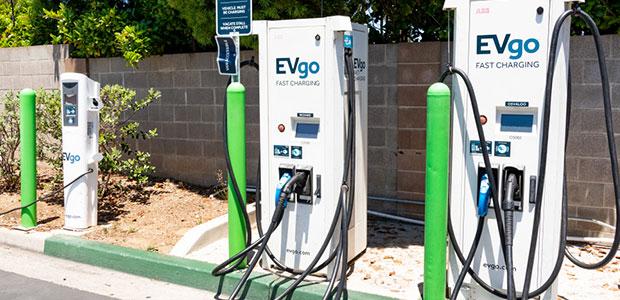
Adoption forecasts for EVs increase just about every year, and the shift is overall good news for the environment. However, it does create a new problem for city planners, who now have to find a way to rapidly upgrade EV infrastructure

The annual World Energy Outlook was just released, and along with it, various forecasts for the future of energy sources and the climate crisis. Clean energy is growing, but not fast enough, it reports.
The $17 million program focuses on the needs of smaller groups and communities to provide clean mobility solutions that include car- bike- or scooter-sharing projects and subsidies for transit or car-hailing companies.
The Boring Company's website for the project indicates the two tunnels would be constructed at least 30 feet below ground and the project initially would be a high-speed underground public transportation system in which passengers are transported in autonomous electric vehicles traveling at up to 150 miles per hour.
The city will eliminate least 1,000 vehicles from its fleet by June 2021 and will reduce the number of take-home vehicles by at least 500 vehicles, curtail the reliance on SUVs in the city fleet, and promote increased vehicle efficiency by using advanced data collection.
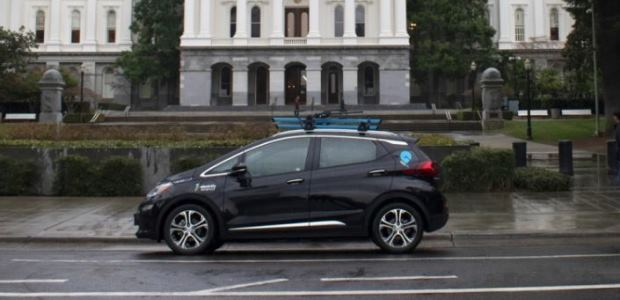
"Gig is thrilled to bring the largest all-electric car sharing service in the United States to Sacramento, a city that's becoming recognized as a worldwide leader in zero-emission energy," said Jason Haight, president of GIG Car Share.
The new store will feature a 180,000-square-foot solar array and three EV charging stations.

"Today's executive order will strengthen our economy and protect the wallets of consumers across the state. As we continue to move towards a cleaner electric grid, the public health and environmental benefits of widespread transportation electrification will only increase," Gov. Jared Polis said Jan. 17.
New information to be provided by the charging networks will include real-time data on charge station health to report whether a charging station is working, available, and compatible with a Chevrolet Bolt EV.