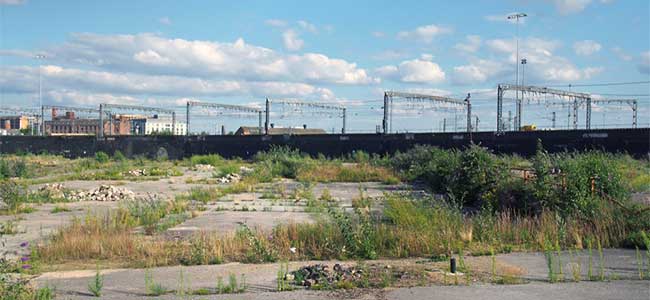
More than 200 communities will benefit from this historic investment.
- By Alex Saurman
- May 26, 2023
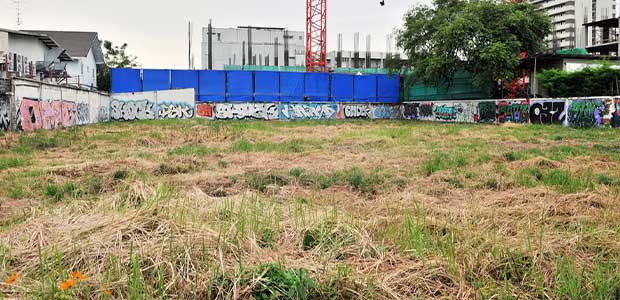
The EPA said that applications are now open. The agency expects to give out 198 grants.
- By Alex Saurman
- September 16, 2022
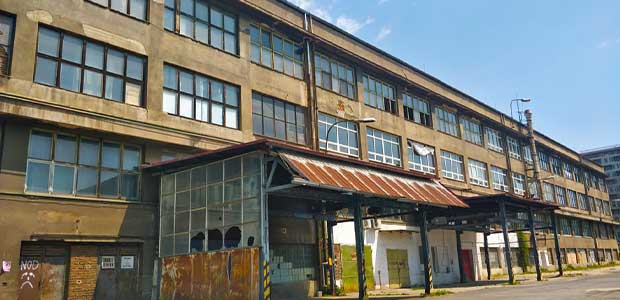
The funds will go to clean sites in 265 communities.
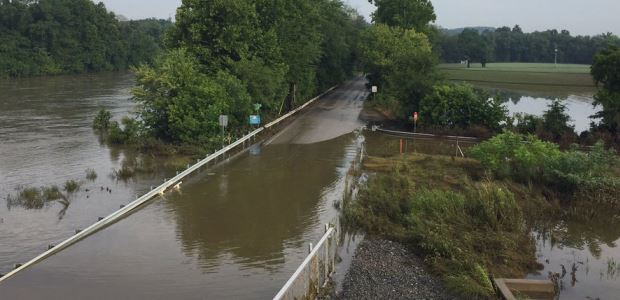
"Unexpected flood repairs can drain a municipality's budget. Restore Pennsylvania will provide financial relief to make necessary repairs and allow communities to return to normal," Pennsylvania Department of Environmental Protection Southcentral Regional Director Joe Adams said when he visited York County to talk with local leaders about the plan.
Elcon Recycling Services, LLC wants to construct and operate a hazardous waste treatment and storage facility to treat and store liquid waste at the Keystone Industrial Port Complex in Falls Township, Bucks County.
The permit includes an approved contingent remedy for 225 acres of the Kansas City site that are currently in the final remedy stage for soil and groundwater contamination.
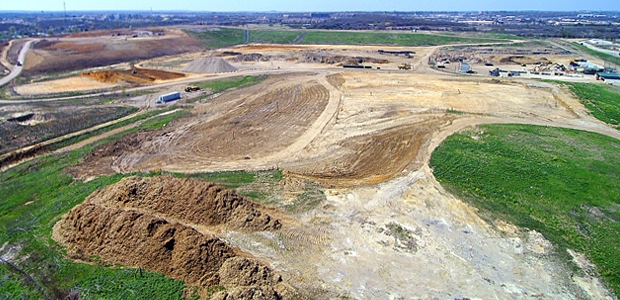
There are 200 to 300 closed landfills in Texas, so the potential for resource recovery and regaining land is huge, TCEQ reports.
The foundation was established as the community investment arm of Terracon with a goal to reach out and become a real part of the lives of company employees and their communities. To date, the foundation has distributed more than $1.3 million in grants.
"The grants will help transform brownfield sites, such as former manufacturing and mill sites, into productive end uses which directly benefit community residents and create opportunities, including increased housing options, recreational spaces, and jobs," said Mathy Stanislaus, assistant administrator of EPA's Office of Solid Waste and Emergency Response.
Civic Works in Baltimore will receive a $300,000 Environmental Workforce Development and Job Training Grant to help train low-income residents for environmental jobs.
The chemicals removed included flammables, oxidizers, corrosive acids, corrosive bases, toxics, and non-regulated materials.
<p>Con Edison and New York City commissioned and certified the solar energy system on the Brooklyn, N.Y., IKEA store. As one of the largest commercial rooftop installations in the city’s five boroughs, the 200 kW array occupies 19,000-square feet, with four module types, totaling 1,104 panels. The array will generage 240,000 kWh of renewable electricity annually for the store, the equivalent of eliminating the emissions of 32 cars, or providing electricity for 20 homes yearly. This effort reinforces the company’s commitment to sustainable business practices in addition to reducing its carbon footprint.</p><p>
“We are very excited about enhancing the sustainable contribution IKEA Brooklyn continues to make in the local community by generating electricity through solar panels atop our store,” said Mike Baker, the store’s manager. “This initiative helps improve the environment and contributes to our vision of creating a better everyday life for the many.”</p><p>
Other IKEA U.S. sustainable building initiatives include a solar energy systems operational in two stores and under construction in nine others. Additionally, both a solar energy and geothermal system were incorporated into the Denver-area store opening this year in Centennial, Col. IKEA Brooklyn additionally has 70,000 square feet of green roof, a 6.5-acre waterfront esplanade, multiple transit options and has been certified as a brownfield redevelopment. The store also has been certified LEED Silver.</p><p>
The 346,000-square-foot Brooklyn store opened June 18, 2008, on 22 acres along the Erie Basin waterfront in Red Hook, south of the BQE/Gowanus Expressway and southeast of the Brooklyn-Battery Tunnel. </p><p>
With combined chemical and biological treatment, formerly contaminated land is added to Bremerton’s Evergreen Park in Washington.
A new report by the U.S. Conference of Mayors highlights the potential contribution that redeveloping brownfields can make to city revenues.
Presenters now have until July 30 to turn in proposals for education sessions at next year's brownfields conference, set for April in Philadelphia.
Submission deadline is July 26 and the conference will be held April 3-5 in Philadelphia.
A targeted community and stakeholder outreach program has enabled Arlington to earn additional grant funding for its redevelopment program.
- By Lexin Murphy, John Sallman
- June 09, 2010
The City Council and voters appear to support a restoration project that would dedicate half of 1,436 acres for recreation and the other half for a walkable, transit-oriented community.
According to the agency, many facilities have already begun implementing recommendations to improve safety of their impoundments.
Interested parties have until July 2 to submit proposals for educational sessions at the 14th National Brownfields Conference next April in Philadelphia.