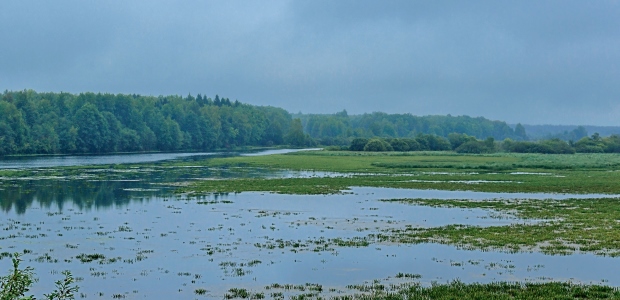
A contract has been awarded by the South Florida Water Management District for construction to begin on a new water quality restoration project in the Everglades.
The Service completes a comprehensive data set of wetlands in U.S. states and territories that will aid developers, city planners, and regulators in advancing wetland conservation, economic development.
As air drones already exist, a new development has evolved in drone technology, a water-based drone to ensure fast and efficient algae control and treatment.
As part of the Community Tree Recovery Program, Canon will be planting one tree for every imageRUNNER ADVANCE system sold from now until Dec. 31, 2014. Trees will be planted in various sites where natural disasters have recently occurred, such as Northern Alabama and Joplin, Missouri.
The first two of four volumes contain a summary of events leading up to the April 2010 explosion and fire on the Deepwater Horizon drilling rig and "critical technical findings" on the blowout preventer and management systems.
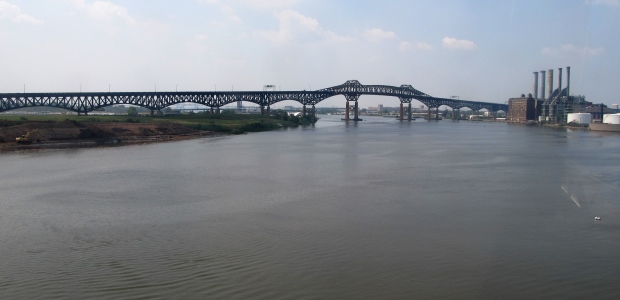
The EPA has proposed a plan to remove more than 4 million cubic yards of contaminated sediment from 8 miles of the Passaic River in New Jersey. This will mark the largest river cleanup in EPA history.
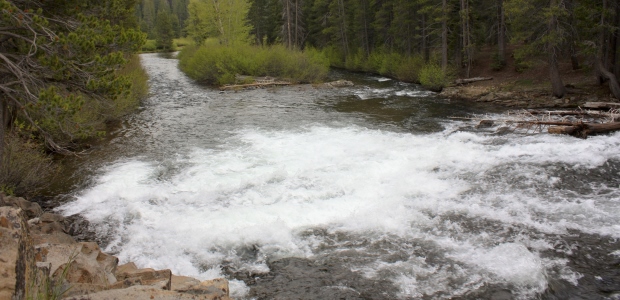
American Rivers has reported the 10 most endangered rivers in the United States for 2014.
The company announced it is dividing its 19.1 percent share of Northern Dynasty Minerals Ltd. between the Alaska Community Foundation and the Bristol Bay Native Corporation Education Foundation, saying in the announcement that "we are ensuring that Alaskans will have a say in Pebble's future development and that any economic benefit supports Alaska's ability to attract investment that creates jobs."

The U.N. International Court of Justice ruled against Japan in a case involving charges that the country was using a scientific research program to mask a commercial whaling venture in the Antarctic.
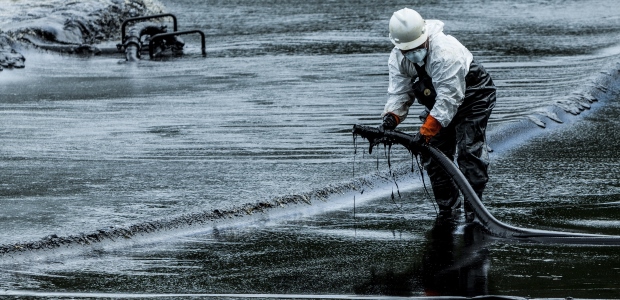
While many were happy to see much of the oil slick in Galveston Bay being pushed out into the gulf by wind and weather, this has created additional environmental threats further down the Texas coastline.
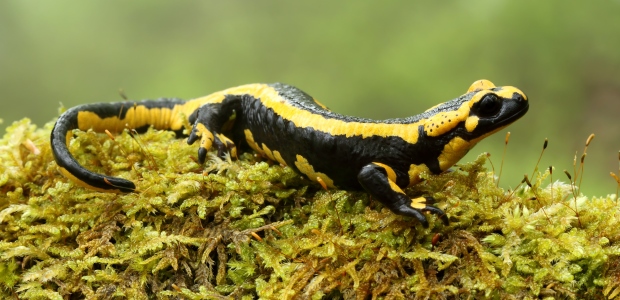
According to new research, salamanders may be shrinking in size due to the environmental changes caused by rapid climate change.
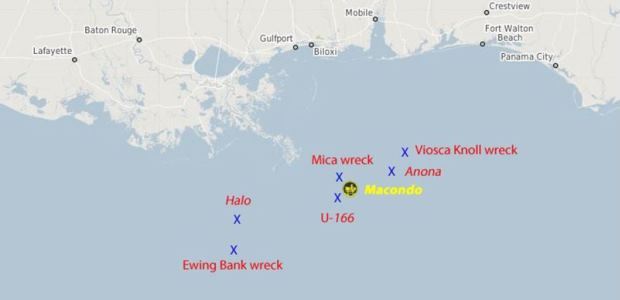
A research team is examining how oil spilled after the Deepwater Horizon drilling rig explosion is affecting organisms living on six shipwrecks located near the Macondo well site.
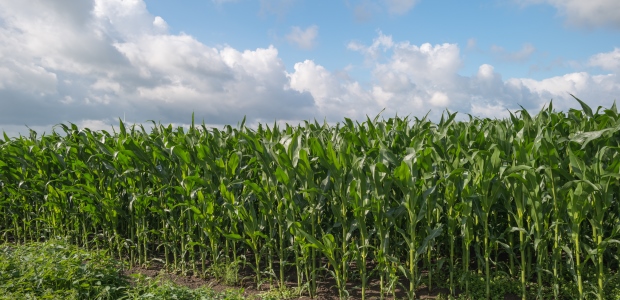
This Saturday, March 22nd, the world celebrates World Water Day. Water and agriculture are inextricably interlinked and interdependent. Agriculture is a major user of both ground and surface water for irrigation—accounting for about 70 percent of water withdrawal worldwide.
- By Danielle Nierenberg
- March 21, 2014
The plan lays out cooperative arrangements between governments and industry to respond to maritime spills and shipping casualty incidents.
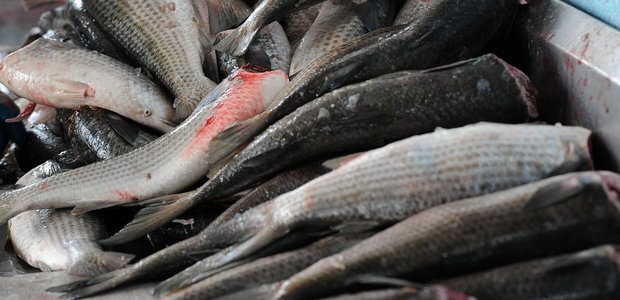
Maria Damanaki, the European Commissioner for Maritime Affairs and Fisheries, said the EU's "zero tolerance against illegal fishing" is succeeding, and 27 stocks in the North Sea and Atlantic are being fished sustainably this year.
The region's "extreme and fast changing risks" call for it to support IMO's Polar Code, which would set safety and environmental standards for ships operating in those waters.
BP is once again eligible to enter into new contracts with the U.S. government, including new deepwater leases in the Gulf of Mexico.
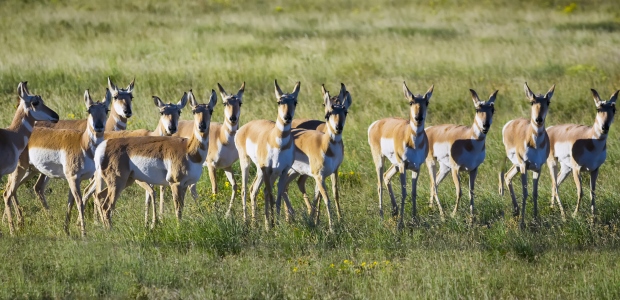
A new study of grasslands suggests a way to counteract the human-made overdose of fertilizer that threatens to permanently alter the biodiversity of the world’s native prairies.
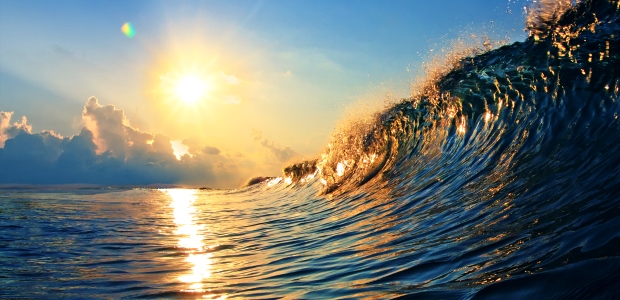
Researchers from McGill University have found that the salt in the ocean’s surface has been steadily reducing since the 1950’s, which prevents the warmer waters underneath from mixing and cooling back down as it should.
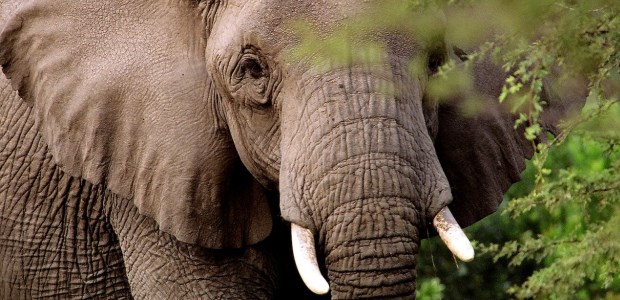
Marking World Wildlife Day, INTERPOL's Environmental Security Sub-directorate will present a summary of two law enforcement reports on wildlife crime.