Each of the nine teams selected for the first-of-its-kind pilot program will receive a $5,000 business development grant, mentoring from the Colorado NextCycle technical advisory committee, and technical support from RRS, the recycling and sustainability consulting firm assisting with the Colorado NextCycle program.
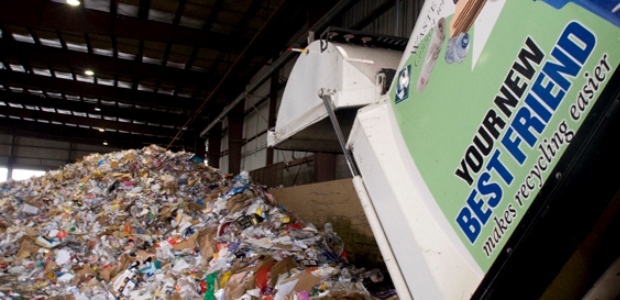
Texas-based Waste Connections, Inc. and Toronto-based Progressive Waste Solutions Ltd. are merging in an all-stock transaction. The combined company will bear the Waste Connections name.
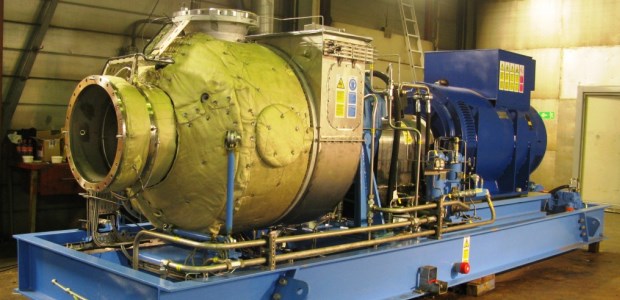
"Most industries that currently flare their waste gases will soon be able to use these waste gases productively while also significantly reducing their emissions of waste gases into the atmosphere. This is great news for our world's air quality and great news for the financial bottom lines of the industries that currently emit these greenhouse gases into the atmosphere," said Alain Castro, CEO of Ener-Core.

The Province of Ontario's Green Energy Act of 2009 helped to ignite fast growth in the production of clean and renewable energy. Since 2009, the act has spawned more than 20,000 jobs.
Gas-fired cogen plants are common, but biomass-fueled plants have the added benefit of using a renewable, practically inexhaustible fuel source.
At least 12 other states have laws on the books allowing companies to organize in this way, which allows them to focus on environmental and social performance, as well as profits.
As the need for renewable, cleaner, and cheaper energy continues to rise, landfill gas for renewable energy production will likely become a more common practice.
BlackGold Biofuels opened up a new facility in North Carolina, where wastewater will be converted into biofuel. Though it is common practice for cooking oils to be recycled into biofuels, transforming wastewater into biofuel is a more transient feat and not as common.
Emerson’s Ovation expert control system provides flexible and accurate control of a powerful biomass gasification plant in France.
Fat and oil used for cooking are often poured into sinks and cause buildup in drains and ultimately end up in sewer systems. This waste, called fatbergs in England, will be reused as energy at a fat-fueled power station in east London.
GM’s Components Holdings LLC plant in Lockport, N.Y. has become the automaker’s 103rd facility to obtain landfill-free status, putting the company one step closer to achieving its goal of having 125 landfill-free sites by 2020.
During this holiday season, people can use ecofriendly artificial logs made from grass clippings to create a warm and welcoming blaze in fireplaces.

A Dow Plastics pilot program recovered 96 percent of potential energy from waste plastics burned to fuel an incinerator.
Through a combination of developing new technology and strategic use of materials, GM has transitioned 74 of its 140-odd plants into landfill-free facilities.
DTE Energy Services Inc. recently received approval from the San Joaquin Valley Air Pollution Control District to convert an existing coal-fired power plant at the Port of Stockton to operate on biomass fuel.
Researchers at the U.K.'s Cambridge University mixed samples of waste oil with a highly microwave-absorbent material and then heated the mixture to convert nearly 90 percent of the samples into fuel.

A coalition of volunteer environmental engineers provided input to update and make this document organizing tool more useful.
The $130 million facility will produce ethanol and renewable power from waste; this is a major first step in the company's global licensing strategy.
Silicon Valley Power has signed a long-term power purchase agreement to purchase the renewable energy captured from Republic Services’ Vasco Road Landfill in Livermore, Calif.

The South Carolina Department of Health and Environmental Control has granted W2E a solid waste permit for its planned anaerobic digestion facility in Columbia.