
With more than two people dying from skin cancer per hour in the U.S., taking proper precautions when in the sun is essential for skin and eye health.

Using technology can also help businesses ensure proactive environmental compliance.
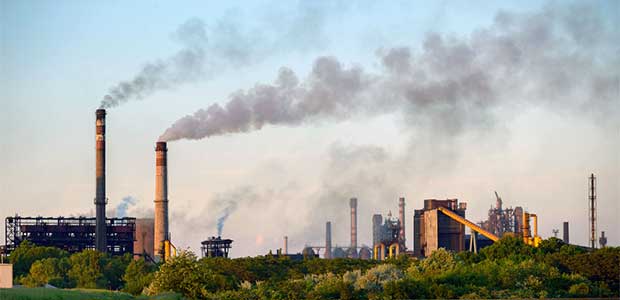
Some ways industries and people can fight environmental racism include changing practices and educating themselves.
- By Chandler Blythe Duncan
Proposed annual fees for FY2019 have increased for operating reactors, some materials users, and Department of Energy transportation activities.
Changes the state Department of Ecology has adopted will make the program more effective by streamlining requirements and aligning the rule with state and federal laws.

The eight-month test involved a waste transportation and storage cask fresh off the assembly line being loaded with three surrogate fuel rod assemblies from the United States, Spain, and South Korea and then traveling from Spain to Colorado and back again by truck, ship, and train.

There will be less red tape and less duplication for project proposers to navigate, according to the officials, who said the government will expand the types of impacts studied to understand how a proposed project could affect not just the environment, but also its long-term health, social, and economic impacts, as well as impacts on indigenous peoples.
On the first anniversary of the Frank R. Lautenberg Chemical Safety for the 21st Century Act, he said EPA has met its first-year implementation milestones under the law, having issued three new rules, provided a guidance document for external parties, and released scoping documents for the first 10 risk evaluations that will be conducted.
"The repackaging, sale, and distribution of unregistered and misbranded pesticides is illegal and puts people and the environment at risk," said Anne Heard, acting regional administrator for the Southeast. "Users rely on accurate, up-to-date information about ingredients, directions for use, hazards, and safety precautions. This settlement sends a strong message to pesticide companies to maintain compliance with all federal environmental laws."
The collision of a 623-foot long bulk carrier with a 600-foot tanker caused about 88,200 gallons of methyl tert-butyl ether to spill into the Houston Ship Channel on March 9, 2015.
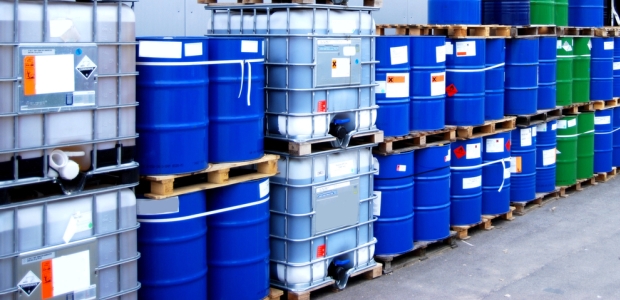
The long-delayed bill overhauling the Toxic Substances Reform Act is heading to President Obama’s desk for his signature.
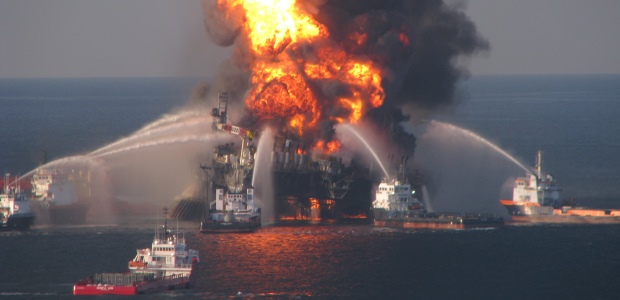
U.S. District Judge Carl Barbier's April 4 order confirms the company's $18.7 billion settlement of federal and state claims announced last July.
The agency has tested a Geo-Referencing Identification Satellite tag project.
Gary Southern was arrested Dec. 8 and made his initial court appearance before a U.S. Magistrate Judge in Ft. Myers, Florida, U.S. Attorney Booth Goodwin announced.
TITAN Salvage/Marine Response Alliance's Lindsay Malen, director of business development, will discuss challenges and lessons learned during the salvage and wreck removal.
The agency's Health Hazard Evaluation Program is seeking five facilities to participate. A team of industrial hygienists and medical officers will make site visits to assess workers' occupational exposures.
The DOT agency's advisory bulletin asks pipeline owners and operators to look for deficiencies like the ones NTSB found in Enbridge's program after a large pipeline spill in July 2010.
The federal Bureau of Reclamation will conduct it April 23 in cooperation with several other agencies.
They agreed to cooperate on a project meant to improve safety and environmental standards in the industry. It will be executed by the Marine Environment Division of IMO, in partnership with the Ministry of Industries of Bangladesh, during the next 18 months.
The region's "extreme and fast changing risks" call for it to support IMO's Polar Code, which would set safety and environmental standards for ships operating in those waters.