Energy from Sugar Cane: Asset
Related Items: To download additional items, select those you are interested in and click the submit button at the bottom of the page. You will be able to download the current item and any additional items you select.
Veolia group is the global leader in optimized resource management. With more than 163 000 employees worldwide, the group designs and provides water, waste, and energy management solutions that contribute to the sustainable development of communities and industries. Through its three complementary business activities, Veolia helps to develop access to resources, preserve available resources, and to replenish them. www.veolia.com
Some people thought we were crazy when we put a giant wind turbine on top of a floating spar structure and towed it out to sea. But it turned out to be the future, and the future is now. This year, we made a giant leap forward as we installed and started producing electricity from the world's first floating wind farm. The 30MW Hywind Scotland pilot park will demonstrate the feasibility of future commercial floating wind farms that could be more than four times the size. This will further increase the global market potential for offshore wind energy, contributing to realizing Statoil's ambition of profitable growth in renewable energy and other low-carbon solutions. Visit our website to learn more: https://www.statoil.com.
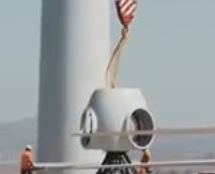
This 2017 Vestas video is an update on its Kenyan Lake Turkana project, a "very challenging" high-wind and remote site where more than 300 wind turbines are being installed.