The technology turns a maintenance problem at the Nansemond plant into a commercially viable fertilizer product with no additional cost to the Hampton Roads Sanitation District.
Research provides insight into conditions needed to produce nitrogen fixation.
Indiana University scientists measured nitrogen and phosphorus retention as well as carbon sequestration in tidal soils of three Georgia rivers.
Both EPA and MassDEP say enforcement actions have removed 10,000 gallons per day of sewage from storm drains.
EPA, USDA, DOI, NOAA, Army Corps of Engineers will work together to protect and restore the Chesapeake Bay.
Clean Vessel Act grants help marinas manage wastes and protect recreational waterways.
The company will create habitat for out-migrating juvenile salmon in the Duwamish River and repay $2 million of the natural resource trustee's costs to resolve liability for hazardous releases from its facilities.
University of Georgia's Patricia Yager will lead an international team in studying climate effects on the River-Ocean Continuum of the Amazon.
Environmental organization braces for Gulf disaster impact on fragile coastal ecosystems and fisheries.
EPA's latest initiative will show how well it is performing in cleaning up the Chesapeake Bay watershed.
The enhanced protections for the Anacostia River and Chesapeake Bay include low impact development, strict discharge limits, and monitoring total maximum daily loads.
“Dispose My Meds” pharmacies will provide consumers with postage-paid envelopes or onsite programs where pharmaceuticals are collected and disposed of properly.
Robert and Nancy Loomis allegedly discharged fill material into a wetland on their property that drains into the Takhin River in Alaska.
The Pennsylvania Environmental Council will present the 2010 Governor's Award to businesses and organizations that have cleaned up watersheds, saved energy, and eliminated pollution.
State expands the net for water crafts to help protect its lakes and ponds from invasive species.
EPA is taking comments on a proposal to require large industrial, commercial, and multifamily residential facilities to reduce polluted runoff from their properties.
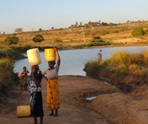
An environmental journalist makes a UNEP-sponsored field visit to Mariakani to see first hand how scarce fresh water is and how that affects the people of the village.
- By Marianne de Nazareth
- April 08, 2010
The reuse of horse manure to generate electricity is expected to substantially offset electric charges incurred.
The agency says the project would bury more than 7 miles of headwater streams, impact 2,278 acres of forestland, and degrade stream water quality

The boost to the Water and Development Alliance will support eight new multi-year programs in Africa.