The U.S. Fish and Wildlife Service has announced over $45 million in funding provided through the State Wildlife Grant (SWG) program to help U.S. states protect species and habitats in greatest need.
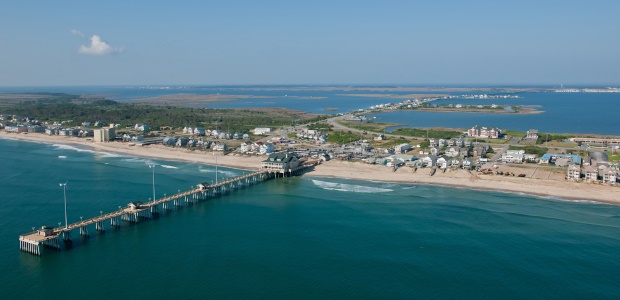
Duke Energy has announced a $10 million Water Resources Fund for the improvement of waterways in North Carolina and South Carolina that flow into neighboring states.
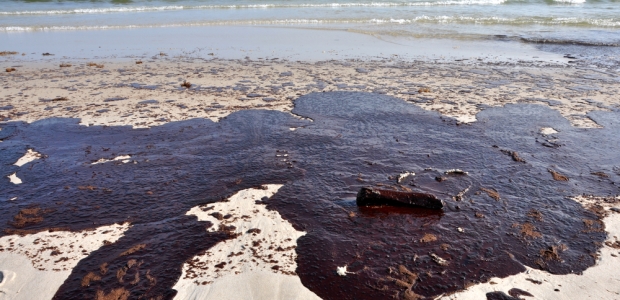
In federal court yesterday, the EPA decreed that ExxonMobil will pay nearly $1.5 million in fines for a Clean Water Act violation that ultimately led to a Louisiana oil spill more than two years ago.
With only 35 feet left to remove of the Glines Canyon Dam on the Elwha River in Washington, the river is already showing great progress with fish and native plants returning to the area.
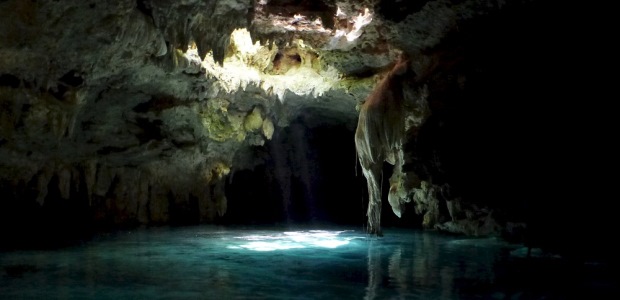
Associate Professor Karl Vernes from the University of New England, Australia, is undertaking research into these mysterious water sources and the habits of the animals that use them in a bid to conserve the unique ecosystems of a region which is facing the strains of mass development and tourism.

A new ruling in the Georgia Court of Appeals states that all waters are to be protected by 25-foot vegetative buffers under Georgia law.
A federal appeals court has sided with the EPA to uphold a policy to scrutinize pollution from severe mountaintop removal mining in Appalachia, helping protect the waters and surrounding communities.
A USGS study shows that rivers across the United States are less acidic due to a decrease in atmospheric deposition, industrial waste, and mine drainage.
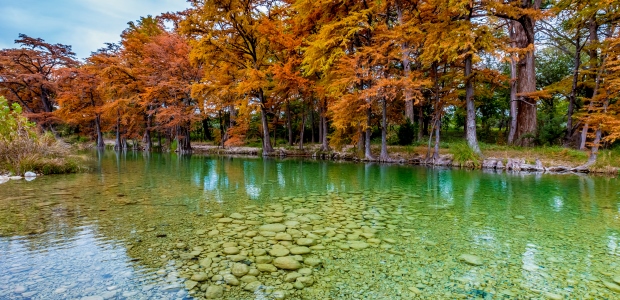
Concentrations of dissolved solids, a measure of the salt content in water, are elevated in many of the nation's streams as a result of human activities, according to a new USGS study. Excessive dissolved-solids concentrations in water can have adverse effects on the environment and on agricultural, domestic, municipal, and industrial water users.
- By Ethan Alpern
- June 16, 2014
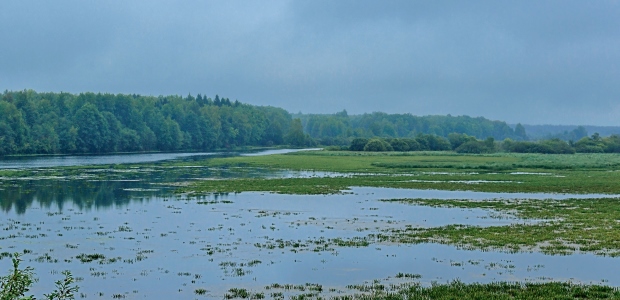
A contract has been awarded by the South Florida Water Management District for construction to begin on a new water quality restoration project in the Everglades.
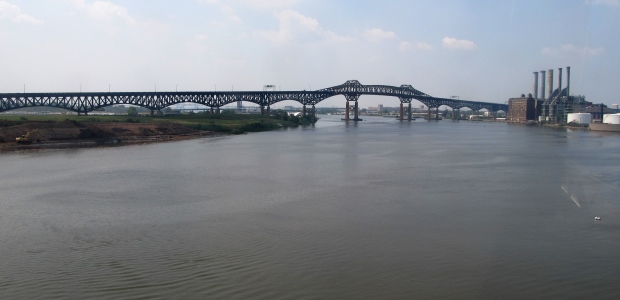
The EPA has proposed a plan to remove more than 4 million cubic yards of contaminated sediment from 8 miles of the Passaic River in New Jersey. This will mark the largest river cleanup in EPA history.
The company announced it is dividing its 19.1 percent share of Northern Dynasty Minerals Ltd. between the Alaska Community Foundation and the Bristol Bay Native Corporation Education Foundation, saying in the announcement that "we are ensuring that Alaskans will have a say in Pebble's future development and that any economic benefit supports Alaska's ability to attract investment that creates jobs."
The EPA announced it will be using Clean Water Act authority to assess permanently prohibiting or restricting mine waste disposal into Alaska’s Bristol Bay watershed. This decision puts on hold attempts to build the Pebble Mine, which would be North America’s largest open pit gold-copper mine.
New watershed improvement and protection projects in Tennessee will receive more than $600,000 in funding beginning in August.
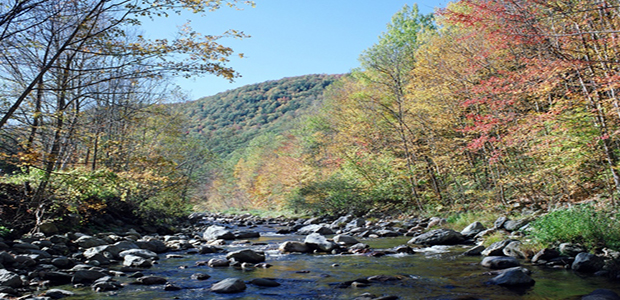
A recent study conducted by Harvard University urges the importance of land-use regulations to help preserve water quality, increase the amount of harvested wood, and protect wildlife habitats.
A new research study discovered that tropical trees can fix themselves by capturing nitrogen from the air after being logged.
The Interior Department has given a 20-year extension on protecting Oregon’s National Wild and Scenic Illinois River from mineral withdrawal.
During the 2013 River Heroes Awards hosted by River Network in St. Louis, 5 individuals were announced as winners for their dedication to improving water quality, environmental justice, education, and volunteering to protect the most important natural resource of all.
IBM will be using smart information exchange to accelerate water management innovation.
To help support clean waters and recreational boating, over $14 million in funding has been provided to several U.S. states under the Clean Vessel Act (CVA) grant program.