His executive order establishes longer-term water conservation measures, including permanent monthly water use reporting, new permanent water use standards in California communities, and bans on wasteful practices such as hosing off sidewalks, driveways, and other hardscapes.
The European Commission is taking Germany to the Court of Justice of the EU for failing to take stronger measures to combat water pollution caused by nitrates. Nitrates are essential for plants to grow and they are widely used as fertilizers.
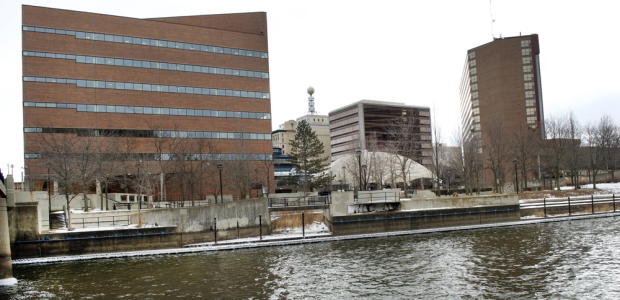
The city of Flint, Michigan, with a population of nearly 100,000, has filed a claim against the EPA, stating that the agency is responsible for the city's lead-contaminated water. Flint residents, 513 of whom made the claim, are demanding $220 million from the EPA.
More than 75 percent of tourism operators in Asia Pacific have high business risks related to water scarcity, according to data to be discussed at Inner Circle 2016, a global sustainability and responsible tourism forum to be hosted by EarthCheck on 21-22 April 2016 at Alila Seminyak, Bali.
The goal is to help the industry reduce environmental impacts and operating costs associated with water production, treatment, transportation, and delivery.
Well-documented results attest to the power of composted nutrient-rich biosolids and organics when properly applied as a soil amendment to conserve water in many ways.
- By Tom Phillips
- March 15, 2016
In recognition of Groundwater Awareness Week, the NGWA hopes that more people will take the time to realize just how vital groundwater is to us. Simply put, life as we know it would not be possible without groundwater.
"The plan underscores the importance of implementing the projects in the state water plan. Without those projects in place, Texas will face an 8.9 million acre-foot shortage of water in 2070 in a drought and economic losses of approximately $151 billion by 2070," said Peter Lake, a member of the Texas Water Development Board.
According to UNEP, a wealth of statistics and research point to strong links between the use of natural resources and conflict.
EPA reported it is expanding its initiative focused on reducing toxic air pollution by adding large storage tanks and hazardous waste facilities to its work to address public health threats.
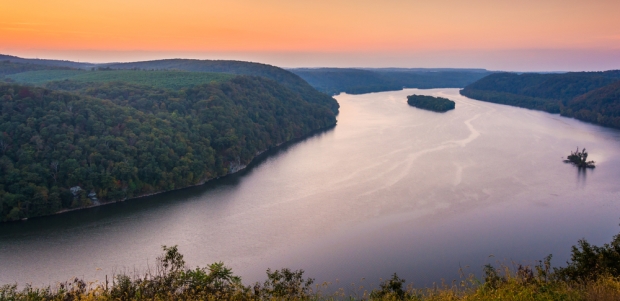
"Pennsylvania was not on track to meet nutrient reduction targets, and EPA made clear in 2015 that it would withhold funding due to that lack of progress. DEP worked with our sister agencies and wrote a plan that will put us on track," said DEP Secretary John Quigley.
Managing Directors Mark Bertler and James Simpson together bring more than 50 years of executive-level water industry operating and investment banking experience at water companies.
Save Our Water – California’s official conservation education program – has created a series of educational videos about water conservation to help keep kids informed on the current drought, and to also show them ways to conserve water themselves.
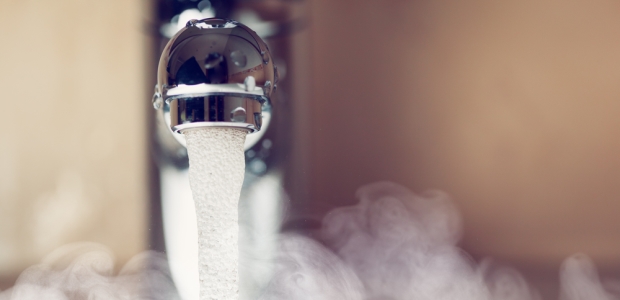
As part of this outreach, the Obama administration released a new report that lays out the water innovation strategy in greater detail and hosted a roundtable on water innovation Dec. 15.
The settlement consists of $1.2 billion in previously unobligated recovery funds. The city of New Orleans, Sewerage and Water Board of New Orleans, and the Governor's Office of Homeland Security and Emergency Preparedness worked with FEMA to develop a final estimate of eligible costs for repairs.
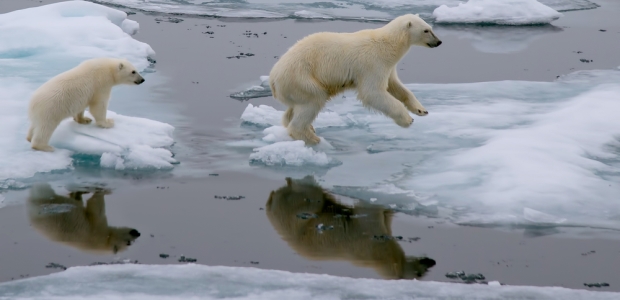
WHO estimates that climate change is already causing tens of thousands of deaths per year from shifting patterns of disease, extreme weather events, and from the degradation of air quality, food and water supplies, and sanitation.
It is expected that EO 13693 will be adopted by many private buildings and facilities as they seek ways to be greener and more sustainable.

It was recently reported that California is using 31 percent less water today than it did in 2013. When you think about it, this milestone is actually part of a number of amazing developments in reducing the state's water consumption.
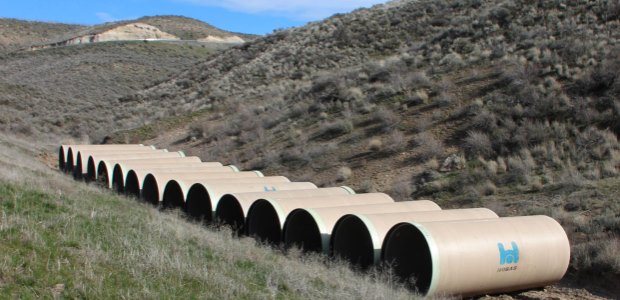
The Naches and its tributaries drain a portion of the eastern side of the Cascade Range, east of Mount Rainier and northeast of Mount Adams. In terms of discharge, the Naches River is the largest tributary of the Yakima River.

They are due by Sept. 25 for the prize, which has been bestowed by the Stockholm International Water Institute for the past 25 years for extraordinary water achievements.