A jury found two brothers guilty of fraud, violating the Clean Air Act, and illegally dumping asbestos in Poland, N.Y. Their father pleaded guilty before the trial.
New Jersey lawyer James Kosch suggests that a U.S. law similar to Europe's REACH law also could lower protection for trade secrets.
The researchers observed a dose-response association between increasing urine BPA level and declining male sexual function of 427 factory workers in China.
Reps. Markey and Moran charge EPA to test 100 chemicals over four years and determine their impact on humans.
Chemical manufacturers' group encourages members to voice their concerns on chemical site security and TSCA reform.
Five-day exercise will prevent access to Pittston City Riverfront Park on the Susquehanna River starting April 26.
The agency has partnered with the state of Kansas to help the owners of 77 residential and business properties move away from the Tar Creek Superfund site in Oklahoma.
Researchers are measuring antimony concentrations from water samples near the world's largest antimony mine in Xikuangshan, China.

Hach Co. will present thousands of dollars in equipment to municipal wastewater treatment plants in the United States that can explain creatively why they should receive the award.
SOCMA calls the efforts of Congress to reform the Toxics Substance Control Act overreaching; Safer Chemicals group wants more teeth in the measure.
Cell-All initiative would equip cell phones with sensors capable of detecting such chemicals as carbon monoxide and fire.

An environmental journalist makes a UNEP-sponsored field visit to Mariakani to see first hand how scarce fresh water is and how that affects the people of the village.
- By Marianne de Nazareth
- April 08, 2010
Agency asks the public to report all poisoning incidents to National Poison Center and product manufacturers.
A general contractor offers three tips to help homeowners regain control of their "hostage" situation.
University of Helsinki chemists think that exposure to silver can be reduced by chemically binding the nanoparticles to polymers.
The foundry coke manufacturer is being investigated for uncontrolled releases of ammonia and benezene, improper handling of coal tar sludge, and unpermitted discharges of its process and nonprocess wastewater.
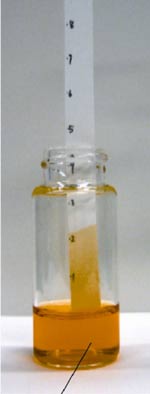
John Brennan and colleagues from McMaster University tested food and beverage samples intentionally contaminated with pesticides and got results in less than 5 minutes.