The Ohio EPA has awards three grants to purchase Cyanobacteria testing equipment for drinking water plants.

BYD Motors introduced "The Lancaster" this month at the 2014 American Public Transportation Association Expo in Houston. It's the world's largest battery-electric vehicle, according to the manufacturer.
A study by NOAA shows how oil and gas exploration can lead to high levels of ozone in the winter.
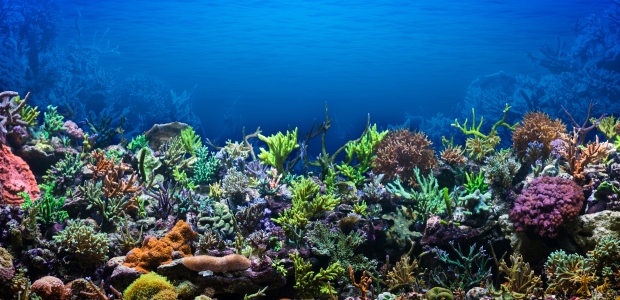
In a new study conducted by the U.S. Geological Survey, water temperatures in the Florida Keys are 2 degrees warmer than they were a few decades ago. The increase in temperature is causing the corals to turn white from symbiotic loss – a condition that could cause the corals to die.

The National Institute of Standards and Technology is converting one of its laboratories into a small office building to try out smart software technologies that will be designed to reduce energy use in commercial buildings.

Associate Professor Karl Vernes from the University of New England, Australia, is undertaking research into these mysterious water sources and the habits of the animals that use them in a bid to conserve the unique ecosystems of a region which is facing the strains of mass development and tourism.
The Federal Aviation Administration hopes to work with industry to produce a new unleaded fuel by 2018.
A USGS study shows that rivers across the United States are less acidic due to a decrease in atmospheric deposition, industrial waste, and mine drainage.

A team of researchers has developed a new lithium ion battery from sand, resulting in a battery three times more powerful than the standard.
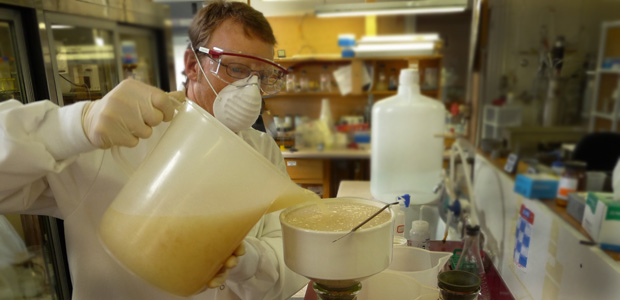
Enzyme-based nitrate analysis will be recommended for inclusion in the list of approved methods at 40 CFR Part 136 in the next round of updates.
- By Ellen R. Campbell, Anna-Marie Davidson
- May 05, 2014
The Luxembourg startup announced "a large customer in Europe" ordered the pilot plant to treat water from oil production and hydraulic fracturing.

A group of scientists at the National Center for Atmospheric Research (NCAR) will begin a project that explores the possibility of storm activity in the Pacific Ocean may contribute to global climate change.
Intrinsically safe and explosion-proof installations covered with one device.

Sites in six states were selected from among 25 proposals from 24 states, the Federal Aviation Administration announced Dec. 30.
OriginOil describes it as a high-speed, chemical-free process to clean up large quantities of water. The company will inaugurate its Permanent Technology Showcase during the Dec. 18 demonstration.

A recent study conducted by Harvard University urges the importance of land-use regulations to help preserve water quality, increase the amount of harvested wood, and protect wildlife habitats.
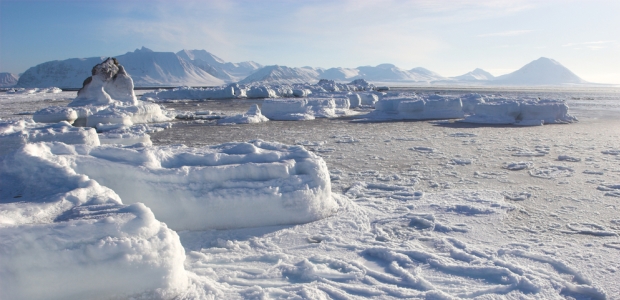
Non-climate scientists' study is seen as a convincing explanation for something that has puzzled other researchers for many years.
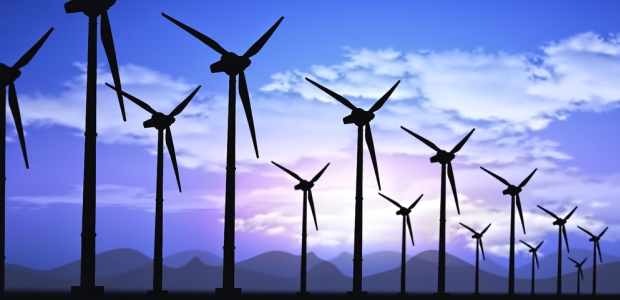
Officials from Clemson University, Duke Energy, SCE&G, and the U.S. Department of Energy participated in the dedication of the SCE&G Energy Innovation Center on Nov. 21.
The National Renewable Energy Laboratory (NREL) has released a new renewable energy data book that assesses U.S. energy statistics for 2012, including renewable electricity, worldwide renewable energy development, clean energy investments, and data on specific technologies.
A recent EPA report shows that blood mercury levels in women of childbearing age has decreased by 34 percent from a survey conducted in 1999-2000 to follow-up surveys conducted from 2001 to 2010. Additionally, the percentage of women of childbearing age with blood mercury levels above the level of concern decreased by 65 percent.