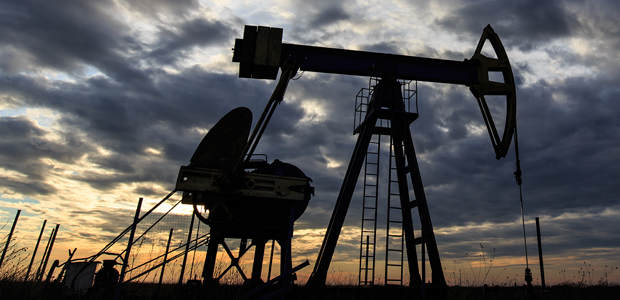
Linked to earthquakes, water contamination, and general pollution, fracking becomes more controversial by the day. Meanwhile, 13,000 new wells are being drilled every year. There have been over a thousand documented cases of water contamination next to areas of gas drilling—cases of sensory, respiratory, cardiovascular and neurological damage. From the water we drink to the ground beneath our feet, is it too late to ask, “What gives?”
- By Julia Troute
- July 23, 2015
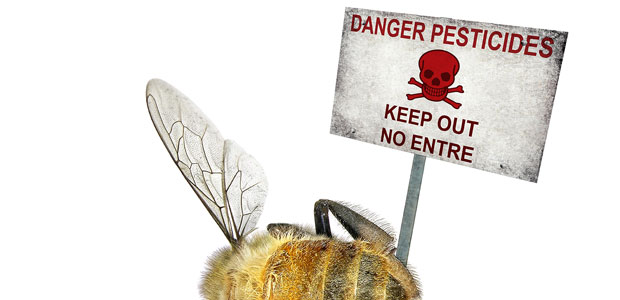
Two new studies are highlighting the decreasing numbers of food pollinators and the increasing levels of atmospheric carbon dioxide.
- By Julia Troute
- July 17, 2015
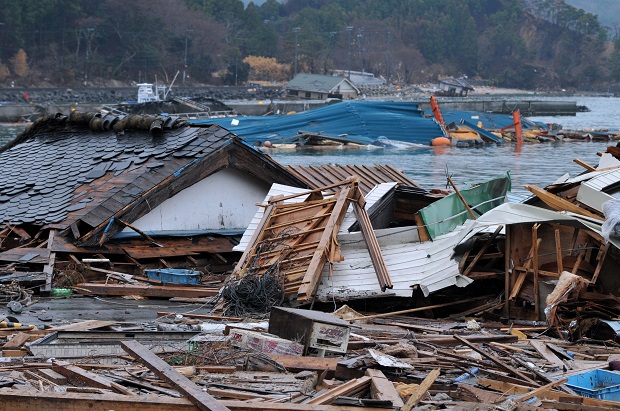
North of the San Andreas Fault is the lesser known and far more insidious subduction zone running 750 miles from Vancouver to Northern California.
- By Julia Troute
- July 16, 2015
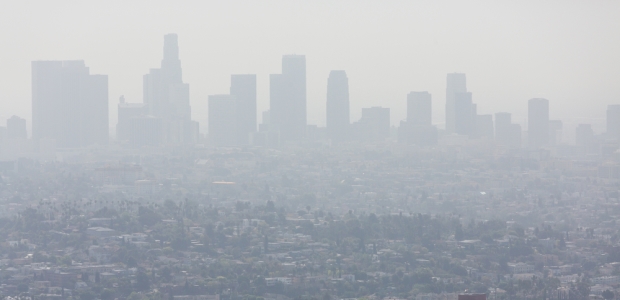
With the EPA proposing to lower the primary ozone standard from 75 ppb to 70 or 65 ppb, researchers at the University of Colorado Boulder and the NOAA have created a commentary on how the new standard could make research more difficult for air quality managers at both local and state levels.
Exposure to the pollution caused by such things as car exhaust and coal-fired power plants may be associated with an increased risk of autism spectrum disorder, a University of Pittsburgh study has found.
By agreement with the Capital Region of Denmark, the system will also act as a remediation system, preventing polluted water running into the great groundwater reservoirs, from which the capital collects its drinking water.
The researchers coated the mesh with a fine layer of hydrogen and carbon, putting the elements together in such a way to attract water and repel oil.
Despite progress, Southern California's air remains home to some of the worst air in the United States, the American Lung Association said Tuesday in its annual State of the Air report.
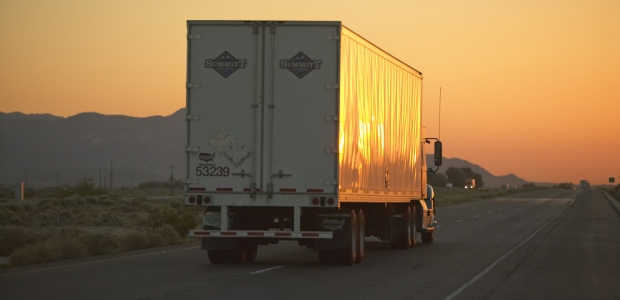
EPA and the DOT agency will finalize a new set of longer-term medium- and heavy-duty truck fuel efficiency standards in 2016.

In the 21st century, the big challenge facing the world is climate change.
- By Sandra Barrera
- April 22, 2015
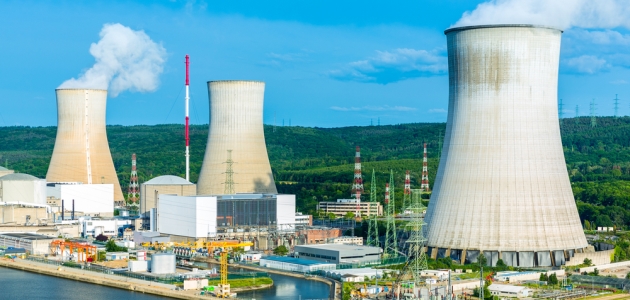
After taking seawater samples from the shoreline of Ucluelet, British Columbia, scientists from the Woods Hole Oceanographic Institution (WHOI) discovered small amounts of radioactivity from the 2011 Fukushima nuclear power plant accident.
A research team led by a professor from the University of New Hampshire has identified a new source of methane for gas hydrates in the Arctic Ocean. A stable reservoir for abiotic methane was discovered and could impact global climate change.
Four companies won top honors in Environmental Protection's annual contest to showcase the industry's best new products.
Personnel from the University of Wyoming-headquartered Wyoming Migration Initiative and the Wyoming Game and Fish Department plan to live tweet throughout approximately three weeks of research activity and write Facebook posts about the animal captures, so the public can follow along.

According to a new report by the NRDC, the anticipated impacts are more widespread than previously believed; major threats seen to oyster, scallop, and clam industries in CA, CT, FL, LA, MA, ME, MD, NC, NJ, NY, OR, RI, TX, VA, and WA.

The proposed budget for 2016 reflects robust Administration support for science-based decision-making in managing natural resources.
- By USGS Staff
- February 03, 2015
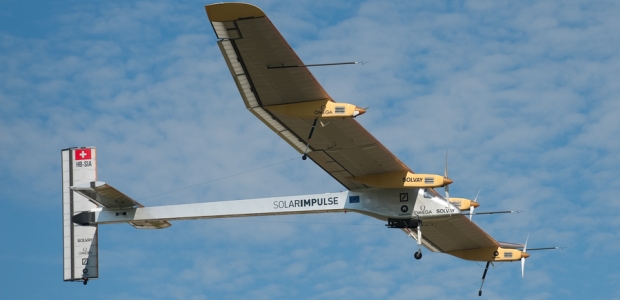
ABB and Solar Impulse have formed an alliance ahead of the plane’s historic round-the-world journey, championing the role of innovation and technology in reducing resource consumption.
Going into the New Year, the USGS reflects on the natural hazards of 2014 as a reminder of the dangers we face and the need for preparedness to save lives and property.
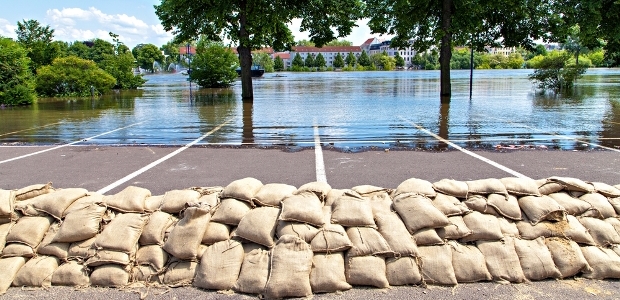
Disasters such as floods and storms have led to several high-profile disruptions of Europe's transport network over the last few years. As the climate changes, the transport system urgently needs to adapt, according to a new assessment.
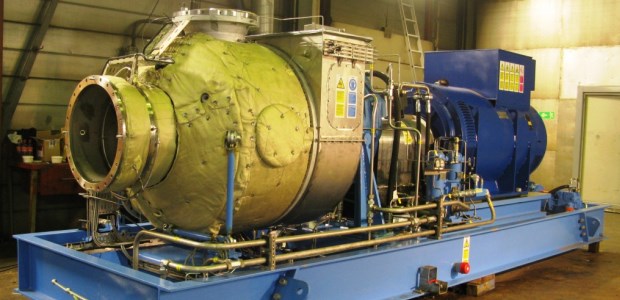
"Most industries that currently flare their waste gases will soon be able to use these waste gases productively while also significantly reducing their emissions of waste gases into the atmosphere. This is great news for our world's air quality and great news for the financial bottom lines of the industries that currently emit these greenhouse gases into the atmosphere," said Alain Castro, CEO of Ener-Core.