Forty states will share $78.9 million to assess, get low-interest funding for, and clean up contaminated properties.
Site owner has agreed to pay for past and future cleanup of soil and groundwater contaminated with trichloroethylene and other hazardous chemicals.
The companies are collaborating on a fixed facility in New Jersey that will vitrify hexavalent chromium and other hazardous wastes.
Last year's 24th annual International Coastal Cleanup saw 500,000 volunteers around the world remove debris from oceans, lakes, and rivers.
Twelve entities in 10 states are receiving up to $200,000 each to train people in the cleanup of brownfields while also providing training in green building design, energy efficiency, weatherization, solar installation, green construction, and native plant revegetation.
Honeywell International Inc. also will pay for all of the United States’ response costs relating to the tar plant area, including oversight costs.
New roadmap guides EPA in providing more accountability, transparency, and progress in contaminated site cleanup.
EPA's Office of Solid Waste and Emergency Response wants to know what you think about its role in land reuse.
The Texas-based pipeline company failed to have spill response plans at eight of its facilities and will pay a $450,000 civil penalty and $768,000 for a supplemental environmental project.
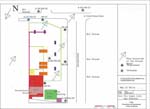
Brazilian-based Grön Environmental uses S-200 to successfully complete a Rio de Janeiro gas station cleanup to the applicable BTEX standards.
- By James Lynn, Thomas Nail, Fabio Leandor
- March 18, 2010
Half of the funds will be used to conduct petroleum assessment activities and the other half will be spent on hazardous substances assessments.
The agency used stimulus funds to speed cleanup at 51 sites in FY2009 and oversaw more than 368 emergency response and removal actions.
Florida and Illinois each have two hazardous waste sites that have been added to the National Priorities List.
The public is invited to comment on the proposed settlement, which will fund remaining cleanup at the Anderson-Calhoun Mine and Mill site.
EPA fined the Stigler, Okla., marina for violating Spill Prevention Control and Countermeasure rules at its bulk storage facility.