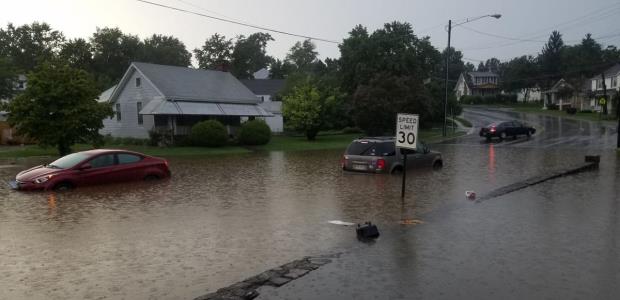
It calls for designating Virginia's secretary of natural resources as the chief resilience officer of the Commonwealth, a review of the vulnerability of Commonwealth-owned buildings, development of a Virginia coastal resilience master plan, a review of pre-disaster mitigation programs, and a review of compliance with flood protection and dam safety laws.
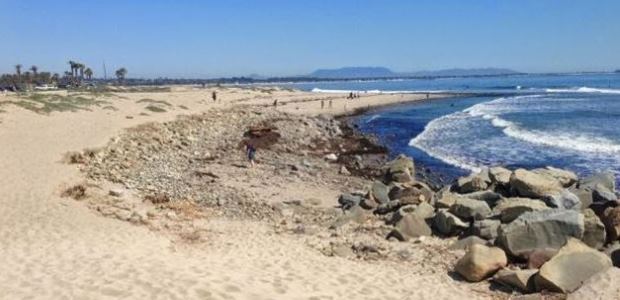
By implementing natural infrastructure through living shoreline design, we can develop solutions that provide a multitude of benefits that include performing against the rising sea levels, managing flood risk, and providing ecological benefits, all at the same time.

"There is nothing safe about this proposal. It turns its back on decades of progress in cleaning up cars and trucks, ignores available and cost-effective clean vehicle technology, wastes gasoline, and pumps more climate-changing gases into the atmosphere," said Mary D. Nichols, chair of the California Air Resources Board.
"New York City leads from the front when it comes to the fight against climate change," said NYC Mayor Bill de Blasio. "We're taking a stand for generations to come with our goal to double our pension investments in job-creating climate solutions. I know that other cities will look to our example, and I implore them to join us."
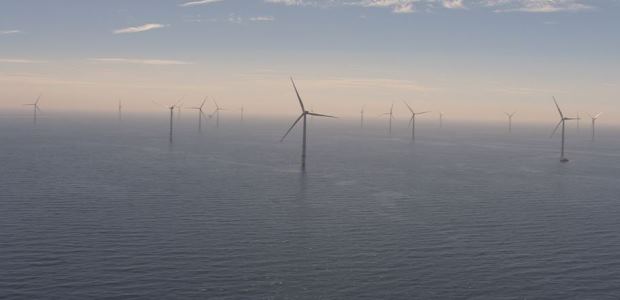
Walney Extension's 87 turbines have a total capacity of 659 MW, sufficient to power almost 600,000 UK homes.

The two bills will establish an indoor per person water use goal of 55 gallons per day until 2025, 52.5 gallons from 2025 to 2030, and 50 gallons beginning in 2030, and they will create incentives for water suppliers to recycle water.
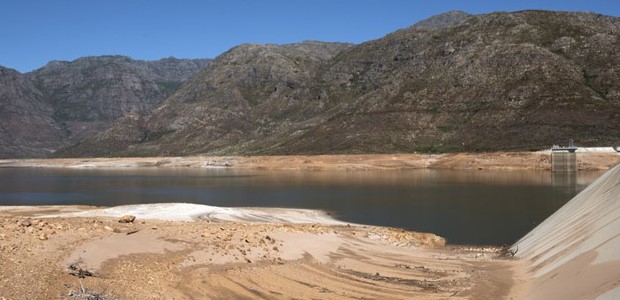
We are always going to have droughts. The only way we can address droughts and help prevent this drought domino and effect reduce mental stress is to use water much more efficiently.
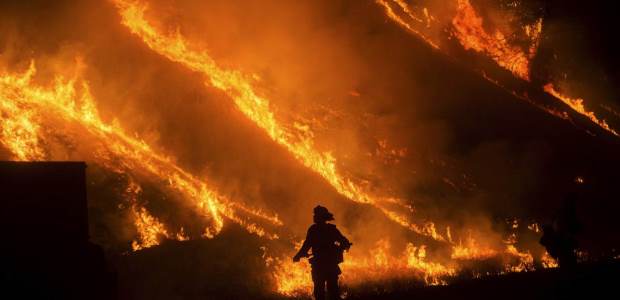
The order will double the land area actively managed through vegetation thinning, controlled fires, and reforestation from 250,000 acres to 500,000 acres.
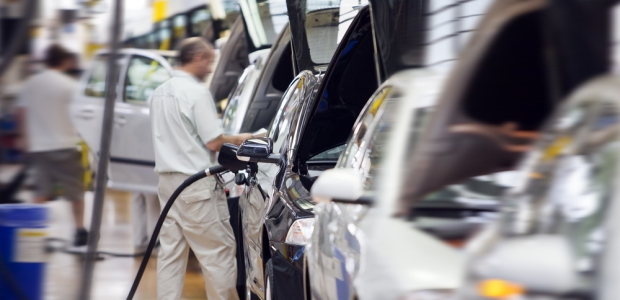
He said EPA is beginning a joint process with the National Highway Traffic Safety Administration to develop a notice and comment rulemaking to set more appropriate GHG emissions standards and Corporate Average Fuel Economy (CAFE) standards. The California Air Resources Board's chair, Mary D. Nichols, issued a statement condemning Pruitt's decision.
The study will analyze storm and ice-jam flood mitigation needs in high-risk areas, including Schenectady, N.Y., which experienced ice-jam flooding in February 2018. The study will include recommendations to mitigate future hazards on the Mohawk River and other waterbodies across New York state.
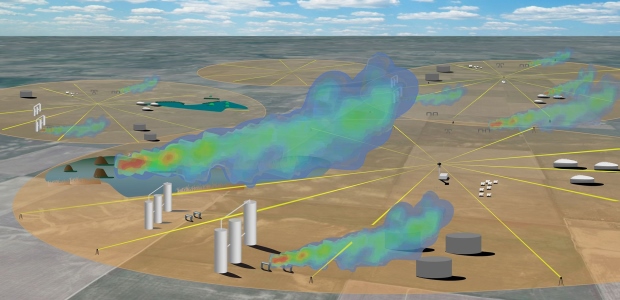
As described in their paper, the researchers tested this method successfully on a Colorado well field containing placed methane leak sources.
The governor and legislative leaders are partnering on solutions this year that will make California more resilient against the impacts of natural disasters and climate change.
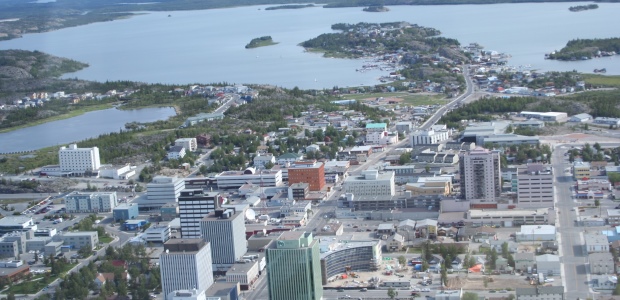
The investments will make a positive difference in communities, such as cleaner air and water, reduced greenhouse gas emissions, sustainable water management, better transportation, and energy security and reduced reliance on diesel.
Up to four CAAP stakeholder advisory meetings per year were called for as part of the Clean Air Action Plan Update approved by the Long Beach and Los Angeles ports' boards of harbor commissioners on Nov. 2, 2017; this will be the first advisory meeting.

The Environment Agency also has launched its Flood Action Campaign, which targets younger people through social media and online advertising to encourage them to check their flood risk, sign up for free warnings, and be prepared to take action when flooding hits.
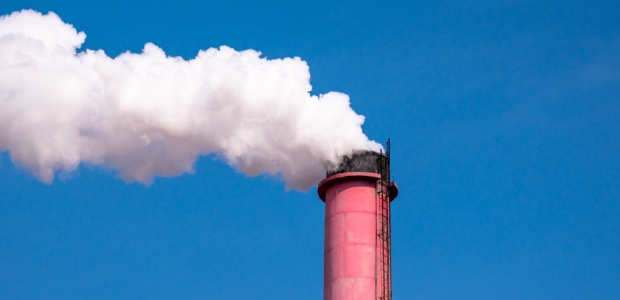
It is the most significant formal agreement on joint action about environment and health issues in more than 15 years, according to the partner organizations.
"This program will help meet the trucking industry's growing demand for safe, fuel-efficient drivers while educating existing operators on improved driving techniques. The real savings come in the form of reduced greenhouse gas emissions, helping meet Canada's domestic and international climate goals," said Jim Carr, Canada's Minister of Natural Resources.

The preorder of Tesla vehicles advances UPS's commitment to reduce its absolute greenhouse gas emissions from global ground operations 12 percent by 2025, the company said, adding that, by 2020, it plans that one in four new vehicles purchased annually will be an alternative fuel or advanced technology vehicle.

The plan allocates $398 million to incentivize clean heavy-duty trucks, buses, and freight projects, including $190 million for advanced-technology freight equipment such as yard trucks, forklifts, and cranes. Most of the money comes from California's cap-and-trade auction proceeds.
"Without rapid cuts in CO2 and other greenhouse gas emissions, we will be heading for dangerous temperature increases by the end of this century, well above the target set by the Paris climate change agreement," said WMO Secretary-General Petteri Taalas. "Future generations will inherit a much more inhospitable planet.