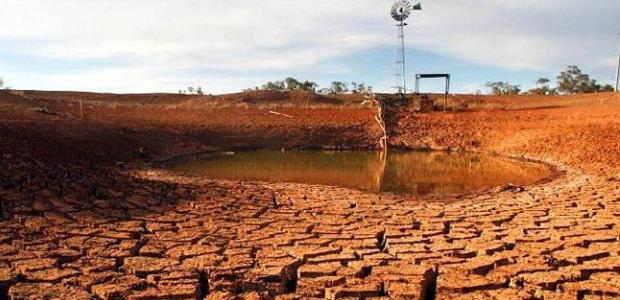
The connection between human activities and increased severity and likelihood of droughts, storms, and heavy rain events was not as clear, according to the agency.
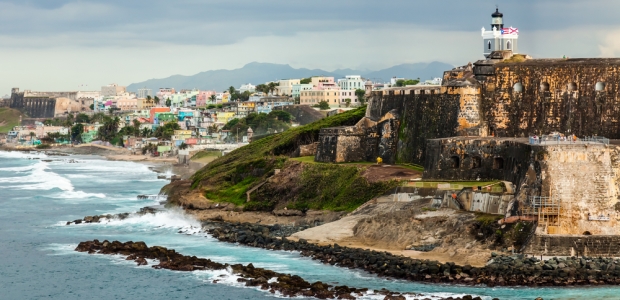
In a Capitol Hill meeting yesterday, the Puerto Rico climate crisis and how it may affect the U.S. was discussed.
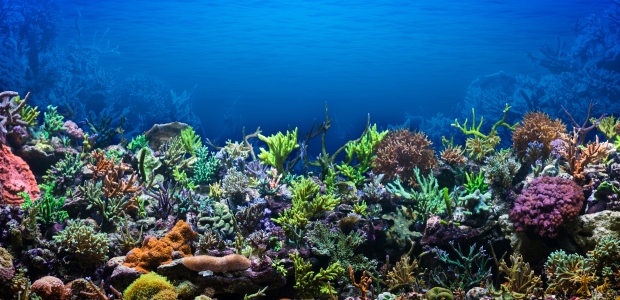
In a new study conducted by the U.S. Geological Survey, water temperatures in the Florida Keys are 2 degrees warmer than they were a few decades ago. The increase in temperature is causing the corals to turn white from symbiotic loss – a condition that could cause the corals to die.
The agency found that between 1996 and 2011, 64,975 square miles in coastal regions -- an area larger than the state of Wisconsin -- experienced changes in land cover.
The CASCADE system has been pilot tested in the Rome and Milan airports and will save them $1.1 million per year, the European Commission announced July 28.

Each and every day, waves move sand back and forth, onto and away from beaches. The thin ribbon of sandy barrier islands and beaches along America’s coastline shifts constantly, especially during hurricanes, nor’easters, and other extreme storms.
- By Rob Thieler, Jordan S. Read, Hilary Stockdon
- July 21, 2014

In order to help combat the high amount of pollution and smog that China is currently facing, the Chinese government is planning to remove six million high-emission vehicles from the road.
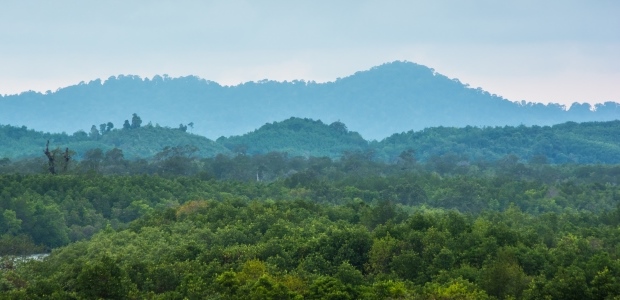
According to a new report, nearly 20 countries around the world have reduced tropical deforestation and emissions as a result of programs and policies.
The European Union's greenhouse gas emissions continued to fall in 2012, as a 1.3 percent decrease cut emissions to 19.2 percent below 1990 levels, according to official data from the European Environment Agency (EEA). This puts the EU within reach of its 20 percent reduction target, with eight years to go until the 2020 deadline.

According to new research, salamanders may be shrinking in size due to the environmental changes caused by rapid climate change.

Researchers from McGill University have found that the salt in the ocean’s surface has been steadily reducing since the 1950’s, which prevents the warmer waters underneath from mixing and cooling back down as it should.
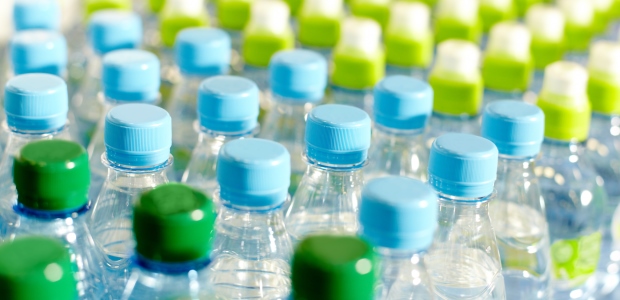
Six categories of plastic packaging have been found to reduce energy use and emissions in a new study.
The oil and gas industry's trade association claims the new rule will hike costs and increase CO2 emissions at U.S. refineries.

Based in Quebec, the company is the first Canadian manufacturer to join the EPA program that encourages food retailers to reduce refrigerant emissions.
The company announced the signing with the British government moves the Peterhead Carbon Capture and Storage project to the next phase of design.
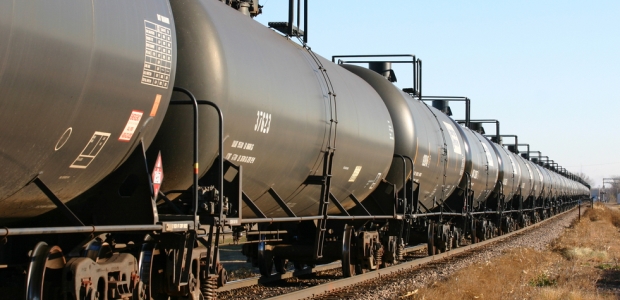
Although accidents are rare, transporting crude oil and natural gas poses major risks for human habitation areas and water bodies, regardless of how they are moved.
- By Douglas C. Toland
- February 24, 2014
After a water emergency was declared for California less than two weeks ago, ranchers voice their concern over the impacts the drought will have on their livestock and crops if the water shortage continues for much longer.
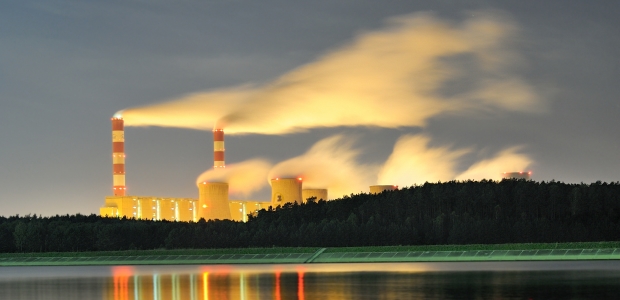
The Pacific Coast Action Plan could be an effective blueprint for locally driven climate and energy policy. Will it be implemented in 2014?
- By Hillary Hoffmann, Andrew Minikowski
- January 27, 2014
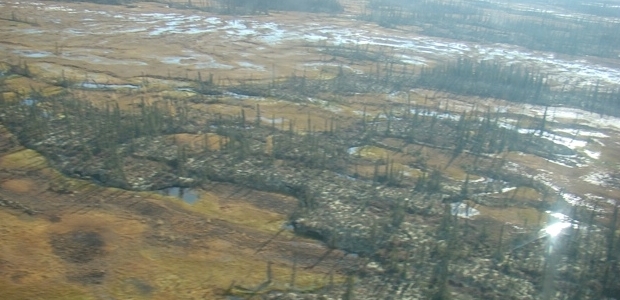
Imagine being kept below freezing temperatures for thousands of years… to be trapped with no way to escape other than to thaw out over time. Permafrost, or permanently frozen ground, forms during colder climates, when average annual temperatures remain below freezing. The soils accumulate ice and plant material from plants living at the Earth’s surface.
- By Ethan Alpern
- January 14, 2014
The nine states currently participating in the Regional Greenhouse Gas Initiative (RGGI) have announced that the RGGI cap for this year will be 91 million tons, which will be a 45 percent reduction.