Employees need a leader who integrates sustainable solutions into the company's mindset, focus, and strategy and every-day culture with consistent, coherent actions. Staff members want to work for a leader with a personal commitment to making the company eco-friendly.
Mutual Housing California receives nearly half a million from NeighborWorks America for building affordable, energy-efficient housing.
Mutual Housing at Spring Lake receives first LEED Home Platinum for affordable housing in Yolo County; also marks the first LEED certification for multifamily housing in Woodland.

The new SmartMarket report shows global green building continues to double every three years.
Mutual Housing California recently received a loan of nearly $1.97 million from the California State Department of Housing and Community Development to renovate Owendale Mutual Housing Community.
"As food rots in a landfill, it produces methane, a powerful greenhouse gas. At the same time, one in six Americans lack access to the nutrition they need to live an active, healthy life," according to EPA.
The Clean Energy Fund will advance solar, wind, energy efficiency, and other clean tech industries to spur economic development and reduce harmful emissions. This action will result in lower energy costs for consumers and businesses beginning this year.
Sacramento-based nonprofit, Mutual Housing California, project manager Vanessa Guerra recently received a Latina “Rising Star” award from the Hispanic Chamber of Commerce for her work on the Department of Energy’s first zero-energy ready home for a rental development certified in the nation.
A Sacramento property recently started a $7.3 million green renovation provided by Mutual HoA Sacramento property recently started a $7.3 million green renovation provided by Mutual Housing California.using California.

The United Nations Conference on Climate Change, #COP21, got under way Nov. 30 in Paris with a host of world leaders participating and a huge security force deployed. Indian Prime Minister Narendra Modi announced a global solar energy alliance that will be headquartered in India.
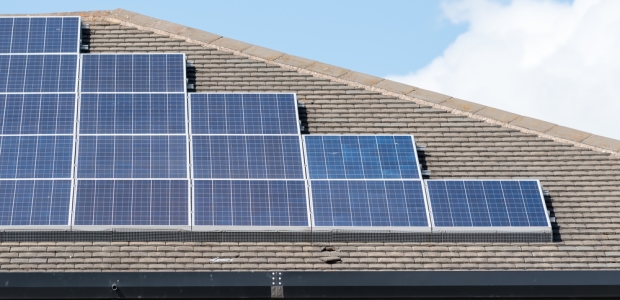
"Builders and remodelers have long recognized that green is the future of home building," NAHB Chairman Tom Woods said. "Since we first began partnering on this study with Dodge Data & Analytics in 2006, we've seen that commitment grow."
Sacramento, Calif.-based Mutual Housing California has been selected by the U.S. Department of Energy (DOE) for a 2015 Housing Innovations Award.
Sacramento-based nonprofit Mutual Housing California recently received a $442,700 grant from NeighborWorks America to underwrite the organization’s activities and to continue developing rental housing in the Sacramento region.
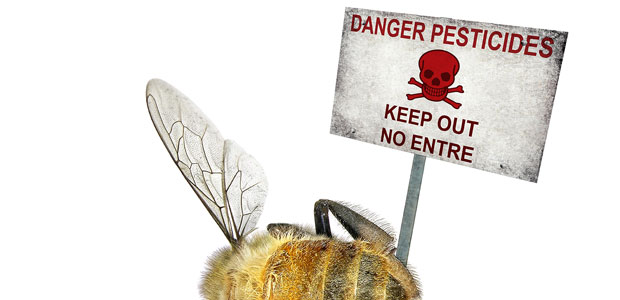
Two new studies are highlighting the decreasing numbers of food pollinators and the increasing levels of atmospheric carbon dioxide.
- By Julia Troute
- July 17, 2015
Mutual Housing California just received certification from the U.S. Department of Energy (DOE) of the first multifamily Zero Energy Ready Home for a rental development in the nation.
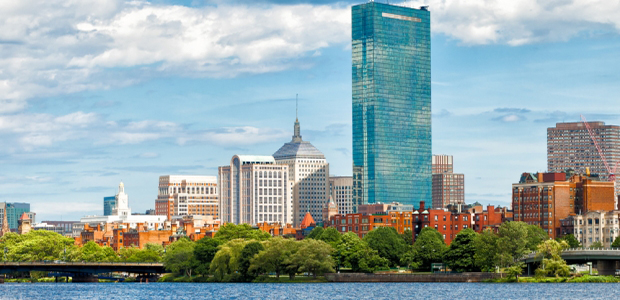
A new report by the ACEEE places Boston as the most energy efficient city, with New York City, Washington DC, San Francisco, and Seattle closing up the top five efficient cities.
Approximately $19 billion worth of electricity, equal to the output of 50 large power plants, is devoured annually by U.S. household electronics, appliances, and other equipment when consumers are not actively using them.
Three Mutual Housing California communities recently re-opened after a $6.3 million rehab that emphasized water and energy efficiency.
The Kutai Kartanegara district in Indonesia will be the first smart city model in Indonesia.
"Utility companies will do whatever it takes, including distribution of efficiency kits and educational tools to help lower energy and water use. These programs help utilities save money on infrastructure and meet government regulations, as well as provide cost saving benefits to consumers," said Todd Recknagel, CEO of AM Conservation Group.